 ×
×
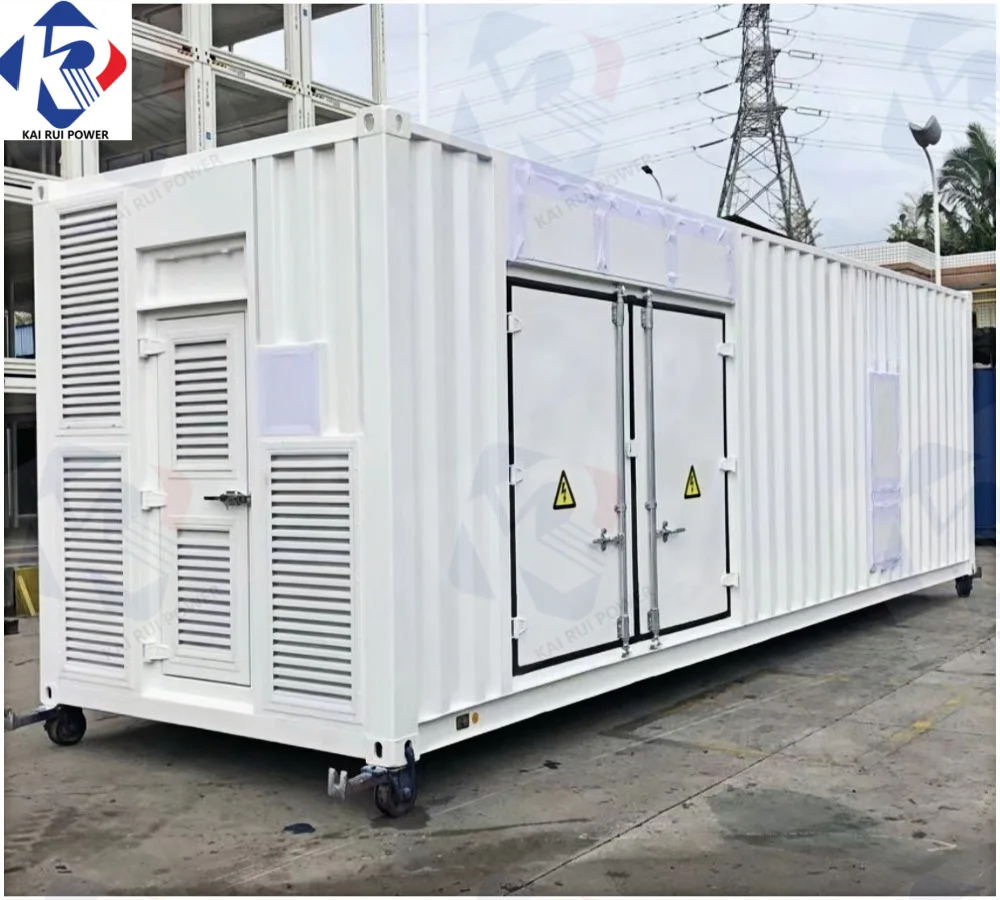
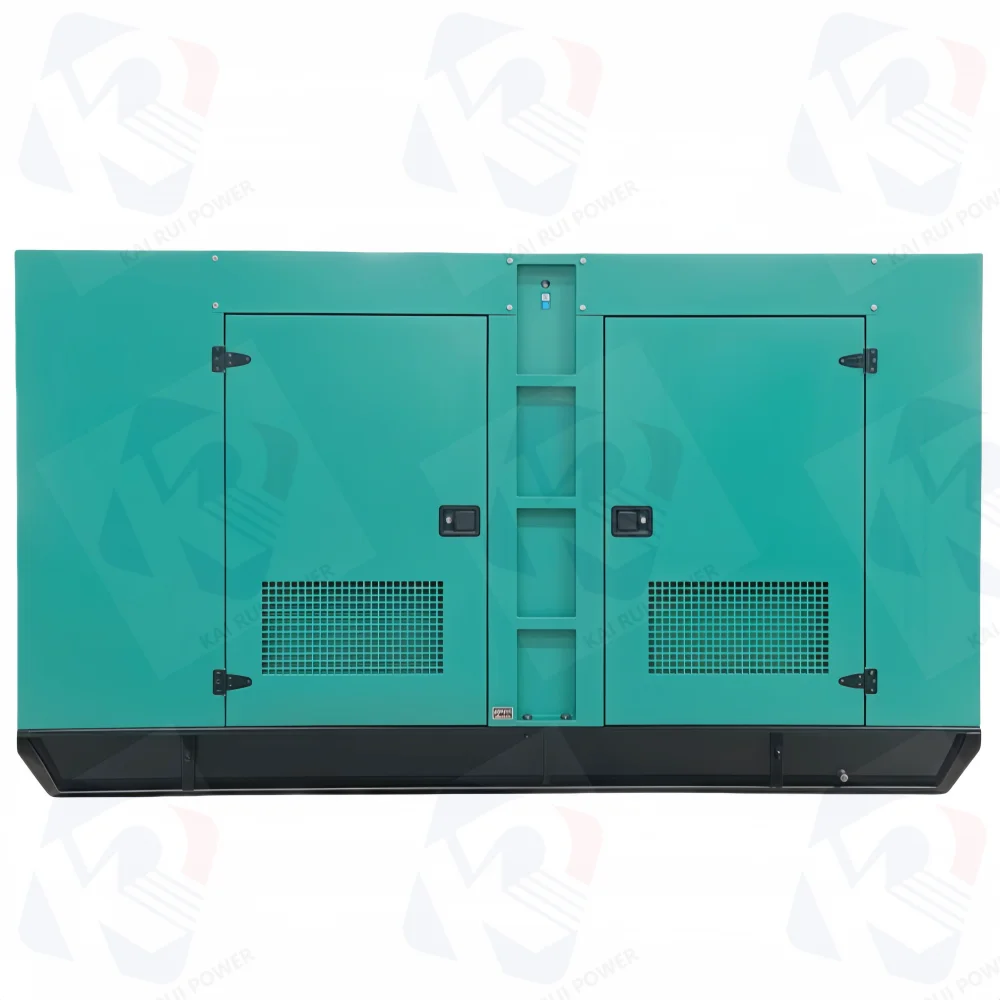
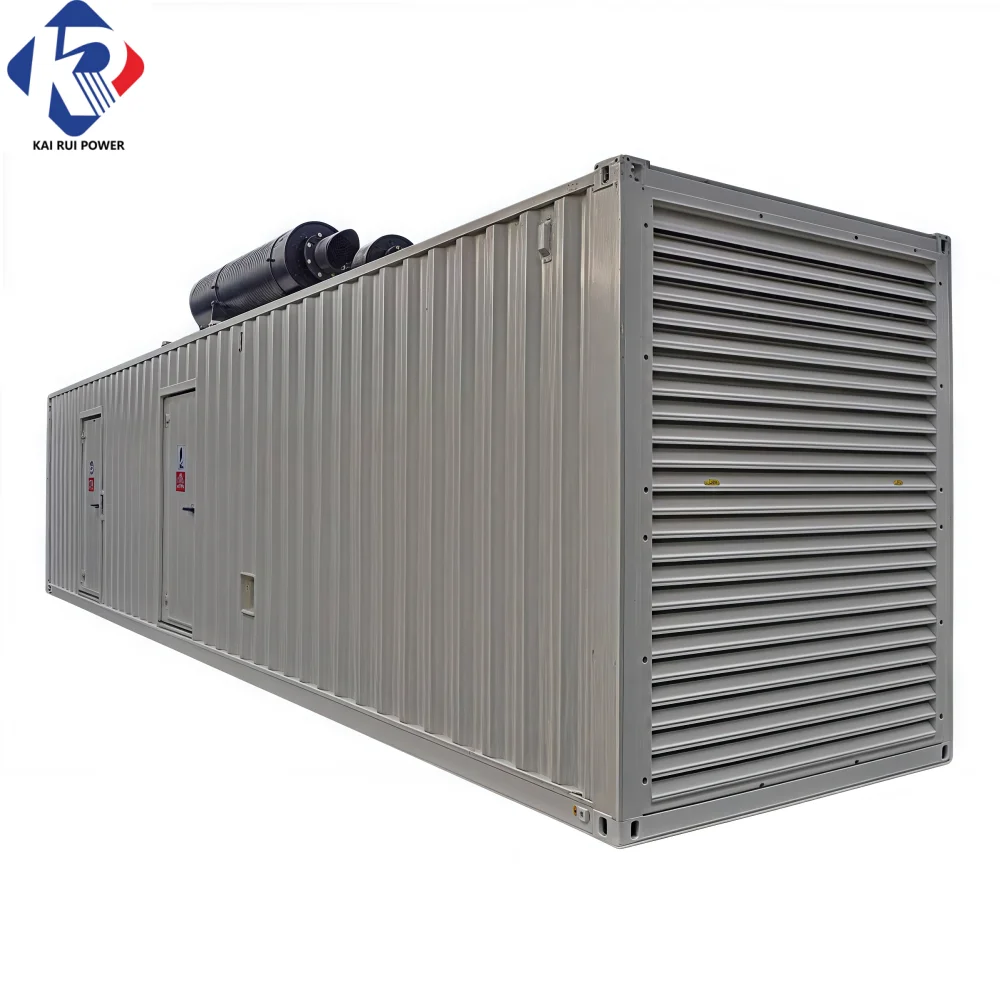
More people moving into cities means data centers are finding their way into crowded neighborhoods these days. The limited space plus being close to office towers and apartment complexes makes noise problems worse than ever before. Many colocation sites are turning to quiet diesel generators now. These aren't just backup systems for when the power goes out. They actually help keep things quieter in those multi-tenant buildings where other businesses operate alongside tech infrastructure. With cloud computing growing fast and companies needing faster connections, data centers are getting built much closer to end users at edge locations. What used to be nice-to-have features for sound control in power equipment are becoming must-haves across the industry.
Local regulations in business areas usually set noise restrictions between around 55 to 75 decibels A weighted, which means regular industrial generators that typically hit over 85 dBA just won't work. The solution comes from silent diesel generators that incorporate special sound reduction tech. These units have thick soundproof covers, exhaust systems with built-in mufflers, and mounts that absorb vibrations, bringing down the noise to about 65 dBA when measured seven meters away. At this volume level, they comply with the ISO 8528 requirements for backup power equipment. Plus, it helps keep servers properly calibrated without interference and saves businesses from getting fined by authorities for violating noise ordinances.
Silent diesel generators tackle both the problem of emissions and noise at the same time. These systems come equipped with things like diesel particulate filters (DPFs) and selective catalytic reduction (SCR) technology, plus special acoustic enclosures that cut down on pollution while keeping noise levels low. This setup meets those tough EPA Tier 4 standards as well as EU Stage V requirements, not to mention all the local noise regulations too. Take a look at what's happening in places like New York City and London where businesses have switched to these upgraded models. They're seeing around 30% fewer issues with compliance since making the switch. And when companies plan expansions in areas with strict regulations, getting permits goes much faster thanks to this proactive approach to managing sound output from their equipment.
Key Implementation Notes
Silent diesel generators are essential for maintaining operations without interruption thanks to their redundant design and ability to run in parallel, which gets rid of those pesky single points where everything could fail at once. Systems that meet certification standards typically hit around 99.999% uptime, which means they're offline for less than five minutes each year. Think about this: when power goes out unexpectedly, companies lose about $740,000 on average per incident according to research from the Ponemon Institute back in 2023. That's why having backup plans isn't just good practice anymore, it's basically table stakes these days. With automatic checks happening every week plus remote monitoring capabilities, problems with the main power grid get spotted fast enough so technicians can jump in before anything serious happens, keeping vital systems running smoothly even if there's some kind of prolonged blackout situation going on somewhere nearby.
Meeting compliance standards isn't just about paperwork it actually proves things work safely and perform as expected. The NFPA 110 standard requires transfer times under ten seconds and thorough checks on how much weight equipment can handle. Meanwhile, ISO 8528-5 looks at how systems respond when loads suddenly change. Around the world, the UL 2200 certification makes sure equipment stays safe even in tight, potentially explosive environments. For emissions control, both EPA Tier 4 and EU Stage V regulations limit nitrogen oxide output to no more than 0.4 grams per kilowatt hour. All these different requirements mean that quiet diesel generators can be used without problems in most countries, meeting local laws while keeping operations running smoothly day after day.
Getting these systems properly connected to essential power infrastructure means there's no weak spot when things switch over. If the main power grid starts acting up, those automatic transfer switches we talk about so much will catch any weird voltage changes almost instantly and kick the backup generators into action. The whole process of moving all that electrical load usually takes less than ten seconds from start to finish. That kind of quick response matches right up with how long most UPS batteries can hold out on their own, and it meets those strict NFPA 110 Level 1 standards for emergency power systems too. So basically, mission-critical IT equipment keeps running without missing a beat even during power issues.
Today's automatic transfer switch systems synchronize phases right before transferring loads, which stops those harmful inrush currents that can blow breakers and cause equipment damage. With remote monitoring dashboards now standard, engineers can run simulated power outages from their desks instead of having to show up at the facility. This matters a lot for city operations where noise limits are tight (usually around 55 to 75 decibels A-weighted). The ability to test remotely means those required weekly generator runs mandated by ISO 8528-8 standards won't result in complaints or code violations from neighbors who might otherwise get upset about unexpected loud noises during normal business hours.
Getting the generator output to match the UPS system frequency within about half a hertz helps avoid those nasty cascading failures that nobody wants. For Tier IV setups, these predictive load shedding algorithms actually talk to smart grid controllers, so they can cut power to non essential stuff when there's been a long outage going on. The result? Fuel savings around 18 percent according to some research from Uptime Institute back in 2023. Plus, generators run longer on their own, and technicians spend way less time fixing things during grid problems – somewhere around two thirds less downtime overall.
| Integration Factor | Performance Benchmark | Compliance Standard |
|---|---|---|
| Transfer Time | ¤10 seconds | NFPA 110 Level 1 |
| Frequency Synchronization | ±0.5 Hz variance | IEEE 1547-2018 |
| Noise Emission During Testing | ¤65 dBA at 7 meters | ISO 3744:2010 |
| Remote Monitoring Capabilities | Real-time diagnostics | ANSI/BICSI 002-2019 |
Having control over fuel supplies stands as fundamental to maintaining operational resilience during outages. Silent diesel generators can actually run for several days instead of just a few minutes when proper fuel management strategies are in place. Most facilities follow guidelines suggesting at least two to three days worth of fuel stored on site, matching what NFPA 110 recommends as baseline reserves. What really matters though are those supporting elements: multiple storage tanks with spill containment areas, diesel treated with biocides to stop algae buildup, automatic systems that keep fuel clean, and smart monitoring tools that predict usage based on actual data center demand patterns. These components work together to ensure reliable power availability when it counts most.
Smart controllers adjust fuel injection in real time based on electrical demand–reducing consumption by 15–22% during partial loads. This dynamic management coordinates with UPS systems to:
The first step is always to get clear numbers on both peak and ongoing kW requirements, then add somewhere between 20% and 30% extra capacity to account for expansion down the road. For facilities where downtime isn't an option at all, scalability becomes absolutely essential. That means looking at systems that can run in parallel configurations and work smoothly with Automatic Transfer Switches so they switch over almost instantly when needed. Don't skimp on certifications either. Units must meet NFPA 110 Level 1 standards if we want guaranteed continuous operation during outages. And let's not forget about remote monitoring features which make all the difference in building system resilience. These tools allow technicians to check system health in real time and schedule maintenance before problems even occur, saving money and headaches alike.
Uninterruptible Power Supply systems do offer some backup power during outages, typically lasting between five to fifteen minutes at most. That's where silent diesel generators come into play, filling the gap quite effectively with their ability to run for days if needed. Getting these systems right requires careful planning around fuel reserves usually somewhere between forty-eight to seventy-two hours worth. The efficiency improvements when loads change can range from about fifteen percent up to twenty-five percent too. And let's not forget about noise control requirements keeping sound levels below seventy-five decibels. Considering how much money businesses lose during power interruptions averaging around seven hundred forty thousand dollars according to Ponemon Institute research from last year, having multiple layers of protection aligned with industry standards isn't merely good practice anymore. It has become absolutely necessary for operations continuity.
Silent diesel generators are crucial for data centers due to their ability to provide reliable power backup, comply with strict noise regulations, and integrate seamlessly into urban environments without causing disturbances.
Noise regulations for data centers in urban areas typically range from 55 to 75 dBA, which is why silent diesel generators with advanced noise reduction technology are necessary to comply with these standards.
Silent diesel generators contribute to environmental compliance by using technologies like diesel particulate filters and selective catalytic reduction, which help meet stringent EPA Tier 4 and EU Stage V emissions standards while minimizing noise pollution.
 Hot News
2025-12-31
2025-06-18
2025-02-17
2025-02-17
2025-02-17
2025-12-12
Foshan Kairui Power (Est. 2003) manufactures super silent/standard diesel generators (10kW-3000kW) with 220V/50Hz, 110V/60Hz specs. Partnered with Cummins, Perkins. Custom solutions: water-cooled, triphase, open frame. Used in industrial, commercial, medical sectors. ISO-certified: safe, efficient, eco-friendly. Leading generator set supplier with installation services for global backup power & environmental engineering.

 EN
EN