EN
EN



The Critical Role of Industrial Diesel Generators in Data Centers
Ensuring 24/7 Uptime for Mission-Critical Operations
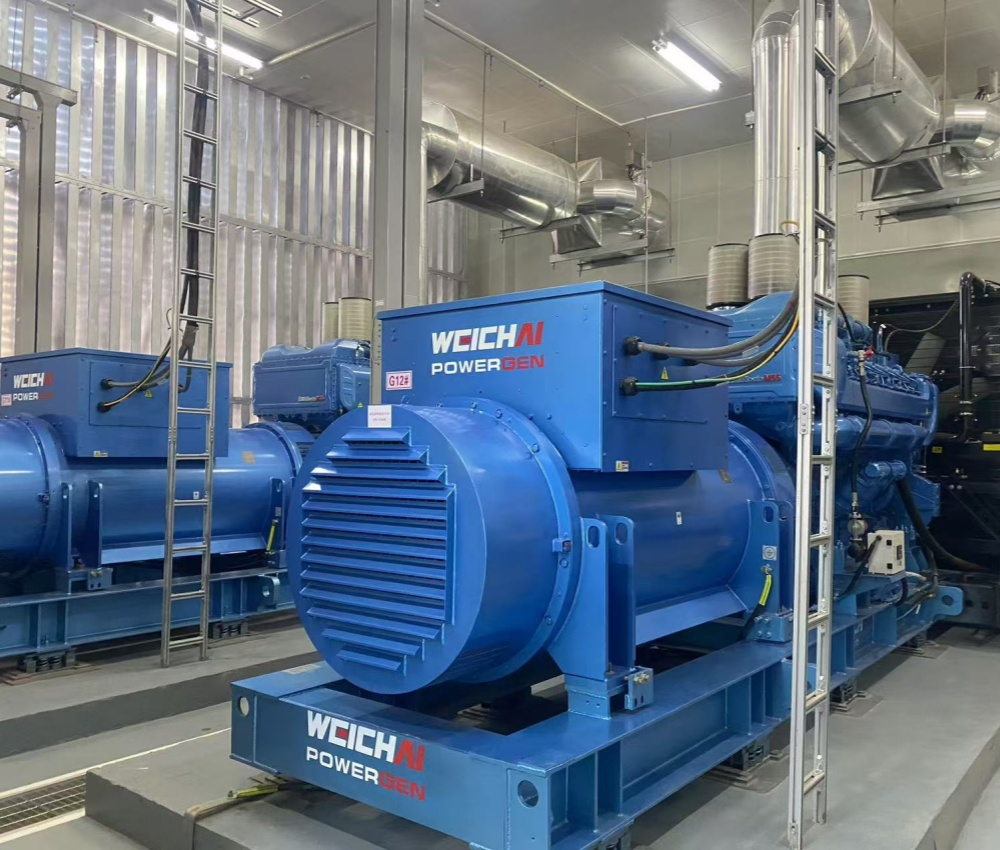
Data centers simply cannot function without industrial diesel generators if they want to stay online around the clock, particularly when grid power fails. These heavy duty machines kick in as backup power sources so operations continue uninterrupted even during those unexpected blackouts we all dread. Companies worldwide shell out roughly $700 billion every year because of surprise power cuts, which underscores why having dependable infrastructure matters so much. What makes these diesel generators stand out? They spring into action almost instantly after detecting a power drop, usually within just a few seconds. This quick response helps avoid expensive downtime that could cripple business operations. For organizations handling sensitive information or critical services, maintaining this kind of operational continuity isn't just nice to have it's absolutely essential for day to day functioning.
Protecting Data Integrity During Grid Failures
Keeping data intact matters a lot, especially when unexpected power cuts happen and risk corrupting important information. That's where industrial diesel generators come into play for many facilities. These machines act as insurance policies against blackouts, keeping the lights on so operations don't grind to a halt. When the main power grid goes down, these backup systems kick in automatically to maintain normal functioning. Some studies show companies might lose upwards of $100k every single hour trying to recover lost data after an outage. For hospitals, financial institutions, and tech firms particularly, having reliable backup power isn't just convenient it's practically a business requirement nowadays. The peace of mind that comes from knowing systems will stay online during emergencies allows data centers to concentrate on what they do best instead of worrying about potential disasters lurking around the corner.
Supporting Auxiliary Infrastructure Like Cooling Systems
Industrial diesel generators do more than just keep servers running. They also power essential support systems like cooling units, something absolutely necessary for keeping things at the right temperature. When temps rise too high, hardware starts to fail fast. That's why having backup power for cooling matters so much during blackouts to stop equipment from melting down. Keeping those cooling systems online means hot spots don't turn into full blown disasters that cost money and time to fix. Data centers that bring these generators into their setup tend to see better performance over time and longer lasting equipment. The whole system works better together when there's reliable power behind it all, even when the grid goes dark without warning.
Advantages of Industrial Diesel Generators Over Alternative Power Solutions
Superior Reliability Compared to Natural Gas Generators
Industrial diesel generators just keep showing they work better over time, which is why so many businesses turn to them for important power needs. When looking at alternatives like natural gas generators, there are real problems with getting fuel and how fast they kick in during blackouts. Diesel units start up much faster, something that matters a lot when operations can't afford downtime. Industry reports show diesel engines generally fail less often than gas powered systems, especially under tough conditions where power demands spike. For companies running facilities where power cuts mean big losses, these diesel machines still stand out as the go to option for keeping things running smoothly through emergencies.
High Power Output for Large-Scale Data Center Demands
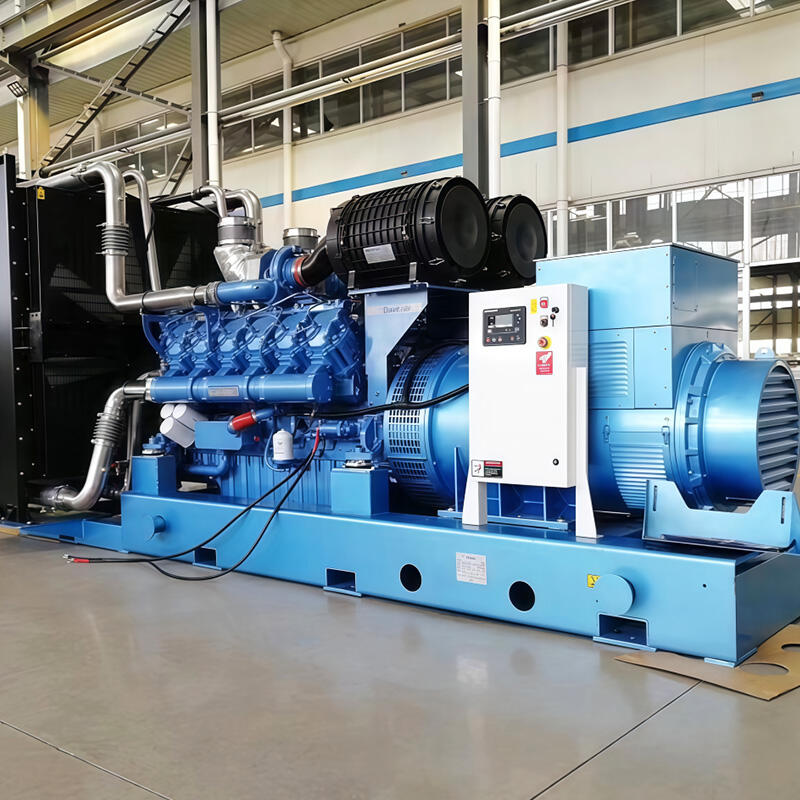
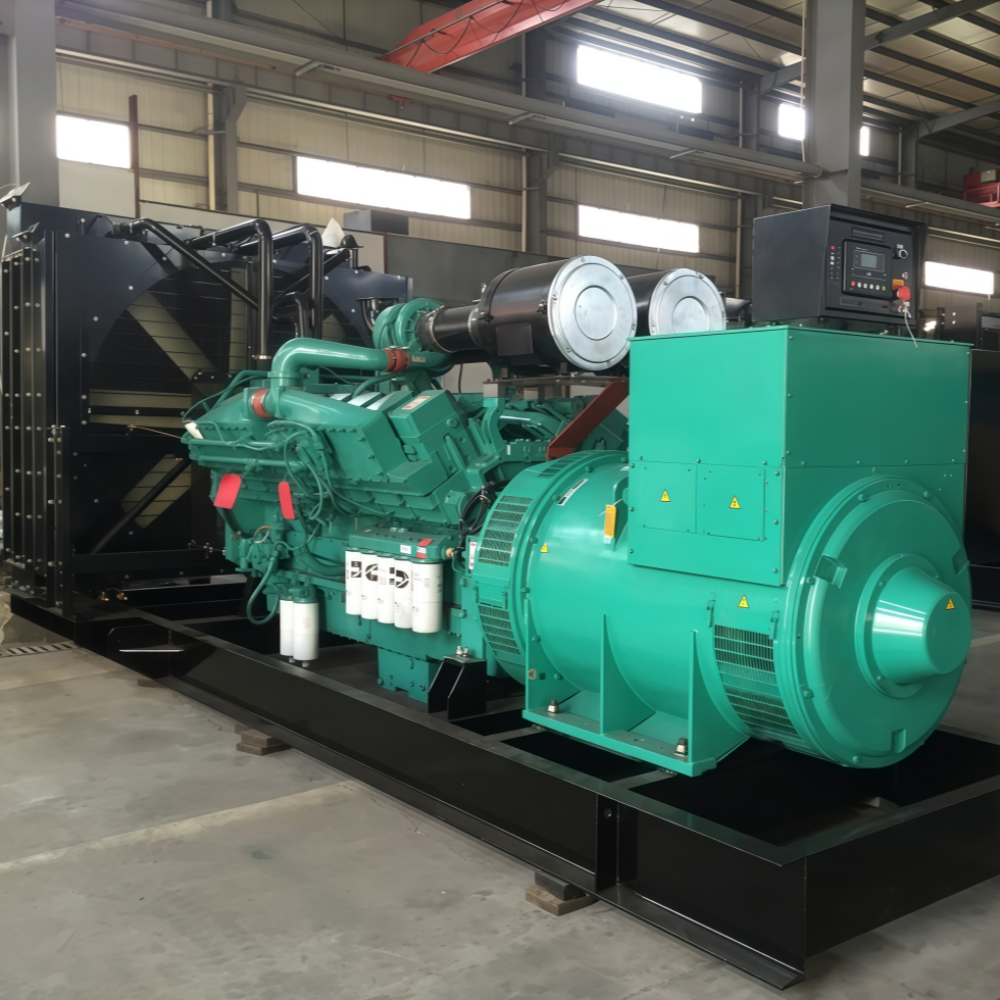
Industrial diesel generators come in sizes from around 500kW all the way up to 3MW or more, making them perfect for powering big data centers. When those massive server farms need electricity, they absolutely cannot afford any interruptions because thousands of machines and essential systems are running at once. The fact that these generators can handle such huge electrical loads means data centers stay online even as demand for data processing keeps growing year after year. With cloud computing expanding so fast and companies relying more heavily on digital infrastructure than ever before, having reliable backup power through diesel generators remains absolutely critical for keeping everything running smoothly without unexpected downtime costs.
Limitations of Battery Backup Systems for Extended Outages
Battery backup systems definitely give quick power when needed, but they just don't last long enough for serious outages that stretch on for hours or days. Most people know this already, since anyone who has run into a blackout knows batteries die eventually, especially if the facility needs full power all at once. On the flip side, diesel generators keep going much longer, something that matters a lot during those unexpected grid failures that shut down entire regions. Industry reports consistently point toward diesel as the better choice for keeping lights on and servers running through major electrical disruptions. Data centers need this kind of reliability because losing power means losing everything stored digitally. That's why so many facilities still rely on diesel despite all the talk about greener alternatives these days.
Key Features of High-Performance Diesel Generators for Data Centers
Scalable Power Capacity from 500kW to 3MW+
Diesel generators designed for high performance come in modules that scale from around 500 kilowatts all the way up to over 3 megawatts, something data centers really need when they require power solutions that can grow with them. The ability to scale means these facilities don't have to guess at how much extra power they'll need next quarter. Big tech companies especially love this feature because it helps them stay ahead of the curve as server demands keep climbing year after year. What makes these systems so smart is their modular design allows facility managers to tweak power output based on actual needs rather than just going big or going home. This approach saves money in the long run since nobody wants to spend extra on generators that sit idle most of the time or struggle with insufficient capacity during peak loads.
Advanced Fuel Efficiency and Long Runtime Capabilities
Today's diesel generators come packed with smart tech that makes them burn fuel much more efficiently, cutting down what companies spend to keep running. The engineering behind these machines means they get more work done per gallon of fuel, so they can keep going longer between refuels while lasting better over time. Manufacturing plants and construction sites have seen their fuel bills drop by around 30% after switching to these newer models. For businesses that need reliable power when the grid goes dark, this extra runtime is gold dust. Hospitals, data centers, and remote mining operations rely on these generators to stay online through storms or grid failures without breaking a sweat.
Integrated Emission Control Technologies
Newer diesel generator models come with built-in emission controls that meet tough environmental rules. One common approach is something called Selective Catalytic Reduction or SCR for short. These systems help cut down on bad stuff going into the air while still keeping the generator running efficiently. A lot of companies out there boast about meeting those EPA Tier 4 requirements, which shows they care about green practices. For businesses that need backup power, this means getting cleaner energy options without having to deal with reduced performance from older tech. Most industrial users find that modern generators strike just the right balance between being good for the planet and getting the job done reliably day after day.
Environmental Considerations and Sustainable Practices
Meeting Strict EPA Tier 4 Emissions Standards
More industrial diesel generators now meet EPA Tier 4 emissions standards, which means they produce far less pollution than older models. When data centers follow these tough regulations, they stay green while still getting reliable power when needed. Going along with Tier standards puts data centers in line with what the environment needs, and it looks good for corporate social responsibility too. Sticking to these rules creates a nice middle ground between running operations efficiently and taking care of the planet. Companies that do this tend to build better reputations in the market, especially among customers who care about sustainability practices.
Transitioning to HVO Fuel for Reduced Carbon Footprint
Hydrotreated Vegetable Oil, or HVO fuel, is becoming a real game changer compared to regular diesel options, cutting down carbon emissions quite substantially. The numbers tell the story too – switching over to HVO can slash greenhouse gases by around 90 percent, which makes it pretty green stuff for running those diesel generators we rely on so much. More businesses these days are starting to see that picking sustainable fuels isn't just good for the planet but actually fits into their day-to-day operations without causing headaches about performance issues. What's really nice about HVO though is that it works right out of the box with most existing diesel engines, so companies don't need to rip everything apart to go greener. For places like data centers where power needs are constant and huge, this kind of fuel offers a realistic way forward without breaking the bank or disrupting normal business activities.
Balancing Reliability with Renewable Energy Integration
More and more data centers are looking at ways to blend traditional diesel generators with renewable energy options for better sustainability outcomes. The combination works well because it keeps operations running smoothly while cutting down on our dependence on fossil fuels, which creates a much better overall power situation. Research indicates that when companies mix renewables with their existing backup power systems, they often see around half the usual carbon emissions. That's pretty impressive when we think about how bad greenhouse gases are for the planet. As data centers start adding solar panels and wind turbines to their infrastructure, they're essentially creating cleaner energy portfolios. This shift shows real dedication to going green and pushing boundaries in how we manage electricity needs these days.
Selecting the Right Diesel Generator Manufacturer for Data Center Needs
Evaluating Manufacturer Reputation in Critical Power Applications
Picking a trustworthy industrial diesel generator maker makes all the difference when it comes to keeping power running during emergencies. Think about data centers these days they're basically the backbone of everything digital we do online. These facilities need constant electricity without any hiccups, so going with a manufacturer known for quality matters a lot for system stability. Looking at reputation isn't just about reading reviews either. Check what kind of certifications they hold, how long they've been in business, and if other companies in similar situations have had good experiences. Most operators prefer working with established brands that have shown they can deliver dependable service over time. Spending some time researching options before making a purchase helps avoid costly mistakes down the road, especially since data center downtime can cost businesses millions in lost revenue and damaged reputations.
Importance of UL 2200 Certification for Standby Generators
The UL 2200 certification stands out as a mark of both quality and safety when it comes to backup power systems. When generators carry this certification, they've passed rigorous tests for safety and performance requirements that matter a lot for following industry rules and avoiding expensive issues down the road. For data center operators looking at equipment options, going with something that has UL 2200 means getting a machine built according to strict manufacturing guidelines. Manufacturers who focus on safety by obtaining UL certifications show they care about making dependable emergency power solutions. These certified generators play vital roles across important industries including data centers, medical facilities, and municipal services where any interruption simply cannot happen.
Customization Options for Tier III/Tier IV Data Centers
Data centers at Tier III and Tier IV levels have pretty special needs, which means finding the right diesel generator isn't just about picking any old model off the shelf. These facilities need generators with specific power outputs, enough runtime to handle extended outages, and must follow strict environmental regulations too. When manufacturers offer custom builds instead of one-size-fits-all units, they actually get closer to what data center operators really need in terms of meeting local laws and running efficiently day after day. The bottom line is that customized generators help these high-end facilities run better without worrying about getting fined for non-compliance, plus they fit much better into how these complex operations actually work on a daily basis.
In making these considerations, balancing manufacturer reputation, certification standards, and customization options becomes key in selecting the right industrial generator supplier. These factors contribute to the overall resilience and sustainability of data center operations, supporting their vital role in maintaining digital connectivity and public safety.
Table of Contents
- The Critical Role of Industrial Diesel Generators in Data Centers
- Advantages of Industrial Diesel Generators Over Alternative Power Solutions
- Key Features of High-Performance Diesel Generators for Data Centers
- Environmental Considerations and Sustainable Practices
- Selecting the Right Diesel Generator Manufacturer for Data Center Needs