EN
EN



The Role of Diesel Generators in Ensuring Uninterrupted Data Center Operations
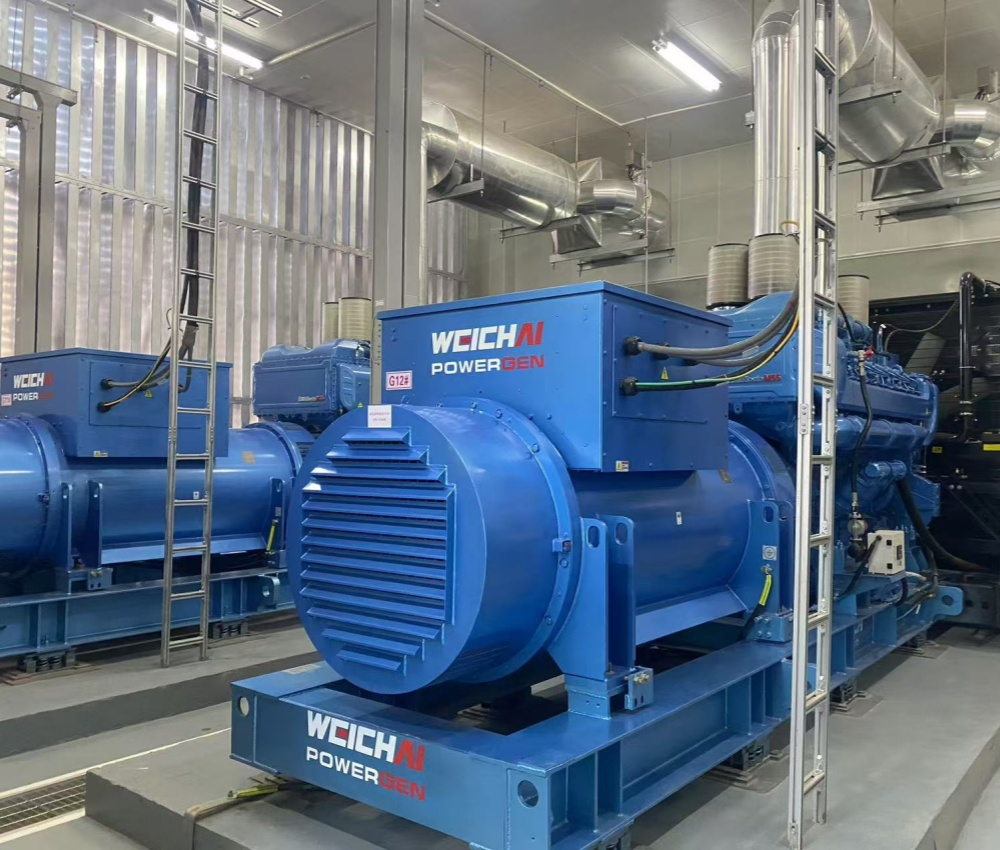
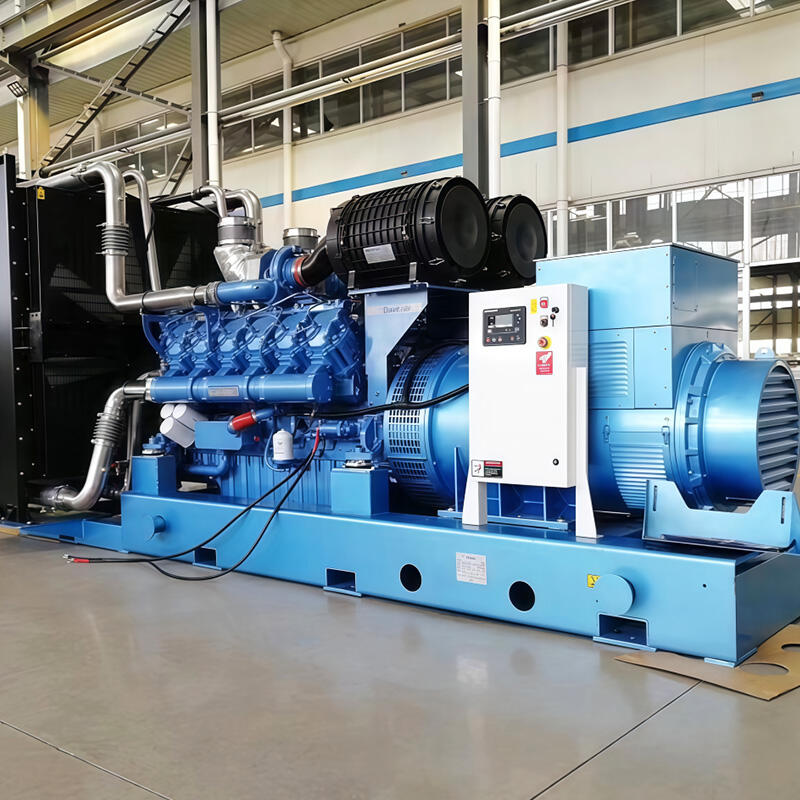
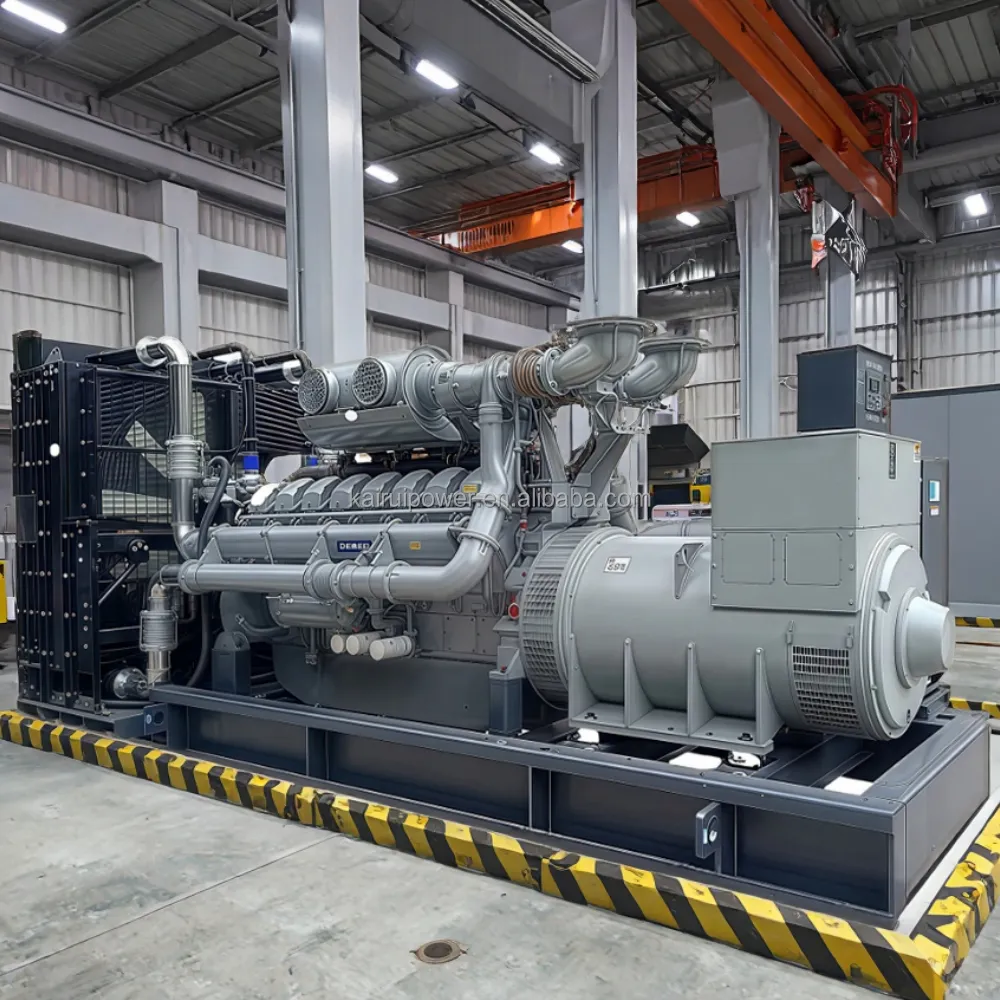
When the power goes down, diesel generators are what keeps things running until the grid comes back online. These machines kick into action within about 10 seconds of detecting a failure, which is pretty impressive considering how critical timing is for many operations. Data centers especially rely on this quick response because they need to maintain those near-perfect 99.999% uptime SLAs. The numbers tell the story too bad really. A study from Ponemon in 2023 found that even just 0.1% downtime costs mid sized facilities well over half a million dollars each year. That's why it matters so much to use good quality diesel fuel. Poor fuel can lead to corrupted data files and expensive equipment damage right when businesses can least afford it during those surprise blackouts.
How Fuel Quality Directly Impacts Generator Reliability and Response Time
The quality of fuel makes all the difference when it comes to how well backup generators work during power outages or other emergencies. Even small amounts of water in diesel fuel can cause problems. We're talking about just 0.01% water content leading to around a 15-20% drop in combustion efficiency. And if fuel isn't treated properly, microbes start growing in there pretty quickly too. Filters get clogged within about two months from this kind of contamination. Looking at industry data from last year, facilities that used ASTM D975 compliant diesel saw injector failures drop dramatically compared to those using lower quality fuel. One major facility network reported cutting their failure rate nearly in half after switching fuels. Adding the right chemical treatments to diesel fuel helps keep it stable for roughly 18 to maybe even 24 months. This matters because temperatures fluctuate so much through seasons, and stable fuel means generators will fire right up when needed without surprises.
Consequences of Poor Diesel Quality: Failures, Downtime, and Compliance Risks
Using poor quality diesel fuel can really mess up data center operations. We saw this happen firsthand back in 2022 at a Tier III facility where particulate buildup actually shut things down for 14 hours straight because the backup generators wouldn't start during a power outage. The money loss alone is staggering too. Big operators typically lose around $11k every single minute their systems are offline. And there's another problem nobody likes talking about: if facilities burn dirty fuel that doesn't meet specs, they could face EPA penalties as high as $37,500 each time they get caught. Not great for anyone's bottom line. What's worse? Most manufacturers won't honor their warranties if facilities keep running on substandard diesel. About 78% of those warranty protections disappear completely, which means unexpected repairs often end up costing hundreds of thousands of dollars just to fix what should have been prevented in the first place.
Key Factors in Sourcing Quality Generator Diesel for Mission-Critical Facilities
Avoiding Fuel Contamination: Managing Microbial Growth, Water, and Sludge
Things like microbial growth, water getting into the system, and sludge buildup really mess with how well generators burn fuel and cause parts to wear out faster than they should. According to some studies by the Ponemon Institute, nearly a third of all power failures at data centers actually stem from bad quality fuel in backup generators. When diesel sits around untreated above about 20 degrees Celsius, those pesky microbes start growing pretty quickly too. Most big data centers have figured this out though, so they implement three different layers of protection against these problems just to be safe.
- Weekly fuel testing for microbes and particulates
- Desiccant filters on tank vents to minimize humidity absorption
- Automated sump pumps removing 0.1% water content monthly
Best Practices in Diesel Storage, Testing, and Ongoing Fuel Maintenance
Proper storage extends diesel shelf life from 6 months to over two years. Industry leaders follow a structured 4-phase protocol:
| Phase | Action | Frequency | Key Metric |
|---|---|---|---|
| Prevention | Biocide treatments | Every 60 days | <0.5% microbial activity |
| Monitoring | ASTM D975 compliance testing | Quarterly | <10 ppm water content |
| Correction | Centrifugal polishing | Biannually | <0.01% solids by volume |
| Validation | Full-spectrum fuel analysis | Pre-monsoon | Cetane rating 45+ |
Facilities implementing this approach reduce emergency fuel system repairs by 78% compared to reactive maintenance strategies, as noted in the 2024 Fuel Management Report.
Matching Fuel Supply Capacity to Load Demands and Future Scalability
Modern data centers maintain 72–96 hours of onsite diesel reserves at N+1 redundancy levels. However, rising AI workloads demand forward-looking planning:
- Base Calculation: (Generator kWh x Runtime Hours) x 0.28 (Avg. Efficiency)
- Scalability Buffer: +25% capacity for every 15% projected annual load increase
- Geographic Risk: Facilities in hurricane-prone areas now store 120+ hours of fuel following updated NFPA 110 guidelines post-2025
Underestimating fuel needs risks downtime costs exceeding $740k/hour (Ponemon 2023), while oversized tanks increase contamination risks—highlighting the need for real-time load modeling tools to balance reliability and safety.
Diesel Fuel Options: Traditional ULSD vs. Renewable Alternatives Like HVO
Comparing Ultra-Low Sulfur Diesel (ULSD) and Hydrotreated Vegetable Oil (HVO)
Most data centers still rely on ultra low sulfur diesel (ULSD) as their go to generator fuel because it contains less than 1% sulfur and meets all those EPA emission rules. But there's another option gaining traction these days called hydrotreated vegetable oil or HVO for short. Made from recycled cooking oils and animal fats, this stuff actually performs just as well while cutting down on greenhouse gases by about ninety percent over its entire life cycle. What makes HVO stand out compared to regular biodiesel is that it doesn't need any special engine tweaks. Plus, engines run smoothly with HVO even when temps drop below freezing point (-32 degrees Celsius to be exact), so operators don't have to worry about starting issues during winter months anymore.
Evaluating Sustainability, Shelf Life, and Environmental Impact of Alternative Fuels
The advantages of HVO extend well beyond just cutting down on emissions. One thing that stands out is how long it lasts on shelves compared to regular diesel fuel. While ULSD typically only stays good for around 12 to 24 months, HVO can sit untouched for up to a decade. This means fewer headaches about wasted fuel sitting in backup generators over time. Major companies rolling out HVO solutions last year saw some impressive results too. Their systems cut emissions anywhere from 65% all the way up to nearly 90%, and still managed to meet those strict NFPA 110 requirements for emergency power situations. Facilities serious about going green will appreciate that HVO production carries an ISO 14001 certification, plus it works right out of the box with most existing equipment. Makes sense why so many are seeing this as their bridge toward cleaner energy solutions without having to completely overhaul everything they've already invested in.
Ensuring Fuel Compatibility With Generator Engine Specifications and OEM Requirements
Although HVO is chemically similar to ULSD and serves as a drop-in replacement for most modern generators, operators must verify OEM specifications. Leading manufacturers now approve 100% HVO blends in EPA Tier 4 Final engines, provided the fuel meets ASTM D975 purity standards. Critical checks include:
- Minimum cetane ratings (45+ for HVO vs. 40+ for ULSD)
- Additive packages for long-term storage
- Microbial growth inhibitors for humid environments
Proactive testing and supplier audits ensure seamless integration with mission-critical fleets without compromising reliability during outages.
Top Suppliers and Distribution Channels for Premium Quality Generator Diesel
National fuel distributors with dedicated data center service programs
National distributors offer specialized programs tailored to data centers' 24/7 reliability demands. These providers stock pre-treated, ASTM D975-compliant diesel at regional depots, enabling same-day emergency deliveries. One major distributor reduced generator startup delays by 78% in 2023 by strategically positioning <400-micron filtered diesel near key data hubs.
Specialty suppliers offering stabilized, high-purity treated diesel
Specialty fuel suppliers deliver diesel with <15 ppm sulfur and proprietary stabilizers that inhibit microbial growth for 18–24 months—ideal for sites with infrequent generator use. Third-party testing shows these formulations reduce injector fouling by 63% compared to standard fuels (NSCC 2023). Advanced blends also include demulsifiers that remove 99.9% of water within 48 hours.
Integrated fuel services: Onsite polishing, monitoring, and ISO-certified delivery
The best suppliers these days are mixing ISO 9001 certified deliveries right alongside robotic tank inspections and those automatic transfer switches (ATS) that keep tabs on fuel dielectric strength as it happens. When facilities actually implement full blown fuel management systems, they tend to see roughly 92 percent fewer unexpected maintenance problems because they're doing those weekly checks for particles and getting their tanks polished twice a year. And let's not forget the money saved either. Companies adopting this forward thinking approach can sidestep the staggering $740,000 average tab associated with equipment shutdowns caused by dirty fuel according to Ponemon Institute research from last year.
Proven Strategies from Leading Data Centers for Fuel Reliability
Case Study: Eliminating Generator Failures Through Proactive Fuel Management
Research published in 2023 looked at 62 large scale data centers and discovered that almost 9 out of 10 unexpected generator breakdowns were actually caused by bad fuel quality or contamination according to the Ponemon Institute report. At one facility located in Northern Virginia, they started doing regular fuel checks every two weeks, implemented automatic tank stirring systems, and added special additives to fight microbes in their storage tanks. Over the course of a year, problems starting generators on diesel dropped down by around 84 percent, and they still met those strict NFPA 110 standards for backup power reliability. The bottom line got better too. Fuel maintenance expenses went down by nearly seven hundred forty thousand dollars in 2024 when compared to previous years because there were far fewer emergency fixes needed the whole time period - going from thirty four urgent repair calls down to just three incidents throughout the entire year.
Trend: Adoption of Automated Fuel Monitoring and Supplier Certification Programs
Leading operators are combining smart tank sensors connected to the internet with outside lab testing to spot when water levels go above 0.05% and when cetane numbers drift more than 2 points from ASTM D975 specs. The latest numbers show that about 78% of Tier IV data centers now insist their suppliers follow API Q1 quality rules for delivering diesel fuel, which is way up from just 43% back in 2021 according to Uptime Institute's 2024 report. Tracking who handles the fuel through digital records called "chain of custody" documentation has cut down on dirt getting into the fuel tanks. Facilities monitoring over 14.7 million gallons of generator diesel saw a 61% drop in these contamination problems since implementing this system.
FAQ
1. Why is high-quality generator diesel crucial for data centers?
High-quality generator diesel is critical for data centers to ensure reliable operation during power outages. Using low-quality diesel can lead to failures, increased downtime costs, equipment damage, and void warranties.
2. How does fuel contamination impact generator performance?
Fuel contamination from water, microbes, and sludge can significantly reduce generator efficiency and reliability, causing blockages and wear-and-tear on parts, leading to frequent failures and costly repairs.
3. What are some best practices for diesel storage and maintenance?
Best practices include regular biocide treatments, compliance testing, centrifugal polishing, and routine fuel analysis to maintain diesel quality and reduce maintenance issues by 78%.
4. What’s the difference between ULSD and HVO?
ULSD is a traditional low sulfur diesel, while HVO is a renewable alternative made from recycled oils. HVO significantly reduces emissions, lasts longer, and works well in cold temperatures without requiring engine modifications.
5. How can facilities ensure fuel compatibility with generators?
Facilities must check OEM specifications to ensure new fuels like HVO meet minimum standards such as cetane ratings, additive packages, and use microbial inhibitors for smooth operation.
Table of Contents
- Key Factors in Sourcing Quality Generator Diesel for Mission-Critical Facilities
- Diesel Fuel Options: Traditional ULSD vs. Renewable Alternatives Like HVO
- Top Suppliers and Distribution Channels for Premium Quality Generator Diesel
- Proven Strategies from Leading Data Centers for Fuel Reliability
- Case Study: Eliminating Generator Failures Through Proactive Fuel Management
- Trend: Adoption of Automated Fuel Monitoring and Supplier Certification Programs
- FAQ