EN
EN



Why Open Frame Diesel Generators Excel in Temporary Plant Power Applications
Thermal Efficiency and Rapid Deployment Advantages
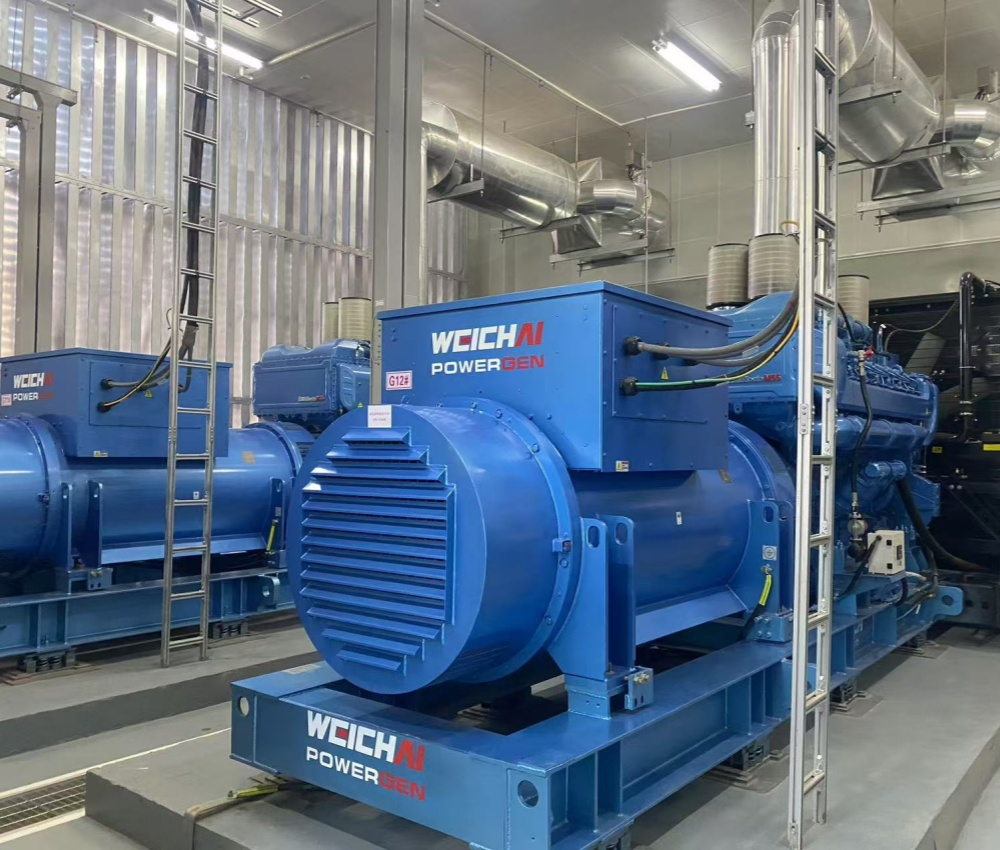
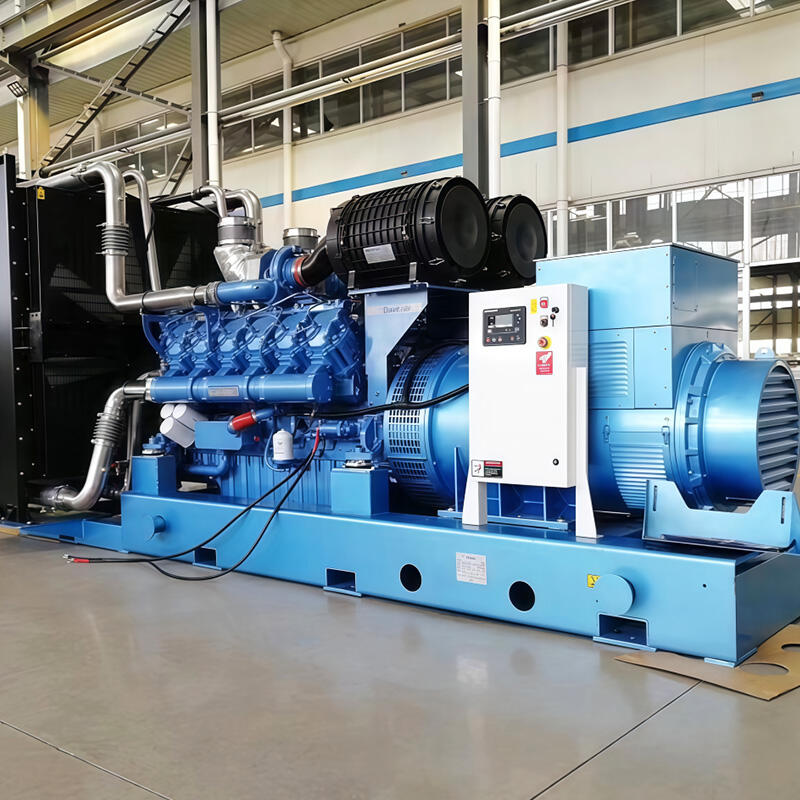
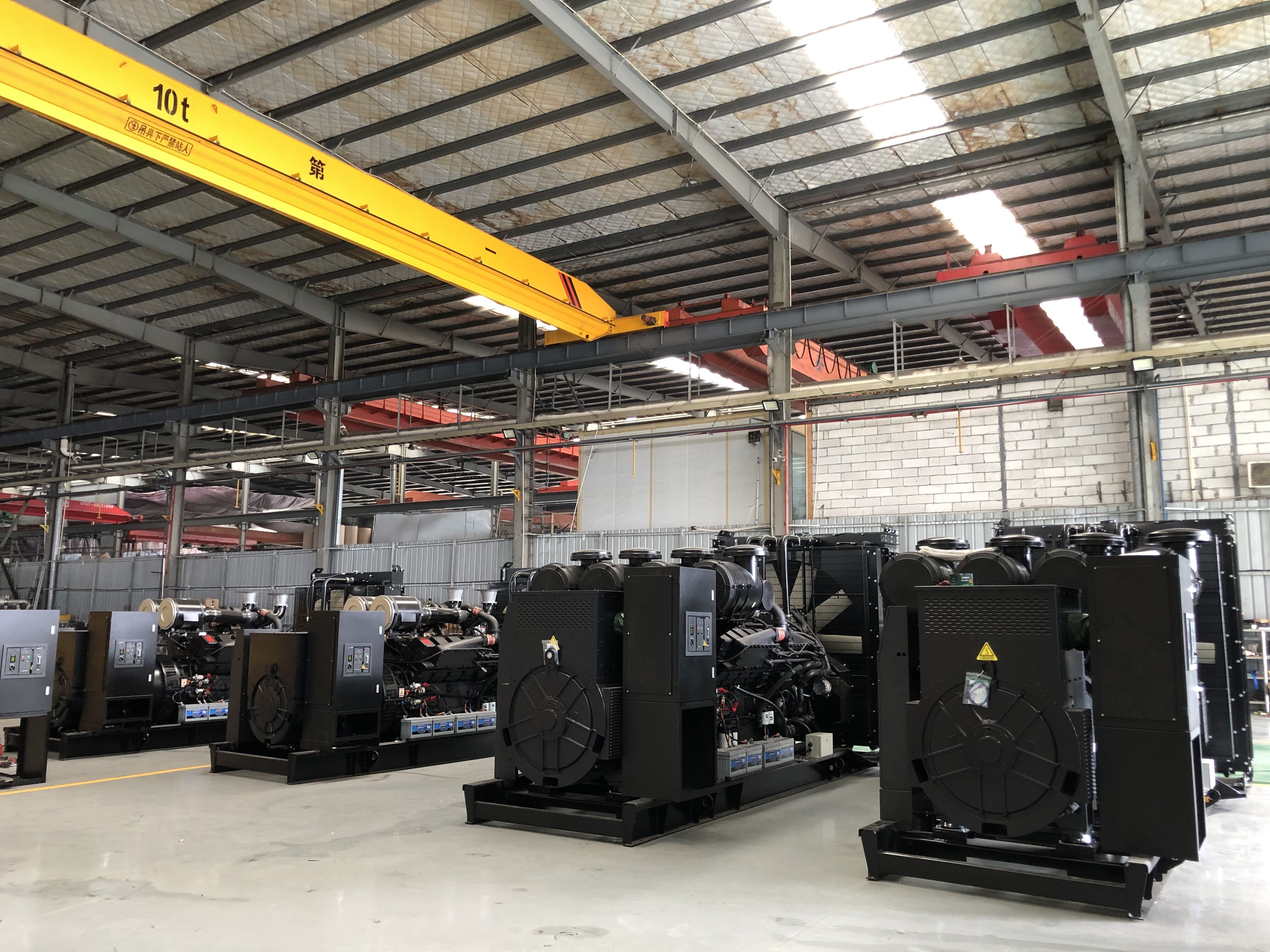
Open frame diesel generators work better because they let air flow freely through all the important parts like radiators, alternators, and exhaust manifolds. This helps keep things cool when running at full power for long periods. Compared to enclosed models, these open designs stay efficient much longer, which means about 20% less fuel burned over time in continuous operation scenarios. Maintenance crews love them too since the panels are easy to open without tools, cutting down on average repair times by around 90 minutes each time they need servicing. What really makes them stand out though is how quickly they can be set up anywhere. The modular design doesn't need any special foundations, so getting one operational takes less than two days in most cases. Mining companies and construction firms working in remote areas have found this to be a game changer compared to traditional enclosed generators that often require major site preparation before installation.
Case Study: 250 kVA Open Frame Unit Supporting Modular Prefab Plant Assembly (Texas, 2023)
During the expansion of a modular housing facility in Houston, a 250 kVA open frame diesel generator kept things running smoothly for half a year straight. The machine operated at around 85% capacity most of the time, even when outside temps hit 104 degrees Fahrenheit. Welding stations, overhead cranes, and HVAC systems all stayed powered through these conditions without any performance issues or overheating problems during those long 16 hour workdays. There was one incident where something got stuck in the fuel line, but because it's an open frame design, the maintenance team could see what was wrong right away and fix it within about 90 minutes give or take. Looking back on the project, the folks managing operations said they saved roughly 30% on setup expenses thanks to how easy it was to install this generator with little preparation needed at the site.
Key Operational Trade-Offs: Noise, Environmental Exposure, and Site Requirements
Understanding the compromises inherent in open frame diesel generators ensures effective deployment. These units deliver critical power but demand strategic planning around operational constraints.
Noise Profile (70–92 dB(A)) and Mitigation Strategies for Perimeter-Sensitive Sites
The noise level from open frame diesel generators ranges between 70 to 92 dB(A), which sounds about as loud as being stuck in rush hour traffic on a busy city street. Because of this, these generators just don't work well when placed close to homes, office buildings, or medical centers where people need quiet environments. To tackle the noise problem, good site layout matters a lot. Putting those baffle boxes around 3 to 5 meters back from the property edge helps, and turning the exhaust pipes so they face away from areas where people live or work makes a big difference too. When moving equipment isn't possible, building sound absorbing berms using old rubber tires can cut down noise by roughly 8 to 12 dB. Hospitals and research facilities often require something even better though. Dual skin acoustic enclosures with flexible exhaust connections are still considered top notch solutions despite their higher price tag and the fact that they do affect how well the generator cools itself.
Ventilation Needs vs. Dust/Heat Vulnerability in Unenclosed Configurations
The same openness that enables superior cooling also exposes critical components to environmental stressors:
- In arid regions, daily intake filter inspections are essential—dust infiltration accelerates engine wear and clogs oil coolers
- Coastal installations require bi-weekly anti-oxidation treatments on exposed alternator windings and terminal blocks to prevent salt-induced corrosion
- Above 40°C (104°F), thermal stress escalates rapidly; shaded placement and real-time coolant temperature monitoring are non-negotiable
Standard countermeasures—including angled windbreaks and particle separators—reduce airflow efficiency by 15–20%, often necessitating derating during peak summer operation. Always calibrate shielding strategies using site-specific wind pattern analysis to preserve thermal integrity without compromising protection.
Ensuring Long-Term Reliability During Intermittent Use
Wet Stacking Risks and Carbon Buildup in Underloaded Open Frame Diesel Generators
When open frame diesel generators run under 30% load for short periods, they develop what's called wet stacking. Basically, fuel doesn't burn completely so it condenses inside the exhaust system and turbochargers where it mixes with water vapor, creating these nasty acidic deposits over time. At the same time, when combustion isn't complete, carbon builds up everywhere - in the cylinders, fuel injectors, even on turbine blades. A recent study from Power Systems Research found that this double problem cuts down thermal efficiency somewhere between 12 to 18 percent and makes parts wear out about 40% faster compared to generators running at proper loads. To avoid all this trouble, operators need to keep exhaust temps above around 250 degrees Celsius (that's 482 Fahrenheit) by managing how much load the generator carries. And before performance starts dropping off noticeably, checking cylinder walls with a borescope inspection becomes really important.
Proven Exercise Protocols: Weekly Load Cycling and Load Bank Validation
Structured exercise routines mitigate underloading risks and preserve long-term reliability:
- Run at 60–80% rated load for ≥30 minutes weekly to vaporize residual fuel and stabilize combustion dynamics
- Conduct quarterly load bank tests at 100% capacity for two hours to verify voltage regulation, winding insulation integrity, and governor response
- Monitor exhaust gas temperature trends during validation to confirm optimal air-fuel ratios
According to a study published in Generating Plant Reliability Review last year, plants that follow these procedures see about 70% less problems related to carbon emissions. Load bank tests are really important because they find hidden trouble spots like bad AVR circuits or damaged windings between turns before these things actually shut down operations unexpectedly. When setting how often and how long these tests should run, operators need to consider what's going on around them plus what the equipment manufacturer recommends. For example, places where there's lots of moisture in the air might need checks every month rather than just once every three months as standard practice suggests.
Portability and Infrastructure Integration for Dynamic Plant Sites
Open frame diesel generators get built specifically for those temporary power needs at plants where things keep moving around or need quick setup changes. These units weigh way less than their enclosed counterparts because of simpler designs, which means they can ride on regular flatbed trucks instead of needing special transport. Most models come with built-in lifting points and spots for forklifts, making them easy to move around without bringing in extra equipment for heavy lifting. All this mobility means getting these generators up and running happens much faster, saving money on shipping and logistics. Think about construction sites that grow in stages, remote drilling camps, or manufacturing setups that don't have proper foundations yet. When it comes to hooking up electricity, these generators work well with standard connection systems like Cam-Lok or LV-250 panels, so connecting to existing power boards isn't a headache. And since they don't require fancy concrete bases most of the time, just some packed gravel or maybe some ready-made concrete blocks will do, there's no waiting weeks for groundwork. So what does all this mean? Plants can usually start using power within a few hours after arrival, not days waiting for everything else to fall into place. This makes sense when moving equipment around, expanding operations, or building modules without stopping production completely.
FAQ
What is wet stacking in open frame diesel generators?
Wet stacking occurs when diesel generators operate under 30% load for short periods, resulting in unburned fuel condensing inside the exhaust system and turbochargers, leading to acidic deposits over time.
How does the openness of frame setups affect maintenance?
The open design allows maintenance crews to access panels easily for repairs, reducing average repair times by about 90 minutes.
What are the noise levels of open frame diesel generators and how can it be mitigated?
Noise levels typically range from 70 to 92 dB(A). Mitigation strategies include using baffle boxes, redirecting exhaust pipes, building sound absorbing berms, or using acoustic enclosures.