EN
EN



Understanding Diesel Generator Set Fundamentals and Key Components
How a Diesel Generator Set Converts Fuel to Electrical Power
Diesel generators work by turning chemical energy from fuel into electricity we can actually use. Here's how it basically works: when diesel fuel gets sprayed into the engine's cylinders filled with super compressed air, the intense heat from that compression (not sparks like in gasoline engines) makes everything ignite. The resulting explosion pushes the pistons down, which turns the crankshaft - this mechanical movement powers the alternator's spinning rotor. When this rotor moves around inside those copper windings called a stator, it creates electricity through something called electromagnetic induction, giving us alternating current or AC power. These machines typically run at around 40% efficiency, which beats out most gasoline generators because they compress fuel so much more and burn it cleaner too. To keep running smoothly when needed, modern diesels have all sorts of smart systems managing things like exactly when fuel gets injected, keeping cool with temperature controlled systems, and cleaning up emissions before they go out the exhaust pipe.
Core Components: Engine, Alternator, Control Panel, and Enclosure
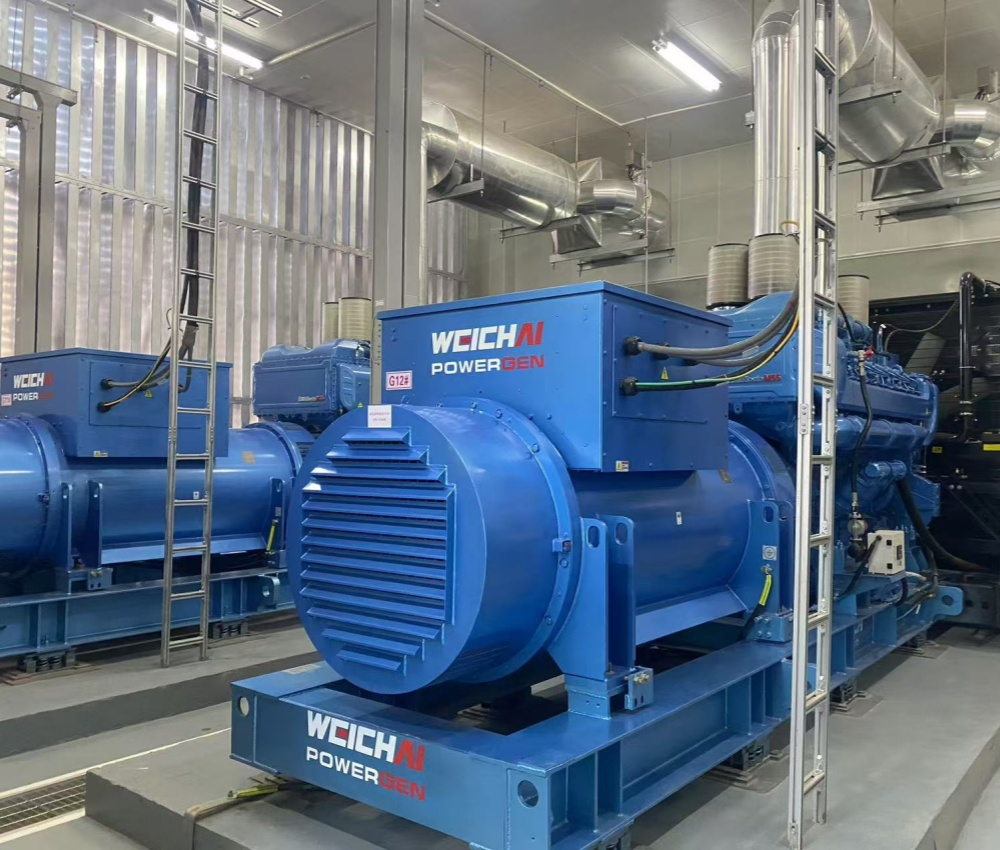
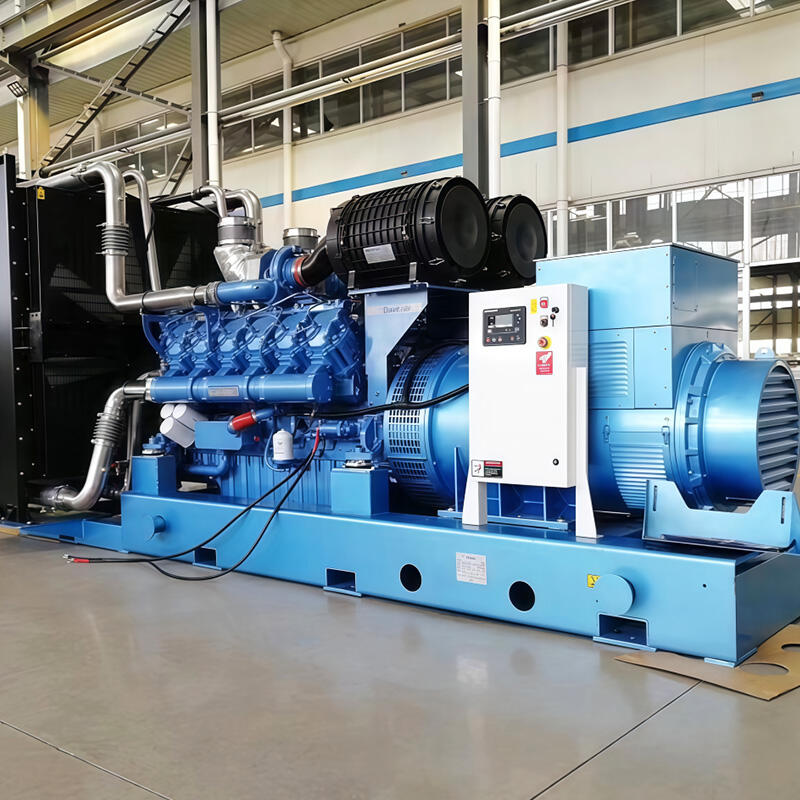
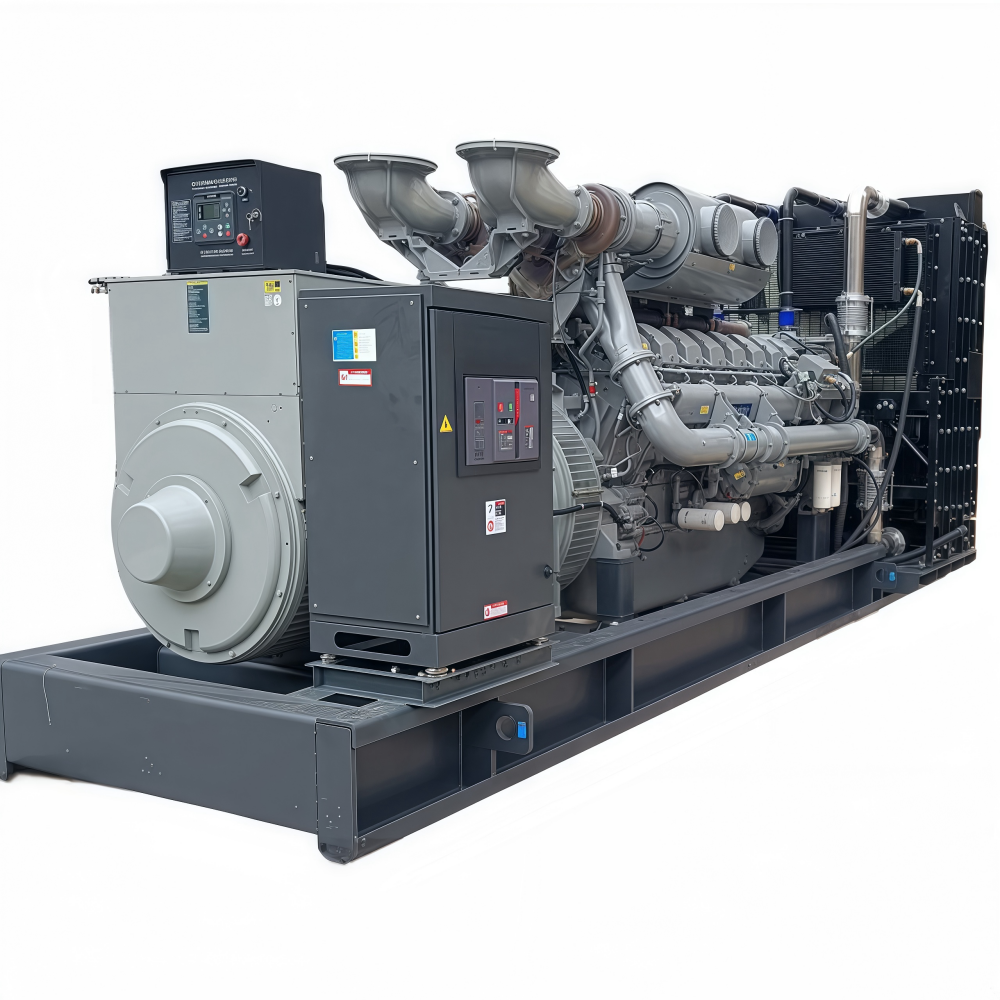
Four interdependent components form the functional core of every diesel generator set:
- Diesel Engine: The prime mover, relying on compression ignition to transform fuel into rotational torque. Compression ratios of 15:1–20:1 enable superior thermal efficiency and low-speed pulling power.
- Alternator: Converts mechanical rotation into AC power via electromagnetic induction between the spinning rotor and stationary stator. Integrated voltage regulators maintain output stability within ±1%, even during transient load changes.
- Control Panel: Serves as the operational interface and safety hub—providing start/stop functionality, real-time monitoring of voltage, frequency, oil pressure, coolant temperature, and automatic fault detection with shutdown protocols.
- Enclosure: Delivers structural integrity, environmental protection, and noise control. Acoustically engineered enclosures reduce sound levels to ≤65 dBA at 7 meters—essential for compliance in urban or indoor commercial applications.
| Component | Primary Function | Critical Subsystems |
|---|---|---|
| Engine | Fuel-to-mechanical conversion | Fuel injection, turbocharging |
| Alternator | Mechanical-to-electrical conversion | Voltage regulator, excitation |
| Control Panel | Operation monitoring & safety | Circuit breakers, sensors |
| Enclosure | Structural integrity & noise mitigation | Cooling vents, acoustic lining |
These core elements integrate seamlessly with auxiliary systems—including multi-stage fuel filtration, belt-driven radiator fans, and automated battery chargers—to deliver reliable, 24/7 standby power for mission-critical commercial infrastructure.
Sizing a Diesel Generator Set Accurately for Your Load Requirements
Calculating Total Connected Load and Accounting for Starting Surge
Getting the right size begins with calculating the total connected load accurately, which basically means adding up all the watts each piece of equipment uses when it's running normally. When dealing with commercial or industrial facilities, someone has to go through every single circuit and check things like lights, heating systems, computer rooms, and anything with motors attached. Motors are particularly important because when they start up, they pull way more current than when they're just running along normally—about three to six times more actually. If we don't account for this sudden power draw, there could be problems like overloaded circuits, breakers tripping unexpectedly, or even motors that won't turn when the main power goes out. Many people make the mistake of going by those numbers printed on equipment labels instead of measuring actual peak demands. The cost difference is huge too. Generators that run constantly at 90% capacity burn about 40% more fuel compared to ones that operate around 70-80% of maximum load according to some research from Energy Systems Lab back in 2022. It really pays off to double check these load profiles either through utility company records or by using those portable power meters that folks actually carry around.
Derating Factors: Altitude, Temperature, and Fuel Quality Impact
The environment plays a big role in how equipment actually performs in the field. When going up in elevation, say around 300 meters or so above sea level, there's simply less oxygen available because the air gets thinner. This means engines start losing power at about 3.5% per 300 meters climbed, which is why many installations at higher altitudes need either larger engines or ones equipped with turbochargers. Hot climates are another challenge altogether. Once ambient temps hit over 40 degrees Celsius, radiators struggle to reject heat properly. In places like deserts or on rooftops where temperatures regularly exceed this threshold, operators often find themselves needing to reduce capacity by roughly 20%. And let's not forget about fuel quality issues too. Diesel with cetane numbers dipping below 40 tends to burn incompletely, cutting down overall efficiency somewhere between 8 to 12 percent while also creating more soot buildup according to research from Ponemon Institute back in 2023. The bottom line? Never rely on generic rules when it comes to these calculations. Always check those manufacturer specific derating curves against actual site conditions before making any decisions.
Installation, Maintenance, and Operational Best Practices
Proper Ventilation, Fuel Storage, and Grounding Requirements
The ventilation system needs to follow NFPA 110 standards which means keeping airflow clear for engine cooling and making sure exhaust disperses safely. Clearance requirements depend on the size of the equipment and what kind of enclosure it's in. When it comes to storing fuel, facilities should go with UL-142 certified double wall tanks that have secondary containment areas. This is really important stuff because it stops contaminants from getting into soil and water while also complying with those EPA SPCC regulations about spills. For grounding systems, we need to get down to around 5 ohms resistance max. Copper clad grounding rods work best when connected with exothermic welds. This setup helps prevent shocks, controls static electricity buildup, and makes sure there's a good path for fault currents. Special attention goes to places like data centers and hospitals where carbon monoxide detectors and forced air exhaust systems aren't just recommended they're absolutely essential for protecting people's lives.
Preventive Maintenance Schedule for Long-Term Reliability
A disciplined, manufacturer-aligned maintenance program extends service life by 40–60% and cuts unplanned downtime by 78% (EPRI 2021). Key intervals include:
- Daily/Weekly: Visual inspection for fluid leaks, hose integrity, and battery terminal corrosion; verify battery voltage ≤12.6 V (12V system) or ≤25.2 V (24V system)
- Monthly: Check coolant level and antifreeze concentration; purge water and sediment from fuel filters and tanks
- Bi-annual: Conduct load bank testing at ≤75% of rated capacity for ≤2 hours to prevent wet stacking and verify voltage/frequency regulation
- Annual: Replace coolant, inspect drive belts and hoses, perform harmonic distortion analysis, and calibrate control panel sensors
Maintaining detailed service logs—not just for compliance but to detect subtle trends like rising oil consumption or declining cranking voltage—enables predictive intervention before failures occur. After extended runtimes or post-outage operation, add a full oil-and-filter change and combustion chamber inspection to preserve emissions compliance and long-term reliability.
Frequently Asked Questions
What are the main components of a diesel generator set?
A diesel generator set consists of four main components: a diesel engine, an alternator, a control panel, and an enclosure.
How efficient are diesel generators compared to gasoline generators?
Diesel generators are typically more efficient, operating at around 40% efficiency compared to gasoline generators due to their higher compression ratios and cleaner fuel burning.
What environmental factors affect the performance of diesel generators?
Environmental factors such as altitude, ambient temperature, and fuel quality can impact diesel generator performance. High altitudes reduce oxygen levels, while high temperatures can hinder cooling efficiency. Poor fuel quality can also lead to incomplete combustion.
Why is proper sizing of a diesel generator important?
Proper sizing ensures the generator can handle all connected loads, including starting surges, without overloading circuits or causing equipment failures. It also optimizes fuel efficiency and operating costs.
How often should diesel generators be maintained?
Diesel generators require regular maintenance, including daily/weekly visual inspections, monthly checks, bi-annual load bank testing, and annual comprehensive inspections. A disciplined maintenance schedule extends the generator's lifespan and reliability.
Table of Contents
- Understanding Diesel Generator Set Fundamentals and Key Components
- Sizing a Diesel Generator Set Accurately for Your Load Requirements
- Installation, Maintenance, and Operational Best Practices
-
Frequently Asked Questions
- What are the main components of a diesel generator set?
- How efficient are diesel generators compared to gasoline generators?
- What environmental factors affect the performance of diesel generators?
- Why is proper sizing of a diesel generator important?
- How often should diesel generators be maintained?