EN
EN



Data Center Tier Requirements and Corresponding Super Silent Diesel Generator Power Ranges
Tier III vs. Tier IV Load Profiles: Why 500–3,000 kW Covers Edge to Hyperscale Needs
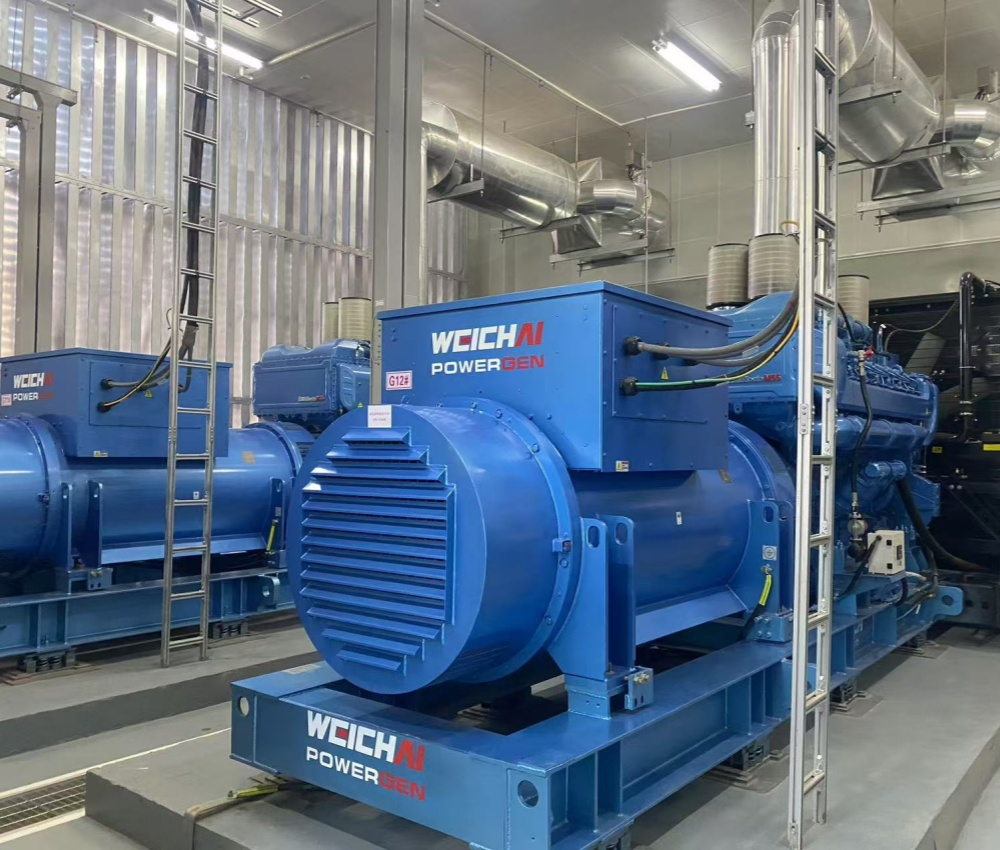
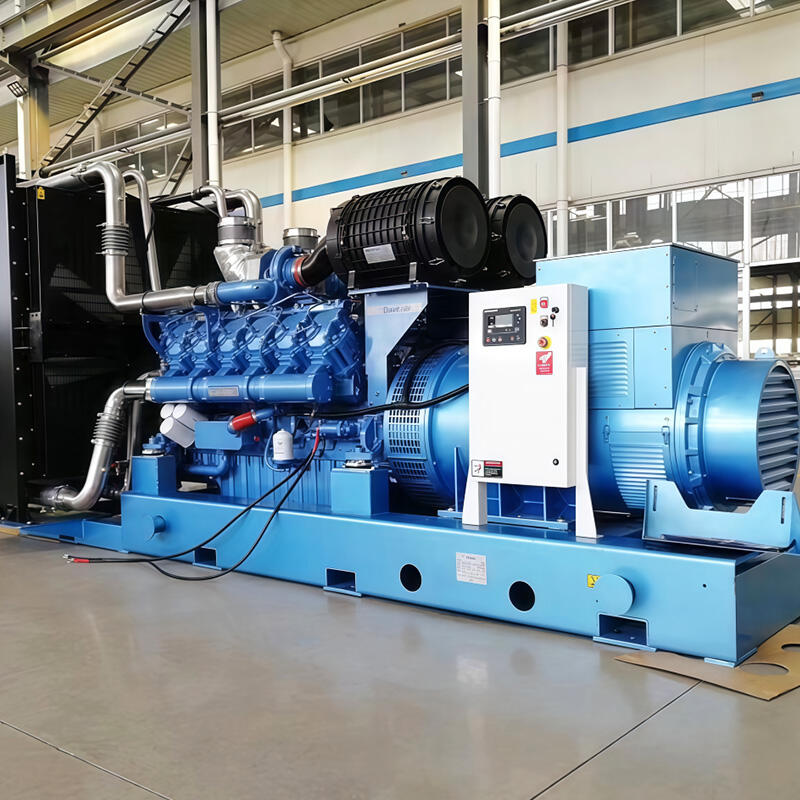
The power needs for Tier III versus Tier IV data centers are worlds apart. For Tier III facilities, we're looking at N+1 redundancy which basically means technicians can work on individual components without shutting anything down. But when it comes to Tier IV standards, the requirements jump up to 2N+1 fault tolerance with completely separate duplicate systems running in parallel. These differences have a huge impact on how generators need to be sized. Edge computing locations generally run between 500 to 800 kilowatts, while those massive hyperscale campuses consume anywhere from 1,500 to 3,000 kilowatts just to keep their densely packed servers cool and operational. Fortunately, modern ultra quiet diesel generators handle this entire range pretty well thanks to modular designs that let them scale from one small 500 kW unit all the way up to synchronized setups reaching 3,000 kW capacity, all while staying below 55 decibels at seven meters distance. According to recent research from Uptime Institute (their 2023 Global Data Center Survey), about 96 percent of data centers worldwide fall somewhere within this 500 to 3,000 kW window, covering everything from smaller edge locations right up to full blown cloud computing campuses.
IEEE 1344-2022 DCP Rating Explained: The 125% Continuous Capacity Rule for Reliability
The new IEEE 1344-2022 standard brings in something called Duty Cycle Power (DCP) ratings, which basically means generators need to handle 125% of what they're rated for over an hour out of every 12 hours operation. And they can't let things get too hot or cause voltage issues during this time. That extra 25% buffer helps deal with all sorts of real life problems we see on site, like when chillers kick back on after shutdowns, those weird distortions from UPS systems, and sudden load increases that sometimes hit 300%. For super quiet diesel generators especially, meeting these DCP standards isn't just about bigger parts. It actually needs proper thermal management built right in. Manufacturers have to adjust alternator settings based on how much the surrounding air heats up, make radiators about 40% larger than normal, and carefully design airflow through the system using computer simulations to fight against heat buildup caused by soundproofing materials. Generators that pass IEEE 1344-2022 testing show around 62% fewer failures related to overheating compared with older models that were only tested according to ISO 8528 or the Annex D section of NFPA 110 standards.
How Acoustic Design Impacts Power Capacity in Super Silent Diesel Generators
Enclosure Trade-offs: Why 'Super Silent' Doesn’t Mean Lower Output—Thermal & Airflow Constraints at Scale
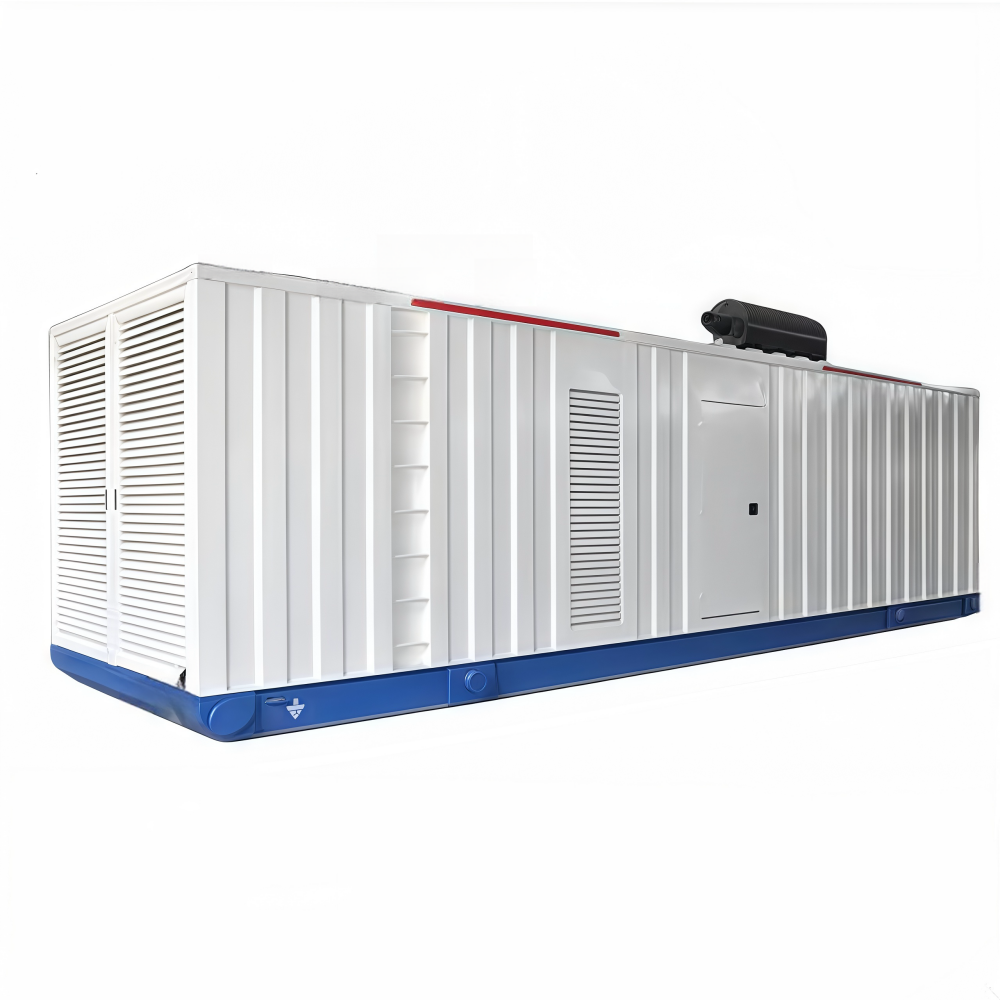
The term "super silent" doesn't necessarily mean reduced power when done right. Modern enclosures incorporate several materials working together - think steel frames with multiple layers, some mineral wool insulation mixed in there too, plus mass loaded vinyl sheets. These combinations can actually soak up around 60 to 65 decibels worth of those annoying mid to high frequency noises we all hate. But there's a catch here folks. All this heavy duty material blocks air flow pretty effectively, which means components inside get hotter than they would in regular open frame models. Temperatures can climb as much as 30 percent higher according to measurements taken across different installations. Because of this heat issue, companies have developed three main approaches to keep things running at their best performance levels without sacrificing that quiet operation everyone wants.
- Baffled intake/exhaust channels engineered for 15–20% higher velocity airflow
- Radiator arrays oversized by ¥40% to compensate for insulation-induced heat retention
- Acoustic louvers positioned to direct laminar cool air precisely toward exhaust manifolds and alternator windings
The result: 2,000 kW super silent units now achieve sub-55 dBA operation without output reduction—validating that acoustic performance and Tier IV electrical resilience are fully compatible.
Sizing a Super Silent Diesel Generator: From Electrical Load to Noise Compliance
Critical Load Types: Capturing UPS Inrush, Chiller Restart, and Dynamic Block Loads
Accurate generator sizing hinges on capturing three transient but deterministic load profiles:
- UPS inrush currents, peaking at 5.5× running load for 100 ms during utility transfer
- Chiller restart surges, often exceeding 200% nameplate for 3–5 seconds post-restoration
- Dynamic block loads, where server clusters activate simultaneously—especially relevant for AI training or blockchain workloads fluctuating at rates up to 400 kW/second
Under-sizing by just 15% increases grid-transfer failure probability by 37% in Tier IV environments [IEEE Gold Book, Section 12.4.2, 2023]. Leading hyperscalers therefore size generators to ¥1.25× nameplate capacity—not as excess, but as essential margin for verified transient response.
Acoustic Integration: Meeting <55 dBA @ 7m Without Compromising Voltage Stability or Response Time
Achieving library-level noise (<55 dBA at 7 meters) [ASHRAE Handbook—HVAC Applications, 2023] while meeting Tier IV’s 0.8-second response time and ±0.5% voltage regulation requires resolving three interdependent challenges:
- Enclosure design: Multi-chamber baffles absorb ~30 dB but raise internal ambient temperature by 12°C—necessitating liquid-cooled alternators with dual-circuit thermal isolation
- Fan modulation: Variable-speed fans cut noise by up to 8 dBA, yet must sustain minimum airflow to support 125% DCP operation
- Exhaust tuning: Active wave-cancellation mufflers suppress low-frequency rumble (<500 Hz), but require pressure monitoring to prevent backpressure from exceeding 15 kPa at full load
State-of-the-art super silent diesel generators integrate piezoelectric baffle actuators and real-time exhaust pressure sensors—dynamically adjusting geometry and fan speed to maintain voltage stability, thermal integrity, and acoustic compliance in parallel.
Real-World Validation: 2.2 MW Super Silent Diesel Generator in a Northern Virginia Hyperscaler
The installation of a 2.2 MW super quiet diesel generator at a Tier IV hyperscale data center in Northern Virginia has shown just how feasible it is to run full power emergency generation systems even in areas where noise restrictions are tight. When we ran a full load test simulating a complete grid failure including all those sequential chiller restarts and getting 85% of the dynamic block loads activated, the generator kept noise levels below 55 dBA at 7 meters away from the unit, which sounds about like gentle rain falling. It put out 100% of its rated power without any drop off due to heat issues, and hit the required 0.8 second response time with only ±0.42% variation in voltage output. What made this work so well? The system had built in airflow management validated through computer simulations and used four stages of sound dampening technology. This proves once and for all that today's super quiet diesel generators can actually bridge the gap between meeting local noise ordinances and maintaining reliable power supply for critical operations.
FAQ
What is the difference between Tier III and Tier IV data centers in terms of power redundancy?
Tier III data centers operate on an N+1 redundancy model, allowing technicians to maintain individual components without system shutdowns. Tier IV data centers require a 2N+1 fault tolerance with duplicate systems running in parallel, offering a higher level of redundancy.
How does IEEE 1344-2022 affect diesel generator performance?
This standard introduces Duty Cycle Power (DCP) ratings, requiring generators to handle 125% of their rated capacity on certain occasions, demanding enhanced thermal management and system design to prevent overheating and voltage issues.
Why are super silent diesel generators important for data centers?
These generators provide essential power solutions while maintaining low noise levels, adhering to local noise restrictions, and supporting critical operations within data centers without compromising power capacity or reliability.