EN
EN



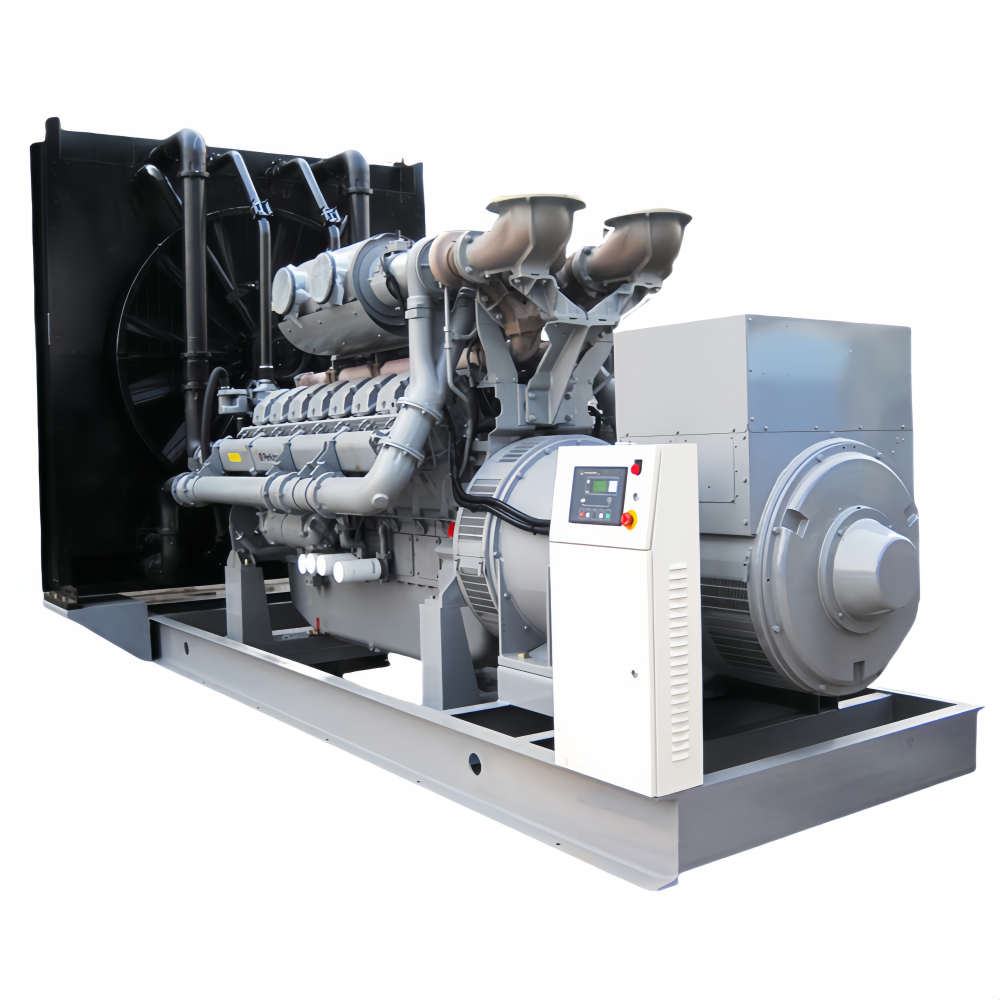
Align Diesel Generator Ratings with Power Plant Load Profiles and Duty Cycles
Understanding Standby, Prime, and Continuous Ratings in Context of CHP and Grid-Support Operations
Getting the right power rating for diesel generators means matching what the equipment will actually do day to day with those ISO 8528 standards everyone talks about. Standby rated models work best when they're only running maybe 200 hours a year or so, usually during power cuts from the main grid. But put these same units under constant load and they'll start breaking down faster than expected. Prime rated generators handle changing loads over long periods, though their output drops around 12 percent when temps hit 40 degrees Celsius outside. Then there's continuous rated units that can run at full capacity all day every day, which makes them absolutely necessary for CHP plants. These facilities rely heavily on capturing waste heat, something that only works properly when engines keep running smoothly without interruption. When it comes to supporting the grid itself, especially tasks like maintaining frequency stability, prime rated units become really important because they need to respond quickly to changes in voltage levels. A good transient response matters more here than just looking at basic output ratings.
Modeling Real-World Loads: Simultaneity Factors, Starting Surges, and Dynamic Load Shedding
Accurate load modeling prevents undersizing by accounting for real-world electrical behavior:
- Simultaneity factors: Industrial facilities rarely operate all loads at peak simultaneously; typical concurrent load ratios range from 0.7–0.8
- Motor starting surges: Induction motors draw 5–6× full-load current at startup, demanding alternator oversizing or soft-start integration
- Harmonic distortion: VFD-driven loads introduce harmonics that reduce effective generator capacity—requiring up to 20% derating depending on THD levels
Using PLC control to manage load priorities helps keep black start procedures stable during power restoration. For instance, spreading out big motor starts like those 500 horsepower compressors with about eight seconds between each one cuts down on the maximum power needed at any given time. According to standards from IEEE 3001.9-2019, this method can reduce peak demand by around 28%. Combine this strategy with ongoing fuel level tracking and it really makes a difference. The system then matches how long equipment runs with what's actually being used, which saves about nine percent on diesel throughout the year for facilities running non-stop operations.
Apply Environmental Derating and Emissions Compliance to Diesel Generator Selection
Altitude, Temperature, and Humidity Effects on Diesel Generator Output and Cooling Efficiency
The environment plays a big role in how well diesel generators perform and manage heat. When generators operate at higher elevations, there's simply less oxygen in the air, which means combustion isn't as efficient. Output drops roughly 3.5% for every 1,000 feet climbed according to SAE International standards. Things get worse when temperatures push past 30 degrees Celsius or 86 Fahrenheit mark. Radiators and charge air coolers start working harder, cutting down on overall capacity by about 1.8% with each additional 10 degree increase. Humid environments over 85% relative humidity cause problems too. Filters get dirty faster and cooling systems have to work overtime. For power plants running continuously, these adjustments aren't suggestions they're requirements. Water cooled systems handle tough environments better than their air cooled counterparts especially in hot climates or mountainous regions. They just require more attention during regular maintenance checks though.
| Factor | Output Reduction | Critical Threshold |
|---|---|---|
| Altitude | 3.5%/1,000 ft | >3,000 ft ASL |
| Temperature | 1.8%/10° F | >86° F (30° C) |
| Humidity | 2–5% | >85% RH |
Navigating Tier 4 Final and EU Stage V Regulations for Power Plant-Scale Diesel Generators
For power plants that run diesel generators continuously or as primary power sources, compliance with strict emissions standards is mandatory these days. Regulations like EPA Tier 4 Final and EU Stage V have slashed NOx emissions by about 90% and particulate matter by nearly 95% compared to older engine models. Continuous duty generators aren't the same as those used just for emergencies. They need special treatment systems built right in: things like Selective Catalytic Reduction paired with Diesel Exhaust Fluid, Diesel Particulate Filters, plus closed crankcase ventilation setups. The good news? These upgrades typically only raise upfront costs around 15 to 20%. But failing to meet requirements can lead to massive fines reaching into the hundreds of thousands according to Ponemon Institute research from last year. Plant managers need to check their equipment certifications using the EPA website and plan ahead for DEF management issues too. Storage tanks, proper dosing rates, and figuring out when to restock all become part of regular fuel operations planning now.
Design for Reliability: Cooling, Control Systems, and Modular Scalability in Diesel Generators
Water-Cooled vs. Air-Cooled Diesel Generators for Continuous-Duty Power Plant Applications
- 15–20% greater output stability across load fluctuations
- Extended oil and filter change intervals due to lower thermal stress
- Improved acoustic performance—critical for urban or noise-sensitive sites
Air-cooled generators remain viable for temporary or low-duty-cycle applications but lack the thermal resilience needed for base-load or CHP operations.
Redundant PLC Controls, ISO 8528-6 Compliance, and Remote Diagnostics for Critical Infrastructure
Today's diesel generators used in vital infrastructure often come equipped with dual redundant PLC systems that basically eliminate those pesky single point failure issues we all dread. When something goes wrong with the main processor, the system just switches over to the backup without missing a beat, keeping everything synchronized and ready to handle whatever load comes next. The ISO 8528-6 standard isn't just paperwork either it actually sets clear expectations for how fast voltage needs to recover after sudden full load changes, which is super important when supporting grids or doing those tricky black start operations. Speaking of monitoring, remote diagnostic tools give operators constant access to all sorts of engine health metrics like oil pressure readings, coolant temps, tracking fuel consumption patterns, plus checking harmonic distortion levels that can sneak up on people. According to various NFPA 110 case studies out there, these advanced features cut down unexpected downtime by around 40 percent and bring maintenance expenses down about 25% because technicians can spot problems before they become big headaches rather than scrambling to fix things after breakdowns occur.
Optimize Total Cost of Ownership for Diesel Generators in Power Plants
Strategic diesel generator selection for power plants demands a total cost of ownership (TCO) lens—where initial purchase price represents only 25–35% of 10-year lifecycle expenses. Maintenance accounts for 15–25% of TCO, while fuel consumes 40–55%. Optimizing these elements delivers measurable ROI:
- Predictive maintenance scheduling, guided by OEM-recommended intervals and real-time sensor data, avoids unplanned outages costing $15,000–$50,000/hour in mission-critical environments
- Fuel quality monitoring prevents injector fouling, incomplete combustion, and excessive soot formation—preserving efficiency and aftertreatment system longevity
- Modular component design enables targeted replacement of subsystems (e.g., alternator stators or SCR catalyst cartridges), avoiding costly full-unit overhauls
In CHP applications, integrating exhaust heat recovery boosts overall thermal efficiency by 30–40%, directly offsetting fuel expenditures. When combined with emissions-compliant operation and intelligent load management, these practices collectively reduce lifetime operating costs by 20–35%—without compromising reliability, regulatory compliance, or grid-support readiness.
FAQ
What are the three main ratings for diesel generators?
Diesel generators are typically rated as standby, prime, or continuous, corresponding to their capability to handle varying load demands over time.
How does elevation affect diesel generator performance?
Elevations above 3,000 feet can reduce diesel generator performance by approximately 3.5% per 1,000 feet due to thinner air, affecting combustion efficiency.
Why is compliance with EPA Tier 4 Final and EU Stage V important?
Compliance with these regulations is essential to significantly reduce emissions and avoid heavy fines from failure to meet these standards.
What is the significance of predictive maintenance scheduling?
Predictive maintenance helps avoid unplanned outages, thereby minimizing costs, typically ranging from $15,000 to $50,000 per hour in critical operations.
Table of Contents
- Align Diesel Generator Ratings with Power Plant Load Profiles and Duty Cycles
- Apply Environmental Derating and Emissions Compliance to Diesel Generator Selection
- Design for Reliability: Cooling, Control Systems, and Modular Scalability in Diesel Generators
- Optimize Total Cost of Ownership for Diesel Generators in Power Plants
- FAQ