EN
EN



Meeting Strict Acoustic Requirements Without Compromising Uptime
Noise thresholds for ISO 20957-3–compliant data center environments
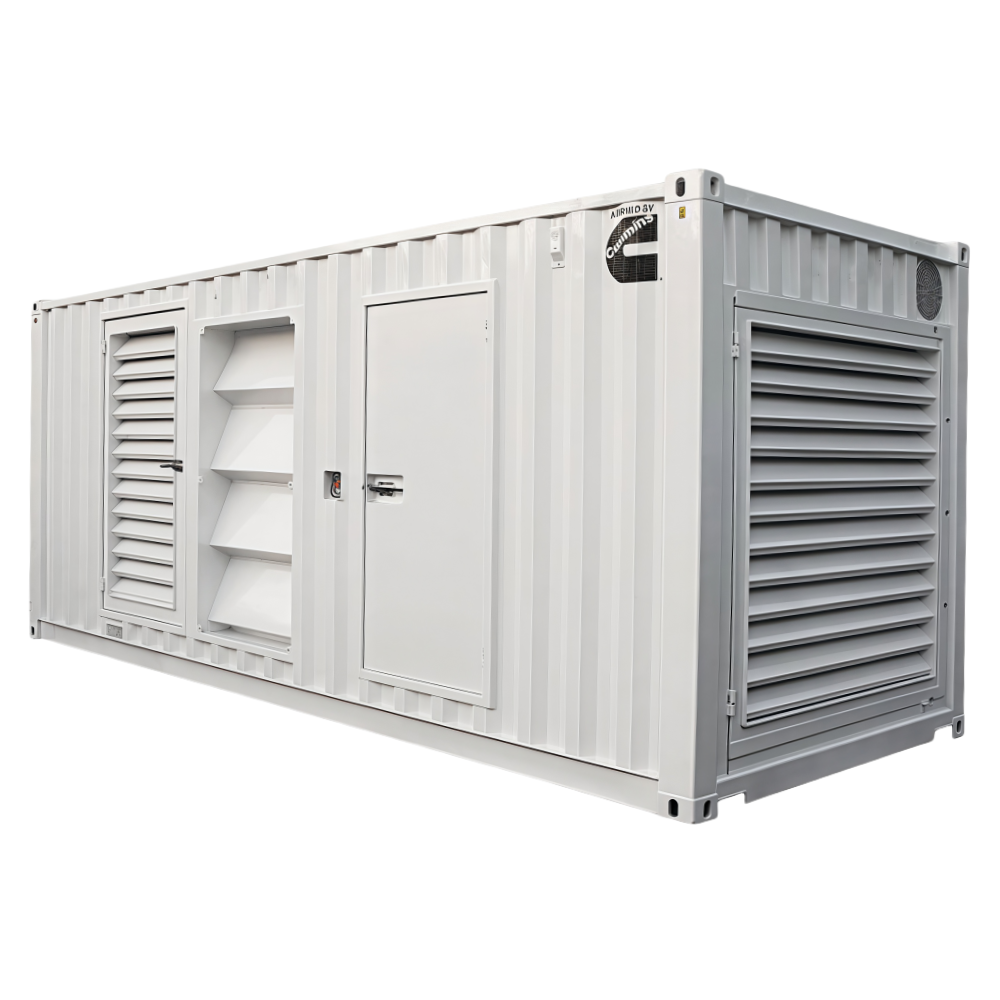
Data centers need to stick within the ISO 20957-3 noise standards that cap daytime levels at 65 dB(A). This isn't just about comfort either—it actually affects how smoothly operations run day to day. The latest generation of ultra quiet diesel generators can get down to around 58 dB(A) at just one meter away from them, similar to what people hear during light rain showers. They accomplish this through special three layer acoustic barriers plus exhaust systems designed to cut down on vibrations. When these sound waves bounce around unchecked inside a facility, they tend to mess with air circulation patterns around servers, eventually causing problems with heat management. And let's not forget the numbers: facilities that go over the 65 dB(A) limit end up dealing with roughly fourteen times as many unexpected shutdowns compared to those who stay compliant, based on research published by the Ponemon Institute last year.
How <55 dB(A) at 7m enables co-location with sensitive infrastructure
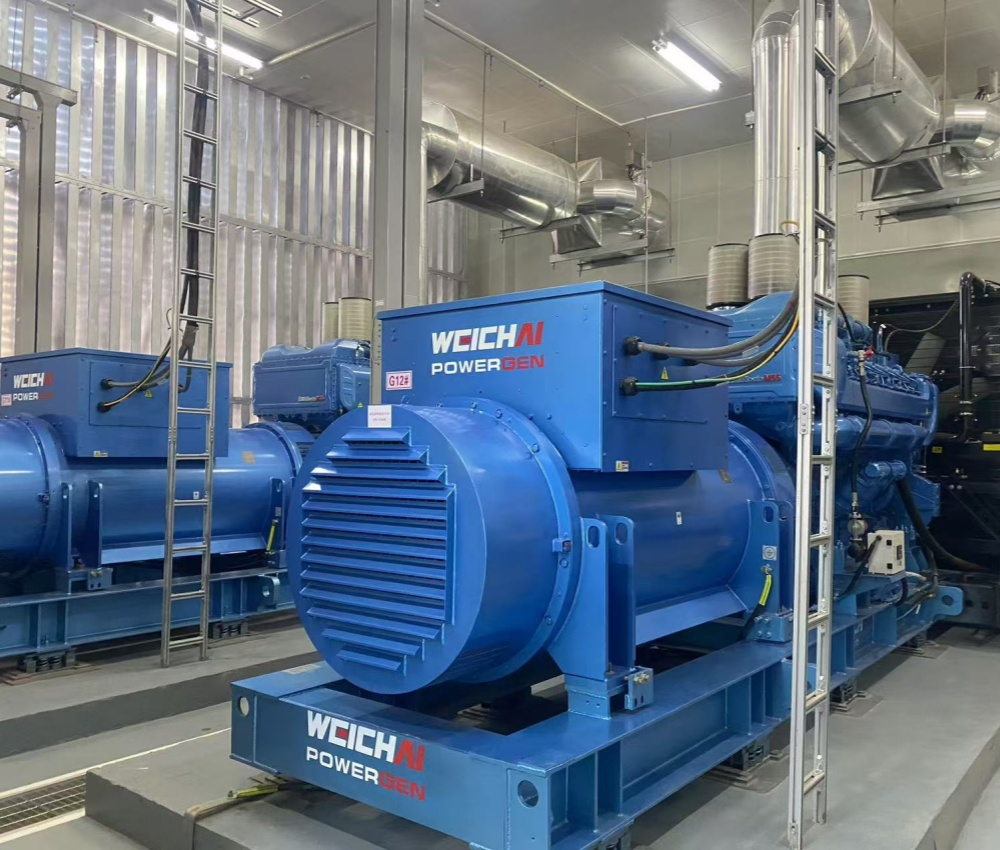
When placing generators no more than 15 meters away from network operations centers, or next to MRI labs and research facilities, the noise level needs to stay below 55 dB(A) at a distance of 7 meters. How do we reach this target? By using special vibration isolated engine platforms combined with Helmholtz resonators. These devices tackle those pesky low frequency vibrations that can actually damage hyperscale server racks over time. The resulting noise level is about what people experience during normal office conversations. This makes sure EMI sensitive areas aren't disturbed. Facilities that stick to this standard typically see around 99.995 percent uptime, which beats the typical industry mark of just under 99.9 percent by quite a margin.
Ensuring Thermal and Vibration Stability for Mission-Critical Power
Dual-stage isolation mounts vs. standard rubber bushings: 40% lower sub-10Hz resonance transmission
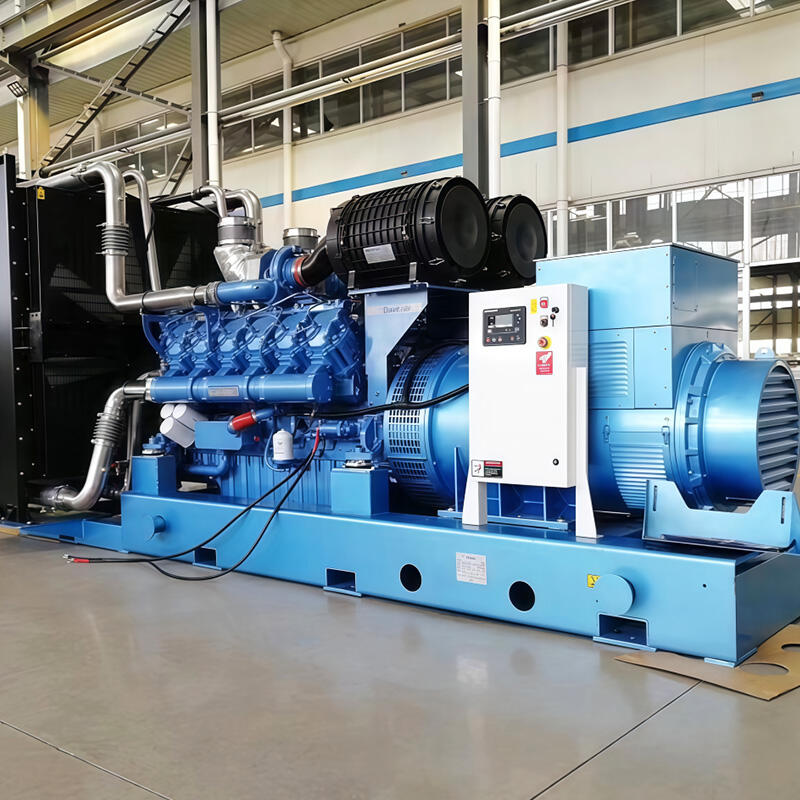
Vibration control is foundational to mission-critical power reliability. Dual-stage isolation mounts reduce sub-10Hz resonance transmission by 40% compared to conventional rubber bushings, effectively decoupling harmonic frequencies from generator frames. This prevents micro-fractures in electrical connections and preserves stable contact surfaces—critical for sustaining uninterrupted operation during prolonged outages.
Cooling system integration in super silent diesel generator enclosures maintains ¤45°C ambient delta under full load
When it comes to thermal management, acoustic considerations simply cannot be ignored. Modern cooling systems use computational fluid dynamics for optimized venting along with multiple stages of filtration. These systems keep temperature differences within about 45 degrees Celsius even when running at maximum capacity inside server rooms where temperatures can go above 35 degrees. Traditional setups usually need separate chillers or complex ducting arrangements, but new enclosure designs handle all the heat internally without compromising sound quality. What this means in practice is continuous operation without performance degradation, meeting all the requirements set out by ASHRAE TC 9.9 standards for data center environments.
Delivering Fuel Efficiency and Load-Responsive Performance—Silently
Electronic governor precision (±0.25% frequency deviation) enabling seamless paralleling with UPS systems
The latest generation of super quiet diesel generators comes equipped with sophisticated electronic governors capable of keeping frequency deviations within about ±0.25%. This helps these machines stay properly synced up with uninterruptible power supply systems when switching between different power sources. Without this kind of precision, there's a risk of phase mismatches happening which can push UPS units into using their batteries unnecessarily. When that happens, it wears down components faster and shortens how long backup power lasts. These modern generators make tiny fuel injection adjustments every millisecond to keep combustion running efficiently no matter what the actual load requirements are. Traditional models tend to waste somewhere around 15% to 22% of fuel when operating below full capacity. Looking at things over ten years or so, all these improvements mean owners spend roughly 24% to 31% less overall on maintenance costs, replacement parts become needed less frequently, and there's better voltage stability whenever there are unexpected spikes in energy demand across facilities.
Achieving Global Regulatory Compliance in One Integrated Design
Dealing with all these international regulations isn't just about ticking boxes for compliance anymore. Take those modern super quiet diesel generators for example. They actually build regulatory compliance right into their basic design. The exhaust treatment systems work hand in hand with soundproof enclosures so they meet both the noise limit of 65 dB(A) at 7 meters according to ISO 8528-5 standards and keep particulate emissions below 0.015 grams per kilowatt hour. What this means is no need to tweak equipment for different regions, which cuts down on certification time by around 40% when deploying new units. Manufacturers run standardized tests based on ISO 8528 guidelines to make sure everything checks out globally. These tests cover major frameworks like UL 2200, CSA C22.2, and the TÜV SÜD Mark too. The result? Equipment that stays compliant even as regulations change over time without needing constant updates.
FAQ
What is ISO 20957-3?
ISO 20957-3 is an international standard that outlines noise control requirements in environments like data centers. It puts a cap on daytime noise levels at 65 dB(A) to ensure smooth operations.
How do ultra quiet diesel generators reduce noise levels?
They use special three-layer acoustic barriers and exhaust systems designed to cut down on vibrations, achieving noise levels as low as 58 dB(A).
What are Helmholtz resonators?
Helmholtz resonators are devices used to tackle low-frequency vibrations, helping to protect sensitive infrastructure and maintain stable operations.
Why is vibration control important for generator reliability?
Vibration control is crucial to prevent micro-fractures in electrical connections, ensuring stable contact surfaces and uninterrupted operation.
What are the benefits of electronic governors in diesel generators?
Electronic governors help maintain precise frequency control, enabling seamless integration with UPS systems and reducing maintenance costs and fuel wastage.