EN
EN



What Is an Open Diesel Generator? Core Design, Components, and Construction-Site Advantages
Defining 'open' — no sound-attenuating enclosure, direct-access architecture
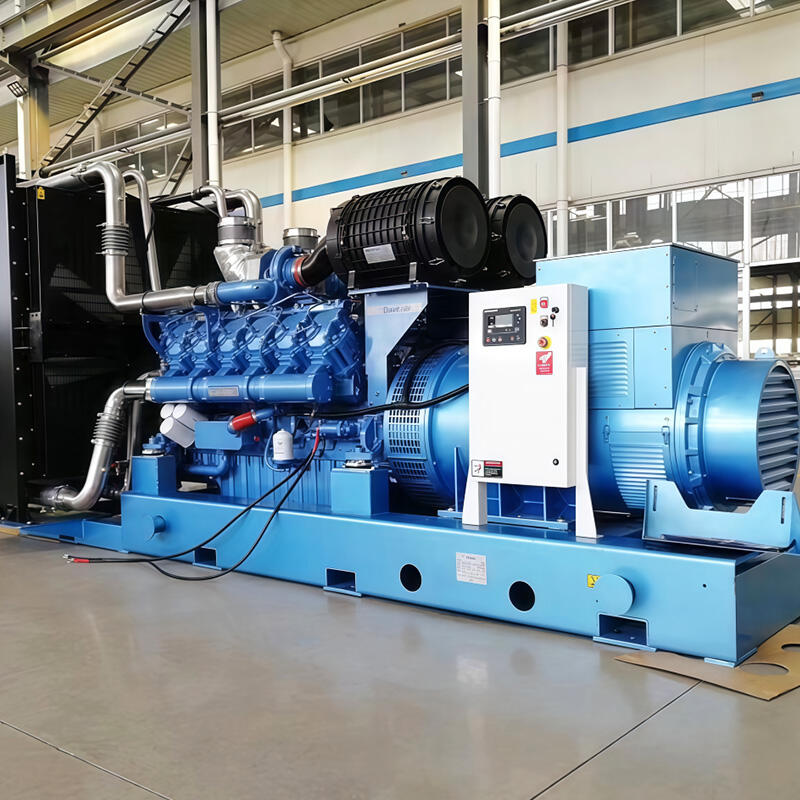
An open diesel generator lacks a sound-attenuating enclosure, featuring direct-access architecture for unimpeded maintenance. This design prioritizes functional simplicity over noise reduction, enabling rapid component servicing in demanding environments.
Essential components: industrial diesel engine, brushless alternator, structural base frame, air-cooled or radiator-based thermal system, and ruggedized control panel
Core components include:
- Industrial diesel engine: Converts fuel into mechanical energy
- Brushless alternator: Generates stable electrical output with minimal harmonic distortion
- Structural base frame: Provides vibration-dampening support and secure mounting
- Thermal management: Air-cooled or radiator-based systems ensure efficient heat dissipation
- Ruggedized control panel: Monitors voltage, frequency, and load in real time under harsh conditions
Why open diesel generator design excels in temporary, high-dust, high-temperature, and space-constrained power plant construction environments
The open configuration delivers critical advantages for construction sites:
- Thermal resilience: Unrestricted airflow prevents overheating in high-ambient temperatures (45°C+)
- Dust tolerance: Direct access simplifies cleaning of air filters and cooling fins, maintaining efficiency in particulate-heavy environments
- Space optimization: 40% smaller footprint versus enclosed units enables deployment in confined work zones
- Rapid maintenance: Field repairs take –50% less time due to unenclosed components, minimizing downtime during critical path activities
Open vs. Enclosed Gensets: Strategic Trade-offs for Construction Deployment
Thermal performance and transient response: how open diesel generator configurations better handle intermittent, high-surge loads during civil and mechanical erection
The open design of diesel generators allows for better cooling when temperatures rise because air can flow freely around them. Generators built this way tend to keep performing well even when there's a sudden jump in power demand from things like welding equipment or pile drivers which happen all the time during foundation projects. According to various power engineering studies, these open units typically stay within about half a percent voltage fluctuation range even under twice their normal load for short periods. The fact that radiators are exposed means they can shed heat much faster after repeated power surges. Enclosed generator models don't handle this as well though. They often shut down automatically when temperatures get too hot, especially during operations involving multiple cranes or ongoing piling work where sustained power output is needed.
Noise, weather exposure, and footprint — evaluating real-world compromises when selecting an open diesel generator for active worksites
These open diesel generators run around 105 to 110 decibels at seven meters distance, so they need careful positioning to stay within OSHA's noise limits. Most contractors plan their heavy workloads for day time and throw up some temporary noise barriers whenever they're close to residential areas or other sensitive spots. Rain can be a problem too, so protection is necessary there. But on the plus side, these units are pretty compact which makes them easier to move around. Construction sites have actually seen about a 40 percent speed boost in moving these generators compared to those big trailer mounted ones. Putting the units next to areas that aren't sensitive and have good air flow helps meet all the regulations while also making it possible to bring systems online in stages without messing up the regular workflow on site.
Sizing and Rating Your Open Diesel Generator for Power Plant Construction Loads
Understanding standby, prime, and continuous ratings — and why NFPA 110 and ISO 8528 compliance guide critical path power decisions
Getting the right operational rating sorted out can save a ton of money down the road on repairs and lost productivity. Standby rated equipment works great for emergencies when the main power goes out, typically handling around two thirds of normal load requirements. Prime rated generators are different beasts altogether though they handle fluctuating workloads day after day without breaking a sweat, making them perfect for ongoing construction projects where power demands constantly change. Continuous rated machines maintain full output all the time, which is exactly what most permanent installations need for their basic electricity needs. Following standards like NFPA 110 and ISO 8528 isn't just paperwork either these specs actually matter when something important happens like pouring concrete at night or erecting steel beams under tight deadlines. The regulations require strict tests for how well generators respond to sudden changes and keep voltages stable, particularly tricky business when running several units simultaneously across big job sites.
Load profiling in practice: capturing crane surges, welding spikes, lighting banks, and commissioning instrumentation demand
Accurate load profiling anticipates real-world demands. Tower cranes generate 200—400% momentary surges during lifting, while arc welding causes irregular 50—150 kVA spikes. Sensitive instrumentation requires stable power with <3% harmonic distortion and less than 1% frequency deviation. Typical site loads include:
- Lighting banks: 20—40 kW sustained
- Pneumatic tools: 15—25 kW intermittent
- Control trailers: 10 kW continuous with UPS backup
Field data confirms that maintaining tight frequency control is essential for calibration and commissioning success.
Derating factors matter: altitude, ambient temperature, dust ingress, and fuel quality impacts on open diesel generator output reliability
When generators face tough operating conditions, their performance starts to drop off noticeably. For every 300 meters gained in elevation, capacity typically decreases around 3.5% because thinner air just doesn't support combustion as well. Things get even worse when temps climb past 50 degrees Celsius, where output plummets somewhere between 15 and 20 percent. Dirty air filters clogged with dust particles can knock another 12% off rated power. And if fuel contains more than half a percent water or sediment, efficiency drops 8 to 10%, plus injectors start wearing out faster than normal. Smart operators know this stuff matters a lot during construction projects or rainy season operations. That's why experienced technicians often recommend cutting back on open diesel generators by about 25% over what's printed on the spec sheet. This extra margin helps absorb all those environmental hits that tend to pile up together in real world situations.
On-Site Integration: Ventilation, Grounding, and Environmental Safeguards for Open Diesel Generators
Safe exhaust routing and airflow management — avoiding recirculation and heat buildup near scaffolding, cranes, and control rooms
Good ventilation matters a lot for safety and performance. The exhaust should go straight up through insulated stacks, keeping at least ten feet away from anything like scaffolding, cranes or those temporary control rooms people set up on site. When placing these units, make sure they face away from where the wind typically blows so fumes don't just circle back around. Also important to keep an eye on carbon monoxide levels with proper gas detection equipment throughout the area. For radiators specifically, there needs to be about three feet of space around them on every side. This becomes even more crucial when working in dusty conditions because dust buildup can really mess with cooling effectiveness. Studies show that clogged radiator fins can cut cooling power down by as much as forty percent according to recent research published in Power Engineering Journal last year.
Grounding, bonding, and surge protection for sensitive commissioning equipment powered by open diesel generators
Protect instrumentation with robust electrical safeguards:
- Ground generators using driven copper rods (–25-ohm resistance) bonded to the base frame
- Install grounding conductors sized per NEC Table 250.122
- Fit transient voltage surge suppressors (TVSS) on all control circuits
Isolated ground buses prevent stray currents from welding operations from damaging calibration systems. For critical loads like turbine controls, place double-conversion UPS units between the generator and equipment to eliminate voltage sags during load transitions.
Compliance and Logistics: Noise, Emissions, and Fuel Management for Open Diesel Generators on Construction Sites
Diesel generators running open typically hit around 105 to 110 decibels A-weighted, so they need careful positioning if we want to stay within both OSHA regulations and whatever local noise restrictions apply. Field crews usually put up temporary sound barriers or schedule heavy duty work during times when nearby residents won't complain too much. When it comes to emissions, there are strict rules everywhere now about things like particulate matter and nitrogen oxides under standards like the EPA's Tier 4 requirements. How efficient these machines actually run depends quite a bit on their workload and how well maintained they are, generally somewhere between 0.28 and 0.35 liters per kilowatt hour. We recommend checking fuel quality every day and having proper containment systems ready just in case something goes wrong and causes contamination issues. For projects in really harsh conditions, investing in specially designed shelters makes all the difference. Think heated canopies equipped with triple layer filters against dust and moisture. One job site in the Arctic last year reported cutting maintenance delays by about forty percent after switching to this kind of protection. Getting all these operational details sorted out before starting any major project is absolutely critical for keeping everything running smoothly without unexpected interruptions.
FAQs
-
What is an open diesel generator?
An open diesel generator is one that lacks a sound-attenuating enclosure, allowing direct access to components for easy maintenance. -
What are the advantages of open diesel generators for construction sites?
Open diesel generators offer thermal resilience, dust tolerance, space optimization, and rapid maintenance, which are beneficial for temporary, high-dust, high-temperature, and space-constrained construction environments. -
How do open diesel generators handle surge power demands during construction?
Open diesel generators handle surge power demands better due to unrestricted airflow and exposed radiators, allowing them to maintain stable performance even during high load spikes. -
What are the considerations for positioning open diesel generators on a construction site?
The positioning requires careful consideration of noise levels, weather protection, and airflow management to avoid recirculation and heat buildup. -
How does altitude affect open diesel generator performance?
At higher elevations, generator capacity decreases by approximately 3.5% for every 300 meters due to reduced air density. -
Why is load profiling important for open diesel generators?
Load profiling helps anticipate real-world demands such as crane surges or welding spikes, ensuring the generator can handle these fluctuations without compromising stability.
Table of Contents
-
What Is an Open Diesel Generator? Core Design, Components, and Construction-Site Advantages
- Defining 'open' — no sound-attenuating enclosure, direct-access architecture
- Essential components: industrial diesel engine, brushless alternator, structural base frame, air-cooled or radiator-based thermal system, and ruggedized control panel
- Why open diesel generator design excels in temporary, high-dust, high-temperature, and space-constrained power plant construction environments
-
Open vs. Enclosed Gensets: Strategic Trade-offs for Construction Deployment
- Thermal performance and transient response: how open diesel generator configurations better handle intermittent, high-surge loads during civil and mechanical erection
- Noise, weather exposure, and footprint — evaluating real-world compromises when selecting an open diesel generator for active worksites
-
Sizing and Rating Your Open Diesel Generator for Power Plant Construction Loads
- Understanding standby, prime, and continuous ratings — and why NFPA 110 and ISO 8528 compliance guide critical path power decisions
- Load profiling in practice: capturing crane surges, welding spikes, lighting banks, and commissioning instrumentation demand
- Derating factors matter: altitude, ambient temperature, dust ingress, and fuel quality impacts on open diesel generator output reliability
- On-Site Integration: Ventilation, Grounding, and Environmental Safeguards for Open Diesel Generators
- Compliance and Logistics: Noise, Emissions, and Fuel Management for Open Diesel Generators on Construction Sites
- FAQs