EN
EN



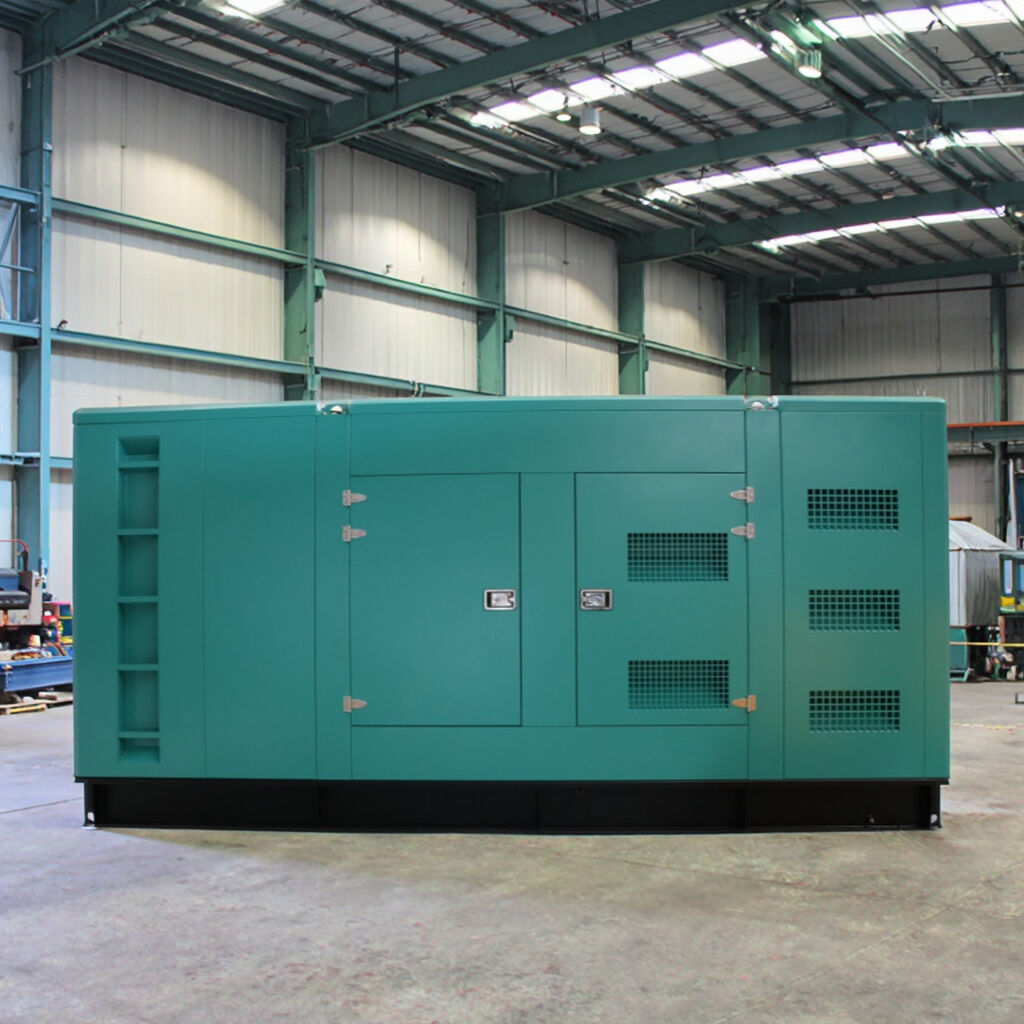
Continuous-Rated Diesel Generator Sets for Power Plant Baseload and Black-Start Duty
Why continuous rating—not prime or standby—is non-negotiable for 8,760-hour/year power plant operation
Diesel generator sets rated for continuous operation play a vital role in power plants that run nonstop throughout the year. These generators are built specifically to handle maximum load constantly without any performance reduction. Prime-rated units work differently since they're meant for changing loads with some flexibility for overloads up to 10%. Standby-rated models only kick in during emergencies. Continuous-rated generators come equipped with stronger crankshafts, better cooling mechanisms, and improved insulation on their alternators to deal with constant heat and mechanical strain. According to Power Engineering from 2023, pushing a standby unit beyond its limits even slightly, say around 10%, can cut its life expectancy down by nearly a third. That makes them completely unsuitable for regular baseline power generation tasks. Plants needing reliable power all 8,760 hours of the year simply cannot afford to skip continuous ratings. It forms the backbone of stable grid operations, meets necessary regulations, and most importantly prevents expensive unplanned shutdowns that disrupt service and cost money.
IEEE 1373-compliant black-start capability: excitation, voltage build-up, and islanded grid synchronization
When following IEEE 1373 standards, diesel generators gain what's called black-start capability, allowing them to start building voltage and bring power back online all by themselves after a complete blackout happens in the grid, without needing any outside AC or DC power sources. The whole thing works because of fast field excitation that keeps going on its own, accurate control of voltage levels, and smart synchronization tech that can match up with the isolated grid's frequency and phase really quickly, sometimes within just a few thousandths of a second. Getting this right actually reduces how long it takes to get power restored by more than half when compared to older systems that don't meet these standards according to IEEE research from last year. Meeting these requirements also means better control over excitation when there's little or no load on the system, which makes all the difference for bringing essential parts of the plant back online reliably. Think about things like feedwater pumps keeping water moving, backup power for control systems, and monitoring equipment in the switchyard. For power plants that help keep the grid strong during emergencies, having this kind of capability isn't just nice to have anymore. It's basically required by regulations set out in NERC PRC-005 and mandated by FERC for maintaining overall grid reliability.
Scalable Redundancy and Stable Parallel Operation of Diesel Generator Sets
N+1 vs. 2N redundancy models aligned with NFPA 110 Level 1 and power plant criticality requirements
The redundancy strategy needs to fit what's actually important about the facility, not just meet the bare minimum requirements set by codes. According to NFPA 110 Level 1 standards, emergency power systems for life safety and critical infrastructure should have N+1 redundancy. That basically means having one extra backup generator that can handle the full load when needed. For Tier 3 facilities like big combined cycle plants where outages aren't catastrophic but still costly, this approach works well enough from a budget standpoint. However, there are still vulnerabilities during routine maintenance or unexpected equipment failures. When we look at Tier 4 installations such as nuclear plants or secure power generation centers, things change completely. These locations require 2N architecture, which duplicates every component in the system. This eliminates any single point of failure along the entire chain from fuel delivery through control systems to actual power conversion. The numbers back this up too. Real world data indicates that 2N setups cut down on unplanned outages by around 92% compared to N+1 configurations according to Ponemon Institute research from last year. Considering how much money gets lost per hour when these ultra critical sites go dark ($740k plus), investing in proper redundancy makes business sense beyond just ticking boxes for regulatory compliance.
Isochronous control for dynamic load sharing across 4–8 paralleled diesel generator sets
For stable and scalable parallel operation of 4 to 8 diesel generators, isochronous speed control stands as a must-have requirement. Droop control works differently by letting frequency drop when loads increase, but isochronous keeps engine speed steady no matter what happens with the load. This stability lets the system share loads proportionally in real time with about 2% accuracy. Modern digital governors constantly tweak fuel rack positions and alternator excitation currents to keep kW and kVAR balanced across all units. This helps prevent those dangerous overload situations that can happen during sudden load changes or when bringing new generators online. There are concrete benefits from this level of precision. First off, it stops individual units from getting overloaded during those unexpected demand surges. Second, bearings last around 45% longer since mechanical stress gets distributed evenly across all components. And third, systems integrate smoothly into black start procedures where isolated grids need immediate load acceptance without any frequency issues or instability problems. Try running more than two units together without proper isochronous control and operators face serious risks including circulating currents, faulty relay operations, and unnecessary trips from protection systems that just aren't worth the headache.
Fuel Resilience, Environmental Adaptation, and SCADA Integration for Diesel Generator Sets
72–168-Hour Fuel Autonomy: ASTM D975 Compliance, On-Site Tank Corrosion Mitigation, and Cold-Weather Operability
Fuel autonomy isn't something to think about later—it needs to be built right into the design from day one. Most power plants need diesel generators that can run nonstop for anywhere between three days and seven days straight. The onsite fuel storage must meet ASTM D975 standards for grade number two diesel with ultra low sulfur content. Why does this matter? Because it keeps the cetane levels stable, maintains proper distillation ranges, and prevents oxidation issues—all essential for clean burning and keeping those expensive injectors working properly over time. Corrosion problems in big storage tanks are another major concern. When water gets into the tanks, microbes start growing and eating away at both the fuel quality and tank structure itself. Good installations combat this with things like cathodic protection systems, tanks lined with epoxy coatings, and automatic water detection systems that trigger alarms when they find moisture. Cold weather presents its own challenges too. Plants operating below minus twenty degrees Celsius need special equipment like heated fuel lines, engine block heaters, and insulated enclosures to keep the fuel thick enough according to ASTM specs while still allowing oil to flow when starting up. All these components work together through SCADA systems which constantly watch fuel levels, track temperature changes, detect water contamination, and monitor tank pressures. If anything goes wrong—like fuel separating into different layers or pH levels shifting due to microbial growth—the system automatically responds. This comprehensive approach to fuel management isn't just good practice, it's actually required under regulations like FERC Order 881 and NERC CIP-014 for reliable operations.
Predictive Maintenance and Cybersecurity in Modern Diesel Generator Set Operations
IoT-driven predictive maintenance: oil analysis and bearing wear detection (EPRI 2024 field validation)
The shift to IoT based predictive maintenance has changed how we think about diesel generator reliability, moving away from those old calendar based schedules toward actual conditions that matter. The system uses embedded sensors that keep an eye on things like oil viscosity, acidity levels, particulate counts, and even dissolved metals in the lubricants. These sensors can spot when the oil starts breaking down as much as 300 hours before serious damage might occur. At the same time, these systems analyze vibrations at high frequencies to catch problems with bearings early on, including issues with the cage wearing out, pits forming on the raceways, and alignment problems too. According to EPRI's field tests in 2024 at twelve different utility owned power stations, this approach cut down unplanned outages by around 25% and extended component life expectancy by approximately 18% compared to traditional maintenance methods based solely on time intervals. Smart machine learning software then takes all these sensor readings and figures out the best times for maintenance work, usually predicting within seven days when action is needed. This allows better planning for spare parts inventory, scheduling technicians, and coordinating maintenance periods while still keeping operations running smoothly.
NIST SP 800-82-aligned network segmentation to secure diesel generator set PLCs and SCADA interfaces
Security for diesel generators isn't just an afterthought anymore but actually built right into how these systems operate. According to guidelines from NIST SP 800-82 on industrial control system security, today's installations typically separate different components using strict network boundaries. The programmable logic controllers (PLCs), human machine interfaces (HMIs), and protective relays for generators live in their own special area that's physically separated from regular company networks and blocked off from outside internet connections through one-way data transfer devices or strong firewall hardware. Access controls based on roles limit who can make changes at the engineering level, requiring multiple forms of verification before allowing modifications. All the monitoring data travels securely between local panels and central supervisory control and data acquisition systems thanks to encrypted TLS 1.3 connections. This kind of separation cuts down potential vulnerabilities by around 70 percent and stops attackers from moving laterally across systems even when nearby equipment gets hacked. What matters most though is keeping operations running smoothly. Commands to start or stop generators, signals for sharing loads, and procedures for restarting power after outages continue working properly during cyber attacks, which meets important standards set by NERC CIP-005-6 and TSA Directive PPD-21 for protecting essential infrastructure.
FAQs
What is the significance of continuous-rated diesel generators in power plants?
Continuous-rated diesel generators are crucial for power plants that operate nonstop throughout the year. They are specifically designed to handle maximum loads constantly without performance reductions, ensuring reliable power supply and preventing costly unplanned shutdowns.
How does IEEE 1373 compliance benefit diesel generator sets?
IEEE 1373 compliance provides diesel generator sets with black-start capability, allowing them to independently build voltage and restore power after a grid blackout. This reduces restoration time and ensures essential parts of the plant come online reliably during emergencies.
What redundancy models align with NFPA 110 standards?
NFPA 110 standards suggest N+1 redundancy for emergency power systems, meaning one extra backup generator is available. For high-criticality sites like nuclear plants, 2N redundancy, which duplicates every component, is necessary to avoid single points of failure.
Why is fuel autonomy important for diesel generators?
Fuel autonomy, which ensures generators can operate continuously for 72 to 168 hours, is essential for maintaining reliable power supply during extended periods. Compliance with ASTM D975 and appropriate designs help manage fuel quality and prevent storage issues like corrosion.
How do IoT solutions improve maintenance of diesel generators?
IoT-driven predictive maintenance uses sensors to monitor conditions like oil quality and bearing wear, enabling timely interventions and reducing unplanned outages. This improves reliability and extends the life of generator components.
What cybersecurity measures are recommended for diesel generator systems?
For cybersecurity, diesel generator systems should have network segmentation (as recommended by NIST SP 800-82), with PLCs and SCADA interfaces in isolated networks and encrypted communications to protect against cyber threats and maintain operational continuity.
Table of Contents
- Continuous-Rated Diesel Generator Sets for Power Plant Baseload and Black-Start Duty
- Scalable Redundancy and Stable Parallel Operation of Diesel Generator Sets
- Fuel Resilience, Environmental Adaptation, and SCADA Integration for Diesel Generator Sets
- Predictive Maintenance and Cybersecurity in Modern Diesel Generator Set Operations