EN
EN



Ensuring Mission-Critical Uptime with Reliable Backup Power
The Role of Diesel Generators in Redundant Data Center Infrastructure
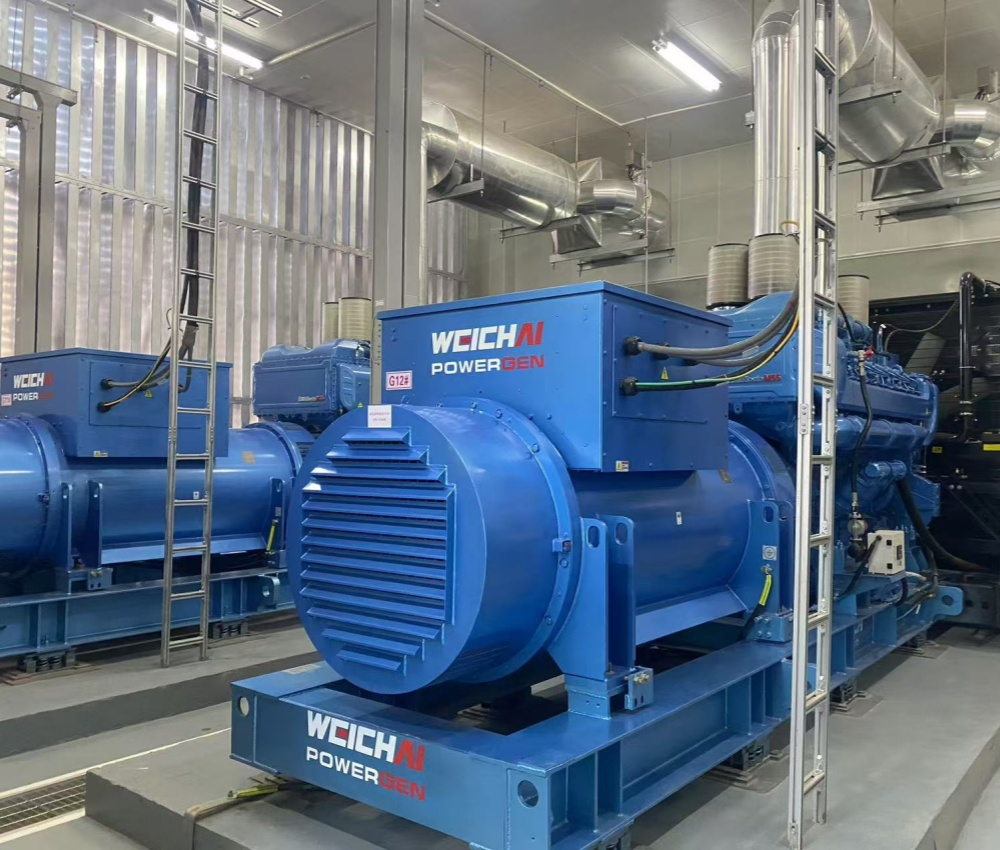
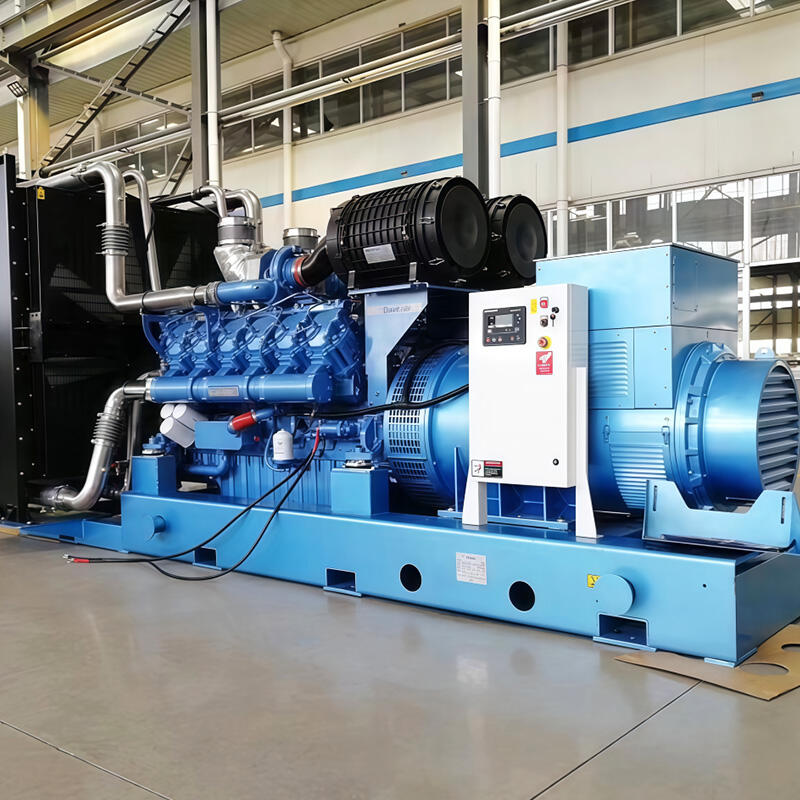
Silent diesel generators serve as the core component for backup power in today's data centers, providing that crucial failover support when regular electricity goes down. The highest tier facilities, those rated Tier IV, typically implement redundancy setups ranging from N+1 up to 2N+1 configurations. This approach basically removes any single point that could cause a system-wide failure, keeping operations running smoothly even during blackouts. What sets these super quiet versions apart from standard models is their ability to stay just as reliable but produce far less noise pollution. That makes all the difference in settings where maintaining optimal performance levels matters alongside controlling environmental factors like sound levels in surrounding areas.
Backup Power Criticality During Grid Outages and Seamless Failover
Unplanned downtime costs data centers an average of $740k/hour (Ponemon 2023), underscoring the need for instantaneous power transition. Super silent diesel generators achieve startup in under 500ms through optimized combustion and pre-lubrication systems. When integrated with paralleling switchgear, they ensure:
- Voltage stability during load transfers
- Prevention of data corruption during grid-to-generator transitions
- Support for concurrent maintenance without service interruption
This rapid response capability is essential for maintaining operational continuity across mission-critical applications.
Integration With ATS, UPS, and BMS for Zero Downtime and Real-Time Monitoring
Seamless integration is achieved via ATS (Automatic Transfer Switch) controllers that detect power anomalies within ¼ cycles. Combined with UPS battery buffers and Building Management Systems (BMS), these generators enable a layered resilience strategy:
| System | Function | Response Time |
|---|---|---|
| UPS | Immediate bridge power (0-10ms) | 2-5ms detection |
| ATS | Initiate generator startup sequence | 50-100ms |
| BMS Integration | Continuous load monitoring & load shedding | 24/7 analytics |
This orchestration enables total transfer times under 100ms. Programmable logic controllers allow engineers to prioritize critical loads, preserving rack integrity during extended outages.
## How Super Silent Diesel Generators Achieve Ultra-Low Noise Operation ### Acoustic Insulation and Sound-Attenuated Enclosures in Super Silent Diesel Generator Design These generators employ multi-layered composite panels filled with noise-absorbing materials such as mass-loaded vinyl and acoustic foam to suppress airborne sound. Enclosures are engineered using computational fluid dynamics (CFD) to balance airflow efficiency with high-frequency noise containment. Independent testing confirms 40% lower emissions than standard units, operating below 55 dBA at 7 meters — quieter than typical suburban background noise (IEEE Power Society, 2023). ### Vibration Damping and Advanced Exhaust Silencing Technologies Anti-vibration mounts and flexible couplings isolate mechanical resonance between engine, alternator, and housing. High-efficiency mufflers equipped with Helmholtz resonators cancel low-frequency exhaust pulses, while double-wall piping reduces structure-borne transmission. In controlled tests, this design cuts vibration by 82% and exhaust noise by 35 dB(A), enabling continuous operation near sensitive equipment without interference. ### Compliance With Strict Noise Regulations (<55 dBA at 7 Meters) and ISO Standards Units meet or exceed ISO 8528-5 (reciprocating engine generator sets) and ISO 3744 (acoustic measurement) standards through certified test protocols. Third-party verification ensures compliance with urban noise regulations like EU Directive 2000/14/EC, permitting installation within 15 meters of residential areas. Onboard monitoring systems dynamically adjust damping parameters to maintain legal limits during load fluctuations.Reducing Environmental Impact in Urban and Sensitive Locations
Use of Super Silent Diesel Generators in Metropolitan Data Centers
Data centers in big cities like New York and Tokyo frequently sit just about 50 meters away from where people live. The really quiet diesel generators these facilities use keep their noise down to under 55 decibels at seven meters distance, which is actually quieter than most regular heating, ventilation and air conditioning systems. This means they can follow those tough local noise regulations, including the 60 decibel limit set for nighttime operations in New York City according to section 24-218 of the municipal code. With this kind of sound control, companies get dependable emergency power solutions while staying within what the city allows for noise levels around residential areas.
Minimizing Noise Pollution in Hospitals, Campuses, and Co-Location Facilities
Places like hospitals and university campuses really need silent failover systems so they don't cause any interruptions during critical operations. The triple layer enclosures combined with those special mounts that isolate vibrations cut down noise levels anywhere between 60 to 70 percent when compared to regular generators. Hospitals have to follow World Health Organization guidelines which specify maximum noise levels below 35 decibels in patient areas. Similarly important for schools running exams where students need quiet environments. A recent study published by ASHRAE back in 2023 found something interesting too. Facilities that switched to these ultra quiet generator models saw around 28 percent drop in complaints from nearby buildings about noise disturbances. Makes sense really when considering how sensitive these locations are to sound pollution.
Supporting Sustainable Urban Infrastructure with Low-Noise Operation
When these generators comply with ISO 3744:2019 requirements, they actually help buildings earn points toward their LEED certifications for green construction. Installing them at locations connected to smart grids means we don't have to depend so much on those dirty old peaker plants when there's a blackout. According to research from the Urban Energy Institute back in 2024, this approach cuts down city carbon dioxide emissions by around 17% each time it happens. For places like downtown areas with apartment complexes and retail spaces all mixed together, having reliable electricity while still keeping neighborhoods pleasant to live in becomes possible through solutions like these.
Meeting the Growing Demand for Quiet, High-Availability Power Solutions
Rising Adoption of Super Silent Diesel Generators in Tier IV Data Centers
Tier IV data centers need to maintain around 99.995% uptime, which is why many are turning to super quiet diesel generators that offer both reliability and noise control. The facilities typically implement either N+1 or 2N+1 redundancy setups, meaning there's always backup power available. Standby units must run under 55 decibels according to city noise rules. Looking at recent industry data, a study from 2023 examined 45 such centers and discovered that about 82% have switched to these sound dampened generators. That's actually quite a jump from just 68% back in 2020. The trend shows how regulations are getting stricter while tenants increasingly expect their data operations to be considerate neighbors in urban areas.
Trend Toward Minimal Noise Disturbance in Modern Mission-Critical Facilities
About 76% of new data centers built in cities these days are going with backup systems that stay under 60 decibels. They see controlling noise levels not just as a requirement but actually something that sets them apart from competitors. We're seeing similar interest in places like hospitals and university campuses too. These super quiet generators can sit much closer to areas where people need peace and quiet. Instead of needing space buffers of hundreds of meters like older models required, they work fine within about 50 meters of sensitive locations. That's roughly 40% less space needed between equipment and living areas. Companies are also using modular soundproof boxes around generators and implementing smart systems that adjust power loads automatically. All these measures help cut down on noticeable sounds when switching between power sources. As a result, data centers can run non-stop without giving nearby residents headaches or sleepless nights.
Enhancing Reliability and Redundancy for 24/7 Data Center Operations
Technical Superiority of Super Silent Diesel Generators for Continuous Operation
The generators come with better cooling systems, parts that resist corrosion, and built-in analytics that keep them running almost all the time even when working hard continuously. The smart algorithms inside these machines actually change how much power they produce depending on what's needed right now, which cuts down on wear and tear by about 18 percent over regular models according to a report from Ponemon back in 2023. What makes this tech so good is that it meets those tough Tier IV standards for maintenance while still keeping everything running smoothly. Technicians can service individual parts without shutting down the whole system, something that saves a lot of downtime in real world applications.
Redundancy Protocols (e.g., 2N+1) and Failover Reliability
More and more facilities are going with what's called 2N+1 redundancy these days. Basically, this means having two main generators handling all the power needs while keeping a third generator ready to jump in instantly if something goes wrong. The setup gets recovery times down to under a second when there's a power outage from the grid, which matters a lot for things like stock trading systems and hospitals that can't afford any downtime. To make sure everything stays running smoothly even during emergencies, many setups include separate fuel supplies for each generator plus exhaust systems that connect across different units. These design choices remove those vulnerable spots where one problem could bring down the whole operation.
Ensuring Uninterrupted Performance in Mission-Critical Environments
According to research from the Uptime Institute in 2022, about 40 percent of folks running data centers put redundant power at the top of their priority list when dealing with critical areas such as hospitals and self-driving car systems. These super quiet diesel generators come equipped with special bases designed to withstand earthquakes in certain regions, plus they have air filters that resist moisture buildup in damp areas. The noise level stays below 55 decibels even when placed just ten meters away from delicate gear like robotic surgery tools and those powerful AI computing setups. What's really important is that these generators don't create any electromagnetic interference either, so everything keeps working smoothly no matter how tough the conditions get out there.
FAQ
What is the benefit of using super silent diesel generators in data centers?
Super silent diesel generators provide reliable backup power while minimizing noise pollution. They comply with strict noise regulations, making them suitable for urban and sensitive locations like hospitals and university campuses.
How quickly can these generators provide backup power during a grid outage?
These generators can achieve startup in under 500ms, ensuring rapid backup power availability during unexpected outages, which is crucial for maintaining operational continuity in data centers.
What is the significance of redundancy setups like 2N+1?
Redundancy setups like 2N+1 ensure that there are multiple layers of backup, minimizing any risk of service interruption even if there's a failure in one part of the system. This is vital for mission-critical operations that require continuous uptime.
How do these generators help in reducing environmental impacts?
Super silent diesel generators comply with urban noise regulations and reduce noise pollution, contributing to sustainable urban infrastructure. They also help cut down carbon emissions by reducing reliance on older, less efficient power sources.
What measures are taken to minimize noise in sensitive environments?
Advanced sound attenuation technologies such as acoustic insulation, vibration damping, and sound-attenuated enclosures are used to minimize noise, ensuring these generators operate below 55 dBA at seven meters, making them ideal for sensitive environments.
Table of Contents
- Ensuring Mission-Critical Uptime with Reliable Backup Power
- Reducing Environmental Impact in Urban and Sensitive Locations
- Meeting the Growing Demand for Quiet, High-Availability Power Solutions
- Enhancing Reliability and Redundancy for 24/7 Data Center Operations
-
FAQ
- What is the benefit of using super silent diesel generators in data centers?
- How quickly can these generators provide backup power during a grid outage?
- What is the significance of redundancy setups like 2N+1?
- How do these generators help in reducing environmental impacts?
- What measures are taken to minimize noise in sensitive environments?