EN
EN



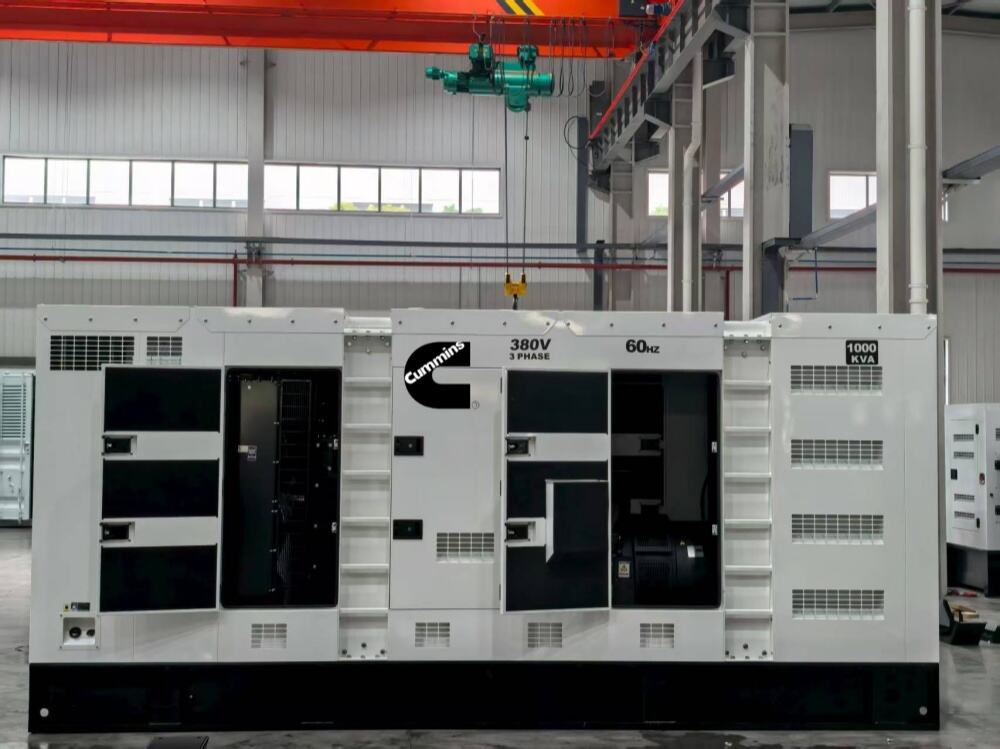
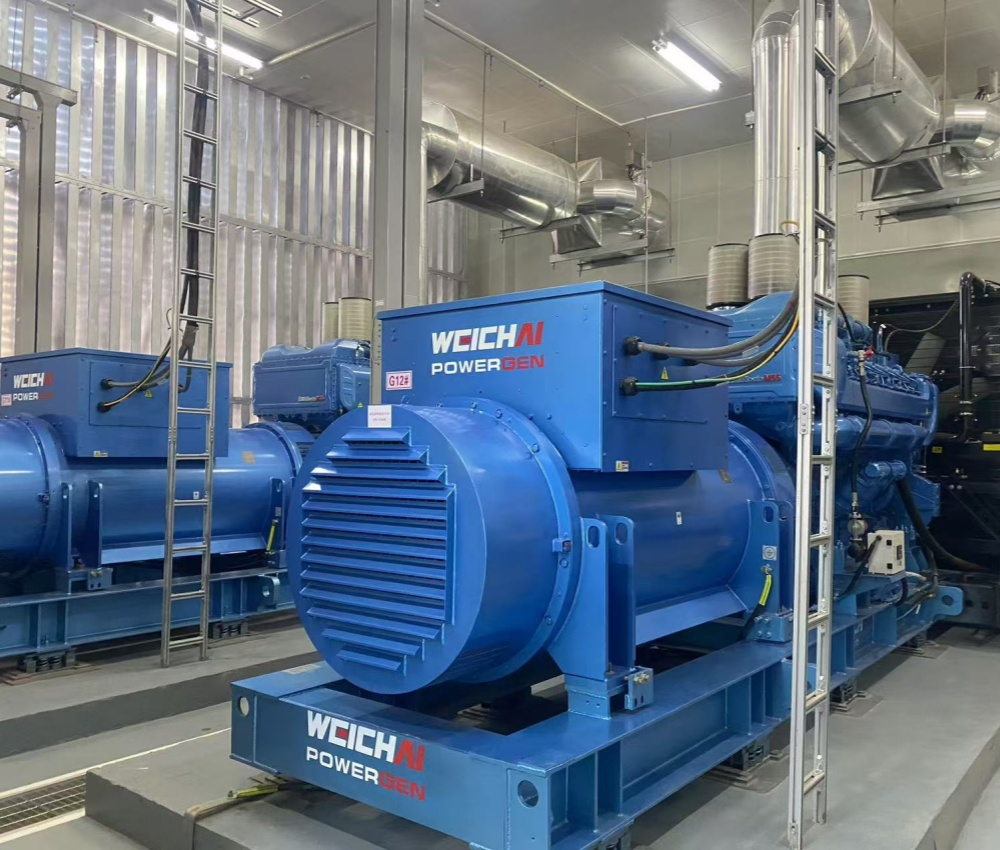
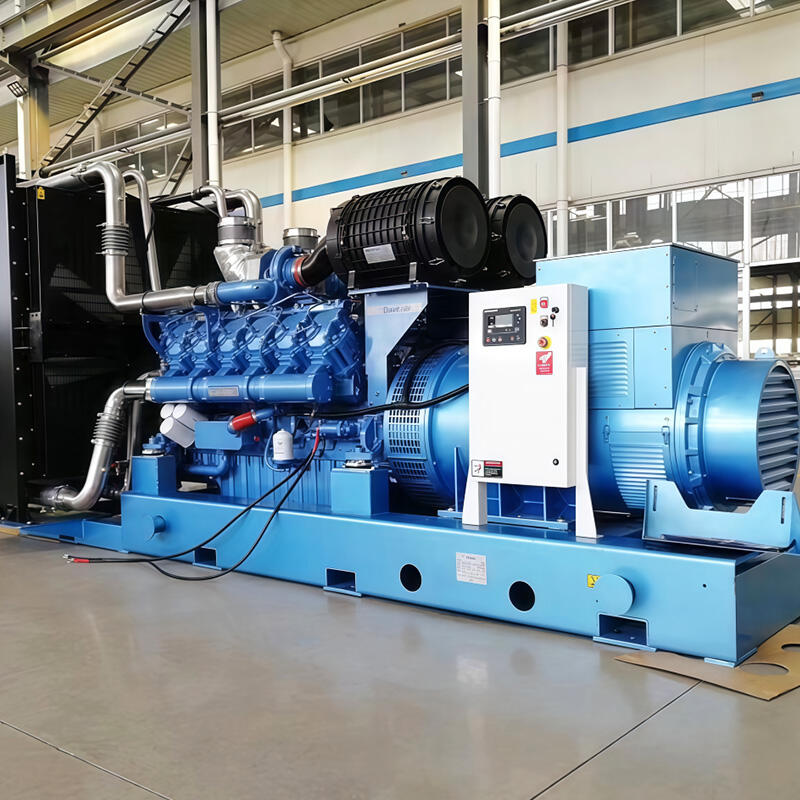
The Critical Role of Industrial Diesel Generators in Power Plant Construction
Phenomenon: Rising Dependence on Reliable On-Site Power During Construction
Power plant development in recent years has seen a growing dependence on industrial diesel generators, especially where the electrical grid is unreliable or completely absent. According to research published by the Ponemon Institute last year, around three out of four major construction operations are turning to portable power solutions because regular grid service keeps getting disrupted more often these days, particularly during severe weather events. The diesel units keep everything running smoothly for essential machinery such as those massive tower cranes that typically need about 120 kilowatts to operate properly. Then there are the concrete batching plants which require between 200 to 400 kilovolt-amperes worth of power just to mix materials correctly. Without this backup power source, many construction timelines would be constantly delayed.
Principle: How Industrial Diesel Generators Support Prime Power Needs
Diesel generators are still king when it comes to providing main power for construction sites because they run about 30 to 40 percent more efficiently than those natural gas options. Standby generators sit idle most of the time, but prime-rated ones work nonstop at loads between 70 and 100 percent. They keep the power steady even when there's a big jump in demand from things like welding equipment or water pumps. The best generator makers have figured out ways to make this happen with special turbo systems and smart computer controls. These advanced ECUs can tweak fuel delivery in just half a second after any sudden change in power needs, which makes all the difference on busy job sites where power requirements constantly fluctuate throughout the day.
Case Study: Deployment in a Major Off-Grid Power Plant Project in Texas
A recent 2.4 GW combined-cycle plant project in West Texas demonstrated the capabilities of industrial diesel generators in off-grid environments. Three 1,500 kVA trailer-mounted units supplied power for 18 months, achieving 99.8% uptime despite temperature swings from 14°F to 113°F. The system powered:
- Five 350-ton crawler cranes (peak 275 kVA each)
- Continuous operation of 18 concrete pumps (180 kVA total)
- Nighttime security/lighting systems across 1,200-acre site
Fuel consumption averaged 0.28 liters/kWh, reducing refueling frequency to twice weekly via automated tank monitoring.
Trend: Integration of Diesel Generators in Hybrid Construction Energy Systems
Industry reports from 2024 indicate that around 42 percent of all new power plant developments are combining traditional diesel generators with solar panels plus battery storage solutions as a way to cut down on fuel expenses. Take for instance a recent project at a wind farm being built in Wyoming where they installed such a hybrid setup. The results were pretty impressive actually - diesel usage dropped by about 31%. They achieved this thanks to intelligent control systems that favor solar power during the day but still keep the backup generator ready to kick in within just ten seconds if needed for emergency situations involving up to 500 kVA loads. What makes these configurations work so well is their ability to seamlessly blend different energy sources together through sophisticated switching equipment. Even when switching from one power source to another, total harmonic distortion stays under 2%, which ensures stable electricity supply without any noticeable fluctuations.
Ensuring Reliable and Consistent Power Supply with Industrial Diesel Generators
Uninterrupted Operations Despite Grid Instability
The numbers tell a pretty clear story construction sites experience about 37 percent more power cuts compared to regular buildings because all those temporary machines put extra stress on the electrical grid according to the U.S. Energy Atlas report from last year. That's where industrial diesel generators come into play they basically take over when there are brownouts, dips in voltage, or complete blackouts. Think about it when big excavators start running full blast during intense digging operations, they can actually overload nearby substations. At those moments, the backup generators kick in and handle all the electricity needs themselves. This prevents expensive delays that can cost around twelve thousand eight hundred dollars every single hour on major construction jobs.
Engine Design and Load Response for Stable Output
Modern units achieve ±1% voltage regulation through three critical innovations:
| Feature | Performance Impact |
|---|---|
| Variable-speed turbochargers | Maintain optimal air-fuel ratios from 30–100% load |
| Dual-stage filtration | Ensures 99.9% clean combustion at 200+ PSI |
| Adaptive cooling | Sustains 65°C coolant temps during 48-hour continuous runs |
This engineering enables immediate response to load spikes from welding arrays or concrete pourers, with 0–100% load absorption in under 8 seconds.
Case Study: 99.8% Uptime Achieved at a Nevada Solar Plant Construction Site
A 650 MW solar installation used eight 2.5 MW industrial diesel generators to power crane operations, slurry mixers, and worker facilities across 14 months. Despite 120+ daily load fluctuations and 40°C temperature swings, the system:
- Maintained 480V ±2% across all phases
- Automated fuel delivery via IoT tank monitors
- Completed 7,200 runtime hours with zero unplanned shutdowns
The project avoided an estimated $2.1M in downtime costs versus traditional mobile generators.
Smart Monitoring for Predictive Reliability and Downtime Prevention
The latest equipment can work alongside Automatic Transfer Switches (ATS) as well as SCADA systems, which allows operators to monitor harmonic distortion levels in real time (typically below 3%), track trends in exhaust temperatures, and get automatic warnings when air filters need replacing (pressure drop over 4.5 kPa) or when oil starts breaking down (TBN under 3 mg KOH per gram). Facilities that have adopted this kind of predictive maintenance see about half as many urgent repair situations compared to before implementation, plus their service intervals stretch out by roughly a third according to recent industry research from Construction Tech Review back in 2023.
High Power Output and Fuel Efficiency for Demanding Construction Environments
Industrial diesel generators deliver the prime power and fuel economy required to operate heavy construction equipment like excavation rigs and concrete batching plants.
Understanding Prime Power vs. Standby Power Ratings
Prime-rated industrial diesel generators sustain continuous operation at 70–100% load capacity—critical for powering 24/7 construction activities. In contrast, standby units are restricted to emergency use (≤500 hours/year) at ≤70% load, making them unsuitable for multi-year power plant projects.
Performance Data: 500–2500 kVA Units Powering Excavation and Concrete Plants
Modern 2500 kVA industrial diesel generators achieve 45% thermal efficiency—15% higher than decade-old models—while supporting simultaneous operation of:
- 400-ton hydraulic excavators (150–200 kVA demand)
- Cement mixers with 100 kVA motors
- Crusher plants requiring 400 kVA
Thermal Efficiency and Load Flexibility in Modern Industrial Diesel Generators
Advanced variable-speed engines automatically adjust fuel injection rates to maintain stable output (±1% voltage tolerance) during load fluctuations. A 2023 field study showed these units achieve 0.28 lbs/kWh fuel consumption under 75% partial loads, outperforming fixed-speed models by 18%.
Optimizing Fuel Logistics and Storage for Extended Remote Projects
Bulk diesel storage tanks with 10,000+ gallon capacities and automated transfer pumps reduce refueling frequency by 60% in off-grid environments. Pre-engineered fuel management systems monitor consumption patterns, preventing costly project delays from supply disruptions.
Durability, Maintenance, and Seamless Integration into Power Plant Infrastructure
Design Features That Reduce Downtime and Service Complexity
Industrial diesel generators these days are built to last, thanks to those solid cast iron engine blocks and enclosures that resist corrosion even when exposed to tough construction conditions. The modular design is another big plus for maintenance crews who need to swap out parts that tend to wear down fast. Think fuel injectors or air filters can now be replaced within around 90 minutes, which cuts down repair time by about 35% compared to older models from just a few years back. And let's not forget why this matters so much. According to Ponemon's research from 2023, unexpected downtime at power plants costs companies an average of $740,000. So all these engineering decisions aren't just about looking good on paper they actually make reliability something inherent in the generator itself instead of something added later as an afterthought.
Blackstart Capability: Why Industrial Diesel Generators Are Essential for Grid Recovery
Industrial diesel generators become essential when regional power grids fail during severe weather events. These machines have what's called blackstart capability, allowing them to restart critical infrastructure even when no outside electricity is available. Take the case of a natural gas facility in Texas during Winter Storm Uri in early 2021. The plant was back online just over 20 minutes after the grid went down, while nearby wind farms couldn't generate power because their blades were encrusted with ice and solar panels lay useless under several feet of snow. Permanent industrial systems differ from those temporary portable units in important ways. They keep compressed air stored ready to go and have oil circulating through their engines at all times, so they can kick into action almost instantly when needed most.
Integration with ATS and SCADA Systems for Automatic Power Backup
Seamless compatibility with ATS (Automatic Transfer Switch) and SCADA (Supervisory Control and Data Acquisition) systems transforms generators from isolated backups into intelligent grid partners. During a 2023 Nevada solar farm installation, integrated units automatically compensated for inconsistent renewable output by:
| System | Response Time | Load Adjustment Precision |
|---|---|---|
| ATS-Controlled | 2.7 seconds | ±3% voltage stability |
| SCADA-Optimized | 1.9 seconds | ±0.8% frequency control |
This orchestration prevented 17 potential equipment resets during crane operations, demonstrating how modern industrial diesel generators function as precision instruments rather than blunt power sources.
Modular Configurations for Evolving Power Demands Across Project Stages
Diesel generators used in construction sites come in modular setups that grow with different stages of a project. During the initial digging phase, contractors typically need bigger units around 800 to 1,200 kVA to run all those excavators and bulldozers. When things get to the testing stage, smaller 400 to 600 kVA modules connected together work better for powering lights and control systems. The whole staged system saves money on fuel costs right from the start, cutting expenses somewhere between 18% and 24% when compared to buying one huge generator that sits idle most of the time. Most site managers find this makes financial sense even if it takes a bit more planning upfront.
Tailoring Voltages, Controls, and Enclosures to Site-Specific Requirements
Modern systems allow voltage adjustments between 480V and 13.8kV without mechanical modifications—critical for projects interfacing with regional grids. Environmental considerations drive enclosure customizations:
- Sound-attenuated housings (65–70 dBA) for urban sites
- Arctic-grade insulation for -40°C operations
- Corrosion-resistant coatings for coastal salt spray
Case Study: Containerized Generators for Rapid Deployment in Mountainous Regions
A Peruvian hydroelectric project achieved 98% schedule adherence using pre-engineered containerized generators. Forty ISO-compliant 1 MW units were airlifted to 3,800m elevation, operational within 72 hours of arrival. The setup maintained continuous power for tunnel boring machines despite daily temperature swings of 32°C and oxygen levels 30% below sea-level norms.
FAQ Section
What are the benefits of using industrial diesel generators in power plant construction?
Industrial diesel generators offer reliable on-site power in areas where electrical grids are unreliable, support prime power needs, provide uninterrupted operations, and ensure high power output and fuel efficiency in demanding construction environments.
How do diesel generators integrate with hybrid energy systems?
Diesel generators can be combined with solar panels and battery storage to reduce fuel expenses. They use intelligent control systems to switch between power sources seamlessly, maintaining stability and efficiency.
What is the difference between prime-rated and standby generators?
Prime-rated generators can run continuously at 70-100% load, suitable for 24/7 operations. Standby generators are for emergency use only, limited to 500 hours per year at less than 70% load.
Table of Contents
- The Critical Role of Industrial Diesel Generators in Power Plant Construction
- Ensuring Reliable and Consistent Power Supply with Industrial Diesel Generators
- High Power Output and Fuel Efficiency for Demanding Construction Environments
- Durability, Maintenance, and Seamless Integration into Power Plant Infrastructure
- Modular Configurations for Evolving Power Demands Across Project Stages
- Tailoring Voltages, Controls, and Enclosures to Site-Specific Requirements
- Case Study: Containerized Generators for Rapid Deployment in Mountainous Regions
- FAQ Section