EN
EN



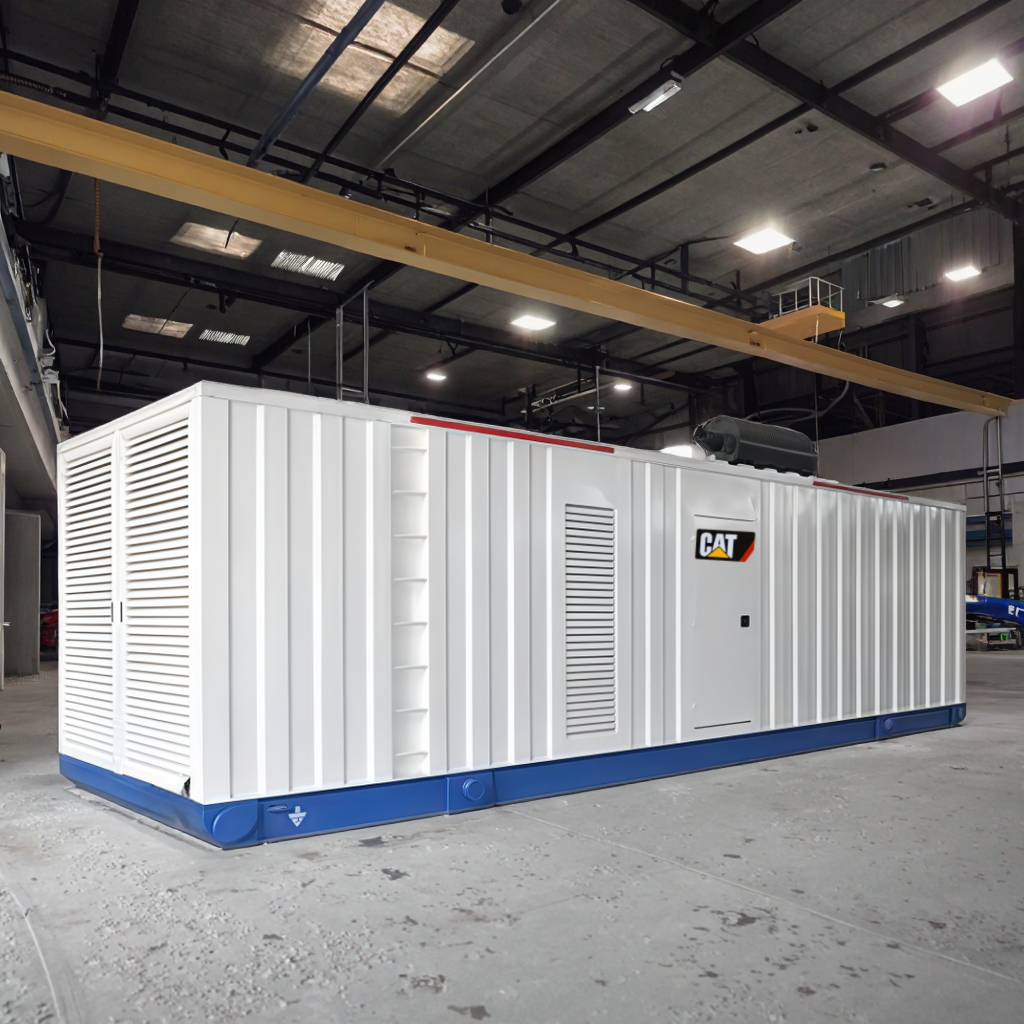
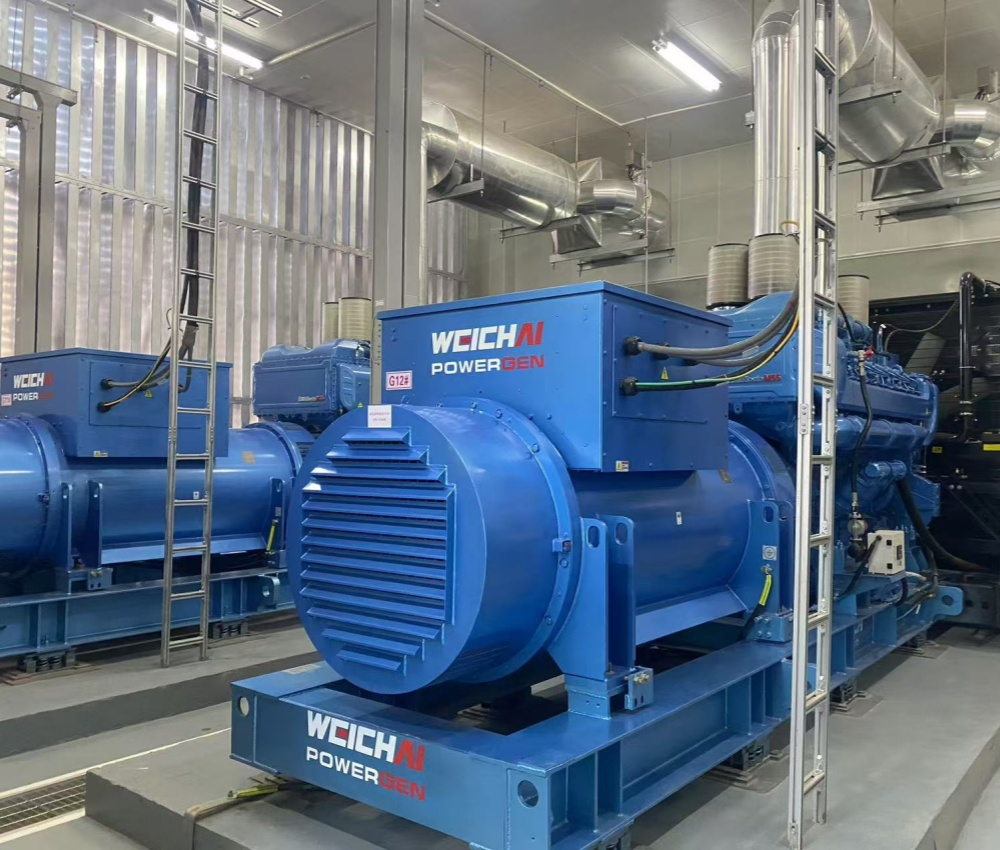
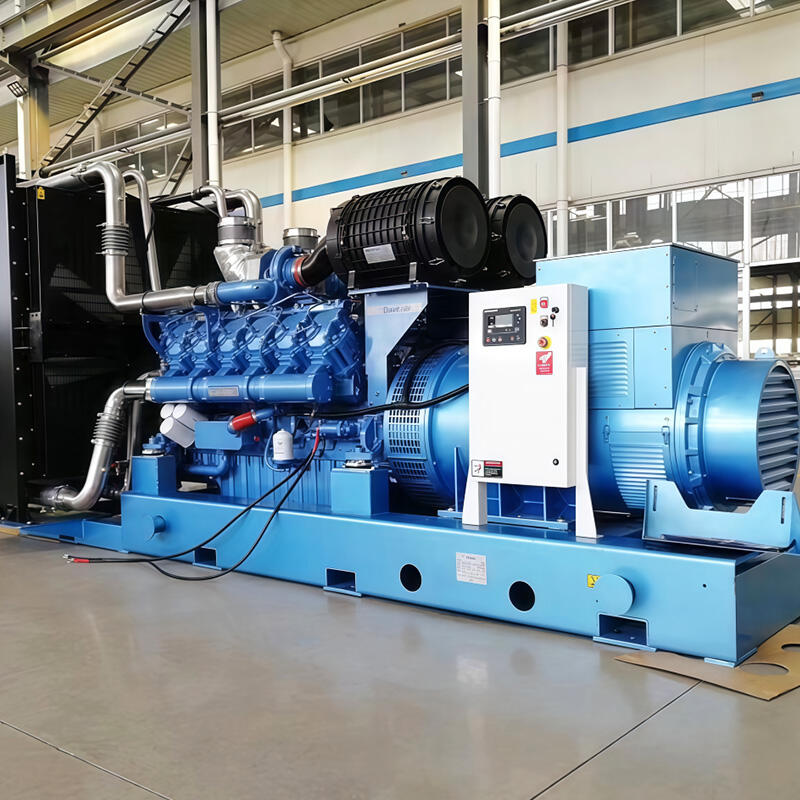
Understanding the Role of Diesel Generator Set in Data Center Reliability
Critical power backup requirements in data centers
Data centers need constant power supply because when they go down, it costs companies around $740k every single minute according to Ponemon's research from last year. Meeting those Tier IV requirements means getting close to 99.995% uptime, so backup generators have to kick in immediately whenever there's trouble with the main electricity grid. After the usual UPS systems fail, diesel generators become the last line of protection for things like cooling systems and servers that keep running even during long blackouts across multiple regions.
How diesel generator set ensures uptime during grid failure
Today's diesel generators can get up to full power in just around 10 to 15 seconds, which makes them really useful when there's a power outage before the backup batteries run out. These machines are pretty efficient too, consuming no more than 0.28 liters per kilowatt hour at 75% capacity according to ISO 8528 standards. That kind of efficiency means they can keep running for well over a day straight, something that comes in handy during those big regional blackouts we sometimes see. The automatic transfer switches work pretty smoothly as well, switching power sources without causing much voltage change - usually under 2%. This helps protect all sorts of delicate electronic gear from getting damaged during these transitions between power sources.
Generator performance and reliability in data centers: Key metrics
Tier IV facilities assess generator reliability using three key benchmarks:
| Metric | Tier IV Requirement | Industry Average |
|---|---|---|
| Start-up Success Rate | 99.98% | 99.2% |
| Full Load Time | ≤30 seconds | 35—45 seconds |
| Mean Time Between Failures | 12,000+ hours | 8,000 hours |
Regular load testing and fuel stabilizer treatments help prevent wet stacking and microbial contamination, ensuring compliance with strict uptime SLAs.
Routine Maintenance Checks for Diesel Generator Set Operational Readiness
Daily and weekly inspection checklist: Fuel, oil, coolant, battery, and control panel
Checking the fuel system daily makes sense, along with making sure oil pressure stays within the good range of around 40 to 60 psi. Coolant levels also need attention during these routine checks. For weekly work, look at battery terminals for voltage readings somewhere near 12.6 to 12.8 volts if using standard lead acid batteries. Don't forget to check what's showing up on the control panel regarding errors, and test whether the automatic start feature actually works when needed. The fuel filters deserve special attention too since they can get contaminated with microbes over time. As for coolant, keeping its pH level between roughly 8.3 and 10.5 stops those annoying radiator problems from developing down the road.
Identifying early signs of wear, leaks, and component degradation
Early detection of belt fraying, exhaust manifold cracks, or coolant leaks at joints prevents 73% of unplanned outages (Industrial Energy Report 2023). Infrared thermography identifies overheating in alternator windings, while oil analysis revealing particulate counts above 15 ppm signals accelerated engine wear.
Battery system maintenance: Ensuring reliable start-up under load
Battery failures account for 34% of generator start delays during outages. Monthly load tests at 50—75% capacity confirm cranking amps meet specifications. Terminal cleaning with baking soda solutions prevents voltage drops, and batteries showing less than 11.5V under load or physical swelling should be replaced promptly.
Scheduled Load Testing and Transfer Switch Verification
Monthly Load Testing to Prevent Wet Stacking and Ensure Responsiveness
Monthly load testing at a minimum of 30% load for 30 minutes prevents wet stacking by maintaining exhaust temperatures above 250°F—critical for avoiding carbon buildup in cylinders and turbochargers. Facilities following this practice report 40% fewer unplanned outages during actual grid failures compared to those that skip testing.
Transfer Switch Inspection and Automatic Failover Validation
Quarterly checks are necessary for automatic transfer switches (ATS) if we want those grid to generator handoffs to go smoothly when power cuts happen. What do techs actually look at? They check things like whether the voltage sensors are working right, make sure frequencies match up properly, and test how well the mechanical parts move. These inspections need to follow UL 1008 guidelines which basically say certified switches should handle over fifty full load cycles without breaking down. Interesting fact from last year's research shows something pretty significant too about why power gets restored late so often. Turns out misaligned contacts were behind nearly two thirds of all delays according to that study, which is why many facilities now incorporate infrared scanning into their regular maintenance routines.
Impact of Low-Load Operation and Mitigation Through Regular Loading
When generators run under 30% capacity, their efficiency drops around 18 to 22 percent each year because the fuel doesn't burn completely. Facilities have found that mixing regular monthly checks with longer test runs twice a year at between 75 and 100% load helps keep things running smoothly. These extended tests maintain proper heat levels inside the cylinders, prevent damage from glazed liners, and actually makes those injectors react faster by about 35 milliseconds. For bigger operations following NFPA 110 guidelines, doing full load bank tests every three years becomes essential too. This kind of rigorous testing schedule ensures generators will work reliably during those long power outages that nobody wants but everyone needs prepared for.
Semiannual and Annual In-Depth Inspections of Diesel Generator Set
Comprehensive Fluid Analysis and Lubrication System Maintenance
Every six months or so, technicians need to take oil samples to look for metal particles that indicate wear, plus test coolant pH levels as an early warning sign of corrosion problems. Once a year, it's essential to change out the engine oil, hydraulic fluids, and coolant following what the manufacturer recommends. Dirty fluids really hurt performance, cutting efficiency anywhere from 12 to 18 percent according to research published by Energy Systems in 2023. When checking lubrication systems, make sure injectors are working properly and bearings get greased at the right intervals. This helps avoid those costly alignment issues down the road when shafts start moving out of place.
Cooling System and Radiator Care to Prevent Overheating
Inspect radiator fins every six months for dust accumulation, a factor in 34% of cooling failures. Annually pressure-test hoses for cracks and maintain ethylene-glycol coolant at a 50:50 dilution. Thermostat calibration and fan belt tension adjustments during semiannual visits ensure stable temperatures under emergency loads.
Fuel System Maintenance: Managing Contamination and Diesel Fuel Degradation
Microbial growth in stored diesel doubles every 6—8 months, risking clogged filters and damaged injectors. Annual protocols include tank bottom sampling, fuel polishing, and biocide treatment. For generators inactive beyond 90 days, use fuel stabilizers and circulate diesel through secondary filtration to remove water.
Annual Performance Validation and Long-Term Maintenance Strategy
Annual load bank testing: Simulating full-capacity demand for reliability
Annual load bank testing confirms a diesel generator set can sustain 100% rated load for 2—4 hours. This process:
- Prevents wet stacking by burning off unburned fuel from low-load runs
- Validates voltage and frequency stability during simulated load surges
- Tests cooling system effectiveness under peak conditions using calibrated resistance banks
Operators monitor exhaust temperatures (±5°F accuracy) and fuel consumption to establish performance baselines.
Preventive maintenance programs and alignment with SLAs
A structured 24-month preventive maintenance cycle reduces unexpected failures by 43% compared to reactive approaches (Industrial Energy Institute 2024). Effective strategies include:
- Aligning oil and filter changes with manufacturer-recommended 500—750 runtime hours
- Coordinating coolant pH testing with quarterly fuel polishing
- Logging valve clearance adjustments for SLA compliance audits
This integration supports adherence to 99.999% uptime commitments in data center service agreements.
Integrating IoT and real-time monitoring for predictive maintenance
Advanced monitoring systems track over 15 critical parameters in diesel generator sets:
| Parameter | Threshold Alert | Predictive Insight |
|---|---|---|
| Cranking Voltage | <20V DC | Battery replacement needed |
| Coolant Flow Rate | <90% baseline | Impeller wear detection |
| Exhaust Backpressure | >12" H2O | DPF filter clogging |
Continuous vibration analysis in the 5—8kHz range detects bearing wear 6—8 weeks before failure, enabling timely intervention.
Balancing cost-cutting risks with uptime assurance in generator maintenance
While skipping annual load tests may save $8K—$12K short-term, the risk of outage-related losses—up to $260K per minute (Uptime Institute 2023)—far outweighs these savings. Strategic cost management includes:
- Using synthetic oils, which extend change intervals by 30%
- Maintaining tiered spare parts inventories with 72-hour delivery for non-critical items
- Training on-site staff in emergency procedures to reduce reliance on external contractors
FAQ
What is the main role of diesel generators in data centers?
Diesel generators act as a critical power backup that ensures the continuous operation of servers and cooling systems during power outages, thus maintaining data center reliability.
How quickly do diesel generators reach full power during an outage?
Diesel generators typically reach full power within 10 to 15 seconds during a power outage, providing seamless transition and supporting uptime.
What are the key maintenance checks for diesel generators in data centers?
Key maintenance checks include daily inspection of fuel, oil, and coolant levels, weekly battery checks, and control panel error assessments. Regular load testing and fuel treatments also play a crucial role.
Why is regular load testing important for diesel generators?
Regular load testing prevents wet stacking and confirms the generator's responsiveness and reliability during actual grid failures.
How does predictive maintenance help in managing diesel generators?
Predictive maintenance employing IoT and real-time monitoring helps in identifying issues like battery replacement needs and impeller wear before they lead to failures, thus ensuring optimal performance.
Table of Contents
- Understanding the Role of Diesel Generator Set in Data Center Reliability
- Routine Maintenance Checks for Diesel Generator Set Operational Readiness
- Scheduled Load Testing and Transfer Switch Verification
- Semiannual and Annual In-Depth Inspections of Diesel Generator Set
- Annual Performance Validation and Long-Term Maintenance Strategy
-
FAQ
- What is the main role of diesel generators in data centers?
- How quickly do diesel generators reach full power during an outage?
- What are the key maintenance checks for diesel generators in data centers?
- Why is regular load testing important for diesel generators?
- How does predictive maintenance help in managing diesel generators?