EN
EN



Understanding Critical Power Requirements for Data Center Uptime
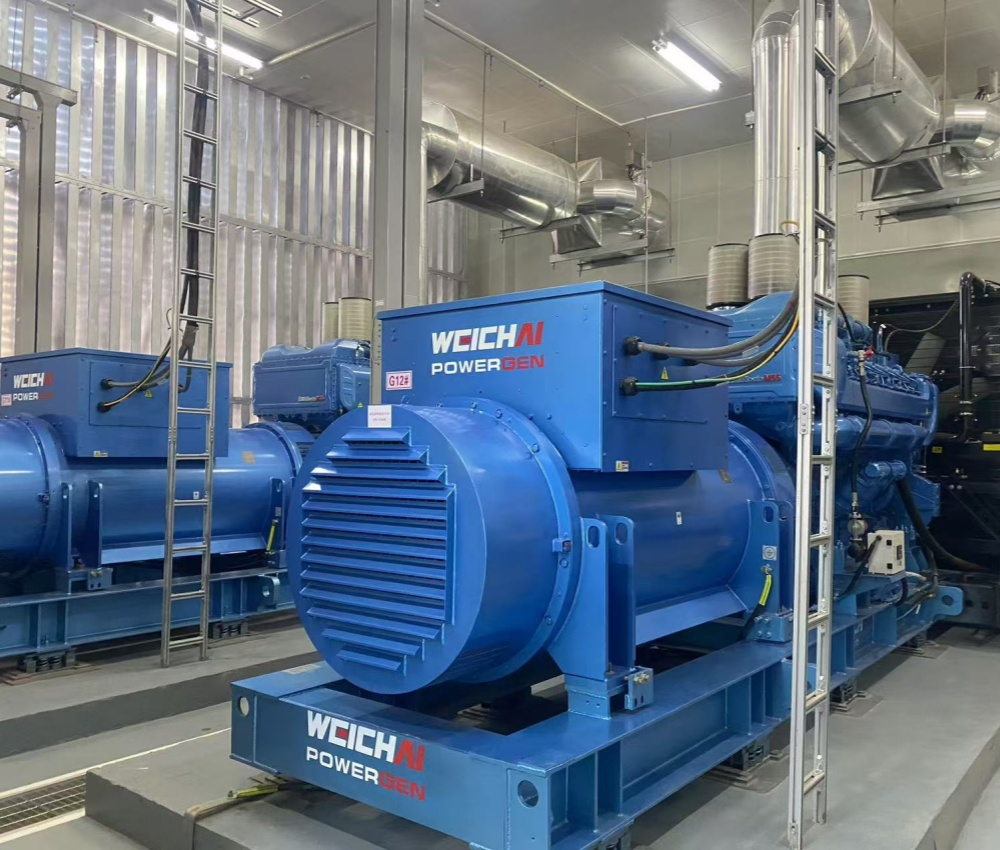
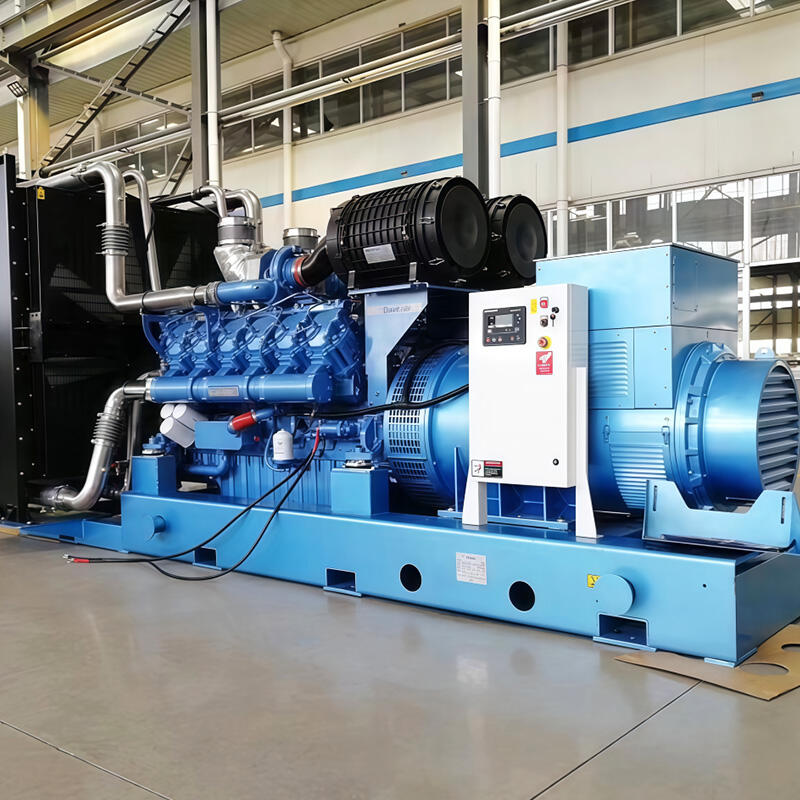
The role of power generators in maintaining continuous data center operations
Generators serve as the last line of defense when things go wrong operationally, filling in the space between when the main power grid fails and before UPS batteries run dry. Looking at numbers from the Uptime Institute in their 2024 report shows just how critical this is. Power problems were behind half of all major data center shutdowns they studied. And those longer outages that stretch past four hours can cost companies over seven hundred forty thousand dollars in service level agreement penalties alone. Modern generator setups work best when paired with automatic transfer switches (ATS). These systems typically switch over within ten seconds flat, which means operations keep running smoothly even during extended power cuts from the utility company.
Impact of unplanned outages on service availability and SLAs
When systems go down unexpectedly, companies face serious money problems. Some big data centers have seen their bills jump over $1 million every single hour during these incidents. According to research published by Uptime Institute last year, almost half (that's about 42%) of all service interruptions happened because backup power wasn't working right. Most commonly this was either because the generators were too small for what they needed to handle or there were issues getting fuel to them properly. For businesses aiming at those super strict 99.999% availability targets, it's not enough just to plan for normal operations. They need to think ahead about what happens when multiple things fail at once too.
Uptime Institute Tier standards and their impact on generator selection
For Tier III and IV certified facilities, there's a need for either N+1 or 2N generator redundancy along with minimum 72 hour fuel reserves stored right on site when dealing with mission critical operations. The Tier IV standard goes even further with its fault tolerant approach requiring two completely separate generator systems that can keep everything running at full capacity even if one component fails. While these specs definitely drive up costs by about 34% over basic facilities without such ratings, they deliver something pretty remarkable too: an impressive 99.982% uptime throughout the year. That kind of reliability makes all the difference for cloud service companies and data center operators competing in today's market where downtime simply isn't acceptable anymore.
Choosing the Right Power Generator Type: Standby, Prime, and Continuous Ratings
Differences Between Prime, Standby, and Continuous-Rated Generator Systems
When it comes to data centers, getting the right power setup matters a lot. Standby generators act as backup systems when things go wrong, though they're really only meant to run occasionally, maybe around 500 hours per year max. Then there's prime-rated equipment which handles changing workloads over time and works well where electricity isn't always reliable. These can handle fluctuations better than most other options. Continuous-rated generators keep running flat out all day every day, often seen in manufacturing settings where operations never stop. But these models can't handle those unexpected surges that prime-rated versions manage just fine. So choosing between them depends on what kind of workload stability we need from our facilities.
| Generator Type | Max Runtime | Load Type | Overhead Capacity |
|---|---|---|---|
| Standby | 500 hrs/year | Emergency backup | None |
| Prime | Unlimited | Variable primary | 10% for 1 hr/day |
| Continuous | 24/7 | Constant primary | None |
Matching Generator Type to Data Center Operational Demands
Most data centers rely on standby generators paired with UPS systems to satisfy Tier III/IV redundancy benchmarks. In areas prone to frequent brownouts, hybrid setups using prime-rated generators are increasingly adopted, where extended runtime and load flexibility justify higher maintenance demands.
Data Center Power (DCP) Rating vs. Other Power Ratings in Practice
Data Center Power or DCP standard was created specifically for infrastructure that just can't afford downtime. It builds in things like parallel redundancy where multiple systems run at once, and those 2N architectures which basically means having backup components for every single part. Now most people know about ISO 8528 standards that talk about prime power being able to handle variable loads indefinitely. But what sets DCP apart? These certified generators come with extra features such as stronger exhaust systems and special seismic bracing. They need to meet TIA-942 requirements too something regular specs often overlook when talking about data center reliability.
Properly Sizing Your Backup Power Generator for Current and Future Loads
Generator Sizing for Data Center Applications Using Real Load Profiles
Getting the right size generator going isn't just about guessing numbers on paper. Real world electricity usage data matters most when determining proper generator capacity. Look at how power consumption changes through different seasons, especially during those moments when servers kick on all at once. These startup spikes can really push demand up anywhere from 30 to 40 percent sometimes. The best approach? Install some advanced monitoring equipment that records usage every 15 minutes. This gives engineers actual patterns to work with instead of making assumptions. With this detailed information, they can create accurate usage profiles that help prevent either paying too much for an oversized generator or risking system failure from something that's just too small for what it needs to handle.
Accounting for Peak Demand, Redundancy, and Projected Expansion
When designing backup systems, it's important they handle existing redundancy setups like N+1 or 2N configurations, plus allow room for growth within about five to seven years. Most experienced professionals in the field tend to set aside around 20 to 25 percent extra capacity just in case their operations expand unexpectedly. They also typically build in what's called a 1.5 to 1 safety buffer beyond whatever peak loads have been recorded so far. Take a look at a typical 2 megawatt facility as an example real world scenario. Such a site would often install generators capable of handling 3 megawatts worth of power. This gives them flexibility when adding new racks later on and meets all those pesky redundancy standards without constantly having to retrofit later down the road.
Case Study: Sizing a Backup Generator for a Tier III Data Center
A data center in Boston recently moved up to Tier III standards, which means they need those backup systems running even when maintenance happens. The old 4 megawatt diesel generators couldn't handle things when both the cooling systems kicked in at once and servers were restarting simultaneously. After looking at all the numbers, engineers found that going with six point two megawatts was actually best for them. They installed four separate 1.55 megawatt units that work together automatically to share the workload. This setup accounts for about one and a half times what they normally use, plus leaves room for future expansion with that extra fifteen percent buffer built right in.
Avoiding Under-Sizing: Consequences and Remediation Strategies
Undersized generators contribute to 43% of data center downtime linked to backup power failures (Uptime Institute 2023). Warning signs include repeated overload alarms and delayed transfer switch responses. Effective remediation includes:
- Deploying modular generator systems that scale incrementally
- Implementing load-shedding protocols for non-essential equipment
- Retrofitting units with transient voltage stabilizers to manage surge currents
Annual load bank testing is essential to validate performance under simulated peak conditions.
Fuel Selection and System Autonomy for Reliable Long-Term Operation
Comparing Diesel, Natural Gas, and Dual-Fuel Generator Systems
Most power generators rely on three main fuel options these days: diesel, natural gas, and those hybrid setups called dual-fuel systems. Diesel has always been popular because it packs a lot of energy into small tanks and keeps running even during extended blackouts. The downside? Local authorities tend to get pretty picky about where and how much can be stored onsite. Natural gas burns cleaner than diesel and flows continuously through underground pipes, which is great until something happens to those pipes. Storms, accidents, maintenance work anything can cut off the supply line. That's why many facilities are turning to dual-fuel technology. These systems basically have backup plans built right in they'll flip over to whatever fuel is still available when one type runs dry or gets blocked. Makes sense for places that can't afford any downtime at all.
| Factor | Diesel Generators | Natural Gas Generators | Dual-Fuel Systems |
|---|---|---|---|
| Fuel Availability | On-site storage dependent | Pipeline-dependent | Hybrid flexibility |
| Emissions | Higher NOx/CO2 | Lower CO2 | Depends on active fuel |
| Autonomy | 48-72+ hours (typical) | Limited by pipeline integrity | 72+ hours (fuel-switching) |
| Maintenance | Frequent filter changes | Lower complexity | Dual-system upkeep |
Fuel Source Selection and System Autonomy for Extended Outages
System autonomy the ability to run without refueling is vital during multi-day grid failures. Diesel's compact energy storage supports 48-96 hours of operation, whereas natural gas depends on uninterrupted pipeline access. For mission-critical sites, dual-fuel systems are preferred, offering failover capability when primary fuel supplies are compromised.
On-Site Fuel Storage Requirements and Refill Logistics
When it comes to storing fuel on site, there are several key factors to keep in mind. First off, corrosion resistant tanks are absolutely essential. Also important is regular treatment with biocides to stop those pesky microbes from contaminating the fuel. And don't forget about rotating the fuel stock periodically to ensure it stays usable over time. Now regarding storage duration requirements, NFPA 110 generally calls for somewhere between 12 to 24 hours worth of diesel for emergency backup systems. However most Tier III and IV facilities tend to go much further ahead, often keeping reserves good for 3 to 4 days straight. When planning refills, location matters big time. Areas prone to flooding can really limit what kind of underground tanks we install there. Smart operators also make sure they have solid agreements in place with suppliers so they get first dibs on deliveries when storms hit or other regional crises occur.
Ensuring Redundancy, Integration, and Compliance in Backup Power Design
N+1 and 2N Redundancy Models in Backup Power Architecture
Having redundancy built into backup power systems helps prevent those annoying single point failures we all dread. Take the N+1 approach, where an extra generator sits ready just in case something goes wrong with one unit. This setup is pretty standard in Tier III and IV facilities these days. Then there's the 2N configuration which basically makes exact copies of every power component. What does this mean? The system keeps running without interruption even if everything on one side fails completely. For massive data centers and other large scale operations, this kind of fail-safe becomes absolutely essential when downtime costs millions.
| Redundancy Type | Fault Tolerance | Typical Use Case | Cost Impact |
|---|---|---|---|
| N+1 | Single failure | Tier III/IV data centers | Moderate |
| 2N | System-wide | Hyperscale facilities | Significant |
Parallel Generator Configurations for Fault Tolerance
Parallel configurations synchronize multiple generators to share loads dynamically. This setup enables automatic redistribution during outages or maintenance, preserving voltage stability and system efficiency.
Integrating Generators with UPS and Automatic Transfer Switches (ATS) for Seamless Failover
Modern systems integrate generators with uninterruptible power supplies (UPS) and ATS devices to eliminate power gaps during grid transitions. The ATS must initiate transfer within 10 seconds per NFPA 70, while the UPS bridges power until generators reach full output.
Adhering to NFPA 110, ISO 8528, NEC, TIA-942, and Environmental Regulations
Compliance hinges on five core standards:
- NFPA 110 -- Emergency and standby power system safety
- ISO 8528 -- Performance testing for reciprocating generator sets
- NEC Article 700 -- Design requirements for emergency systems
- TIA-942 -- Data center infrastructure redundancy tiers
- EPA Tier 4 -- Emissions standards for diesel-powered generators
Testing, Maintenance, and Certification for Long-Term Reliability
Testing generators every quarter using load banks according to ISO 8528-8 standards is how we know they'll work when needed most. For regular upkeep, facilities need to swap out those air filters, change the coolant regularly, and give the fuel systems a thorough checkup once a year. Any place keeping more than 1,320 gallons of diesel on site? They're required by law to have proper spill prevention plans in place through the EPA's SPCC regulations. And let's not forget about getting third party confirmation too. A Level 1 certification from NFPA 110 means the whole system can actually run non stop for three full days straight if something goes wrong with the main power supply.
FAQ
Why are power generators important for data center uptime?
Power generators serve as a backup to the main power grid, ensuring continuous operations during power failures. They prevent service interruptions and financial losses, especially in data centers adhering to high availability standards.
What types of generators are commonly used in data centers?
Data centers typically use standby, prime, or continuous-rated generators. Standby generators are used in emergency situations, prime-rated for areas with unreliable electricity, and continuous-rated for constant operations, such as manufacturing settings.
How should a generator be sized for a data center?
Sizing a generator involves analyzing actual power usage data, considering peak demand, redundancy requirements, and future expansion needs to prevent over or under-sizing.
What is the significance of N+1 and 2N redundancy models?
N+1 redundancy involves having an extra generator on standby for single component failures, while 2N redundancy duplicates all power components for complete fault tolerance. These models are crucial for minimizing downtime.
Table of Contents
- Understanding Critical Power Requirements for Data Center Uptime
- Choosing the Right Power Generator Type: Standby, Prime, and Continuous Ratings
- Properly Sizing Your Backup Power Generator for Current and Future Loads
- Fuel Selection and System Autonomy for Reliable Long-Term Operation
-
Ensuring Redundancy, Integration, and Compliance in Backup Power Design
- N+1 and 2N Redundancy Models in Backup Power Architecture
- Parallel Generator Configurations for Fault Tolerance
- Integrating Generators with UPS and Automatic Transfer Switches (ATS) for Seamless Failover
- Adhering to NFPA 110, ISO 8528, NEC, TIA-942, and Environmental Regulations
- Testing, Maintenance, and Certification for Long-Term Reliability
- FAQ