EN
EN



Understanding Open Diesel Generators in Power Plant Settings
Definition and Core Components of an Open Diesel Generator
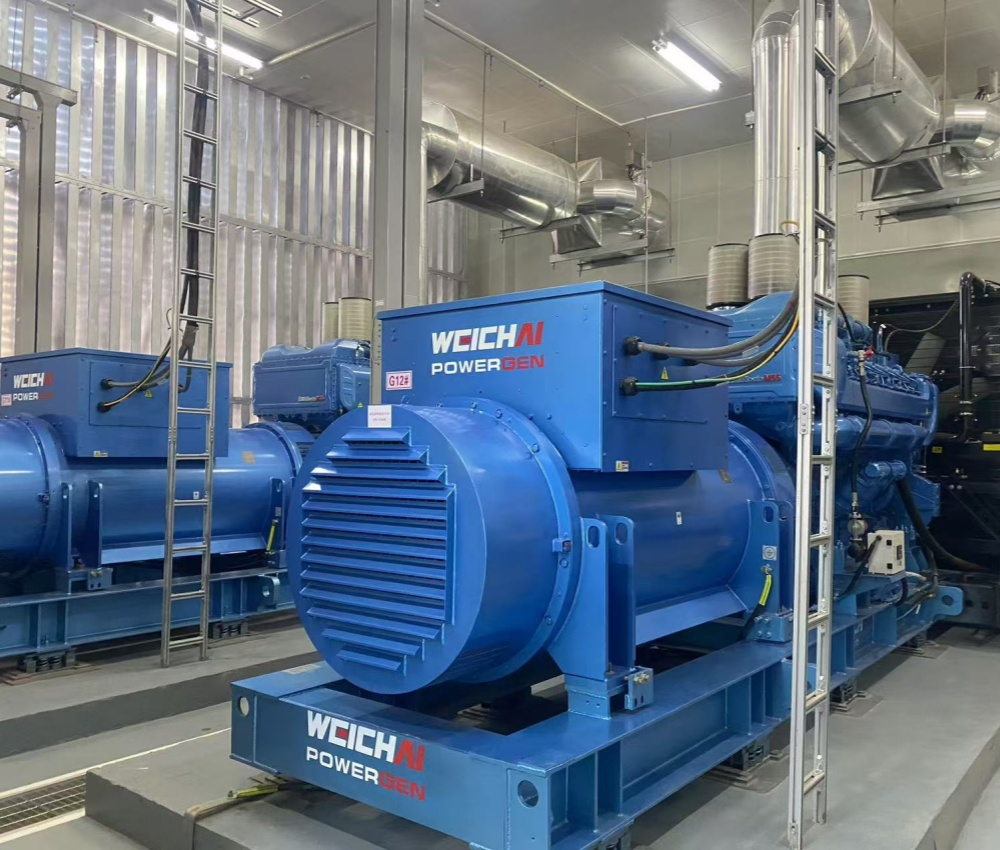
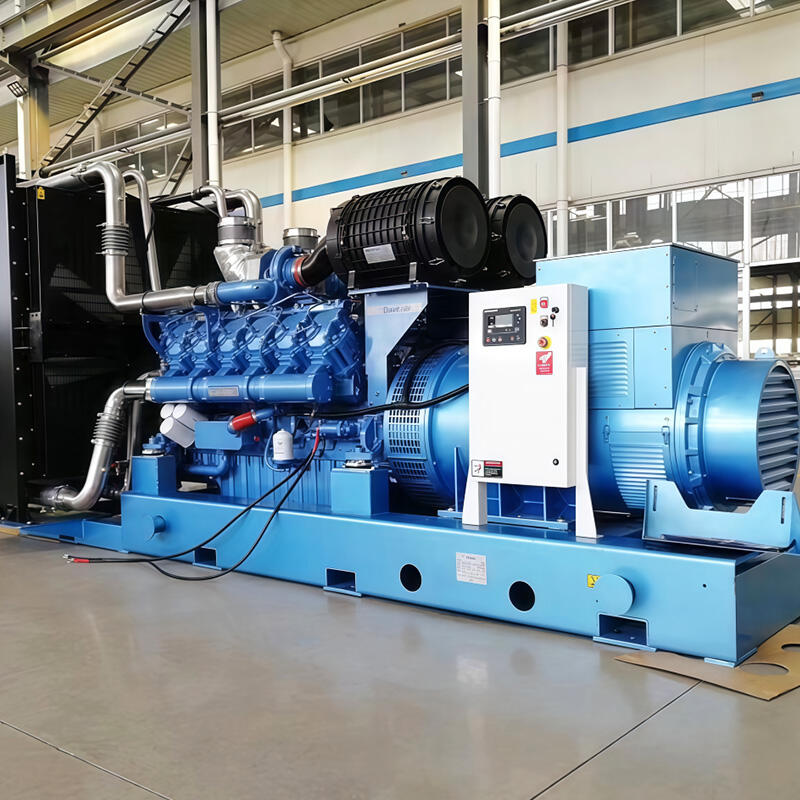
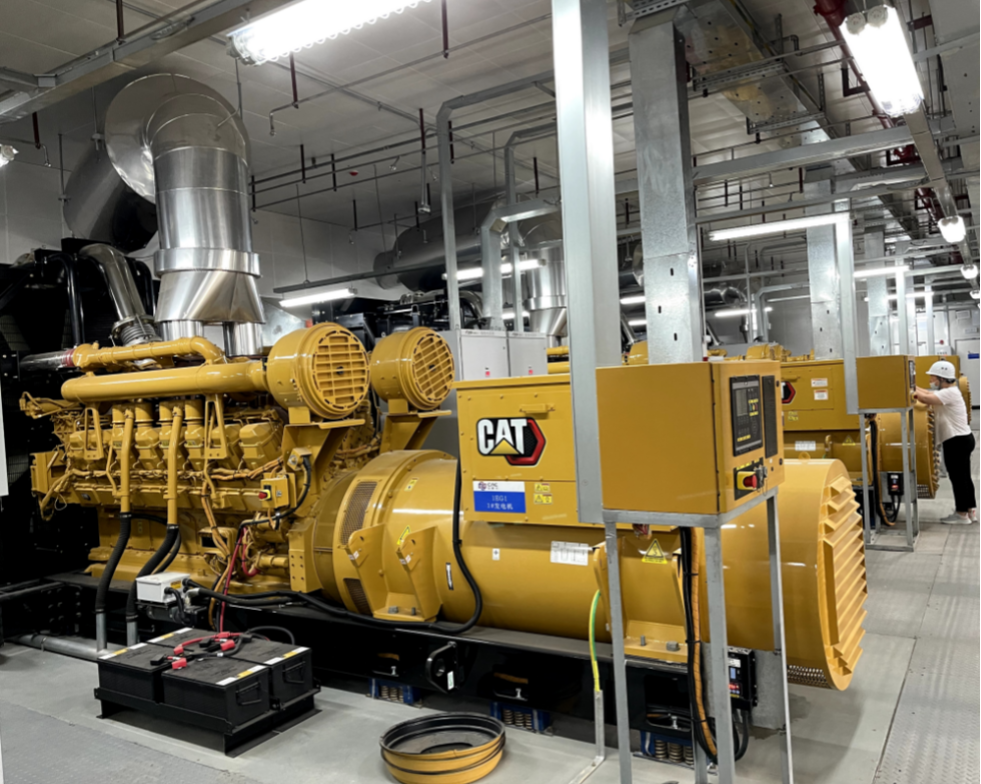
An open diesel generator is a mechanical power system where core components operate without external enclosures. Key elements include:
- Diesel engine: Converts fuel combustion into rotational energy (thermal efficiency: 35–45%)
- Alternator: Transforms mechanical energy into electrical output
- Control systems: Monitor voltage/frequency stability (±2% tolerance)
- Base frame & cooling system: Steel skid-mounted structure with integrated radiator
Unlike containerized units requiring complex ventilation, open models rely on ambient airflow for heat dissipation, making them ideal for controlled industrial environments.
How Open Diesel Generators Differ from Enclosed and Containerized Units
Three structural variations impact power plant integration:
| Feature | Open Units | Enclosed Units | Containerized |
|---|---|---|---|
| Noise output | 85–95 dBA | 65–75 dBA | 70–80 dBA |
| Weather protection | None | IP23-rated | IP54-rated |
| Maintenance access | Direct component-level | Panel-restricted | Full enclosure removal |
| Installation footprint | 25% smaller | Standard | 40% larger |
Open configurations sacrifice environmental protection for 15–20% lower capital costs and simplified repair workflows compared to enclosed alternatives.
Working Principle of Diesel Engine and Generator System in Power Stations
The energy conversion process involves four synchronized stages:
- Combustion: High-pressure fuel injection (200–300 bar) ignites in cylinders
- Mechanical drive: Pistons rotate the crankshaft at 1,500/1,800 RPM (50/60 Hz output)
- Electromagnetic induction: Rotor coils cutting stator field generate 3-phase AC
- Voltage regulation: Automatic Voltage Regulators (AVRs) maintain <2.5% fluctuation
Advanced systems employ load-sensing governors that adjust fuel supply within 0.5 seconds during demand shifts, enabling direct energy transfer with 88–92% electrical efficiency in continuous operation cycles.
Power Output, Efficiency, and Load Performance in Industrial Use
Evaluating Power Output Capacity for Large-Scale Power Plant Applications
Diesel generators come in various sizes, typically ranging from around 500 kW all the way up to 20 MW, making them good choices for both constant power needs and those times when extra capacity is required during peak hours. A recent study by the International Energy Agency back in 2023 found that nearly three out of every four off grid mines depend heavily on these open type diesel units because they deliver consistent torque performance even under maximum loads. What sets diesel apart from gas turbines? Well, while gas turbines tend to struggle with efficiency once they drop below about 80% capacity, most diesel models still hold onto roughly 95% of their maximum output at just half load. This makes diesel generators particularly attractive for locations where energy demands fluctuate throughout the day.
Thermal and Fuel Efficiency Compared to Other Generator Types
Diesel generators running open configurations typically hit around 38 to 42 percent thermal efficiency, which actually beats gas turbines that only manage about 30 to 35 percent when operating at partial loads. But there's a catch worth noting here. When these diesel units run at full capacity, they burn through roughly 0.28 to 0.35 liters per kilowatt hour, making them about 12 to 18 percent pricier in fuel costs compared to those fancy combined cycle gas facilities after long periods of operation. Cold weather performance tells another story though. According to research published back in 2022, diesel engines need about 15 percent less fuel for each megawatt hour produced than propane alternatives during those really frigid starts below minus 20 degrees Celsius. This makes diesel particularly attractive for regions where temperatures drop dramatically.
Impact of Load Variability on Operational Efficiency
Load fluctuations below 30% capacity increase specific fuel consumption by 15–30%, according to a 2023 grid resilience analysis. Modern open units mitigate this with adaptive turbocharging systems, reducing efficiency losses to 8–12% during rapid load swings. Facilities using frequency-regulation modes report 22% lower fuel waste compared to fixed-load operations.
Case Study: Efficiency Metrics from Industrial Diesel Power Plants
A Caribbean utility plant using open diesel generators achieved an average efficiency of 38.7% over 18 months, as detailed in the 2023 Industrial Power Systems Report. By implementing AI-driven load forecasting, the facility reduced fuel costs by 11%, demonstrating how advanced control systems can enhance performance in dynamic grid settings.
Reliability, Durability, and Maintenance in Continuous Operation
Lifespan of Open Diesel Generators Under Power Plant Load Conditions
Open diesel generators generally last between 40,000 to 60,000 service hours when maintained correctly before needing major work. The problem comes from particulates getting into the system which causes more wear than what happens with enclosed models. Fortunately there's something about this situation. Industrial quality filters can cut down on engine damage by roughly 28 to 34 percent according to Power Engineering International from last year. When these machines run nonstop at full capacity around 80 to 100 percent all day every day, they start showing signs of stress much quicker than expected. That makes regular checks really important stuff for anyone wanting their generator to keep running reliably over time. Quarterly oil tests along with cylinder pressure assessments should become part of routine maintenance schedules without fail.
Routine Maintenance Requirements and Downtime Management
Checking air filters, coolant levels, and fuel injectors on a daily basis is really important for keeping things running smoothly. When it comes to avoiding unexpected breakdowns, predictive methods stand out compared to waiting until something breaks down first. Things like monitoring vibrations or using thermal imaging can cut down those surprise stoppages by around 40 percent according to industry data. Most facilities stick with a regular maintenance schedule every 500 hours or so to keep operations going without major interruptions. But let's face it, there will always be some maintenance needed outside of that routine. Operators typically need to set aside somewhere between 12 and maybe even 16 hours each month just for stuff like cleaning fuel systems and replacing belts when they wear out.
Environmental Exposure Risks and Mitigation Strategies for Open Units
In coastal or high-humidity areas, open units face triple the corrosion rate of enclosed models. Corrosion-resistant coatings on alternators and galvanized control panels reduce weather-related failures by 52%. In arid regions, dust suppression is critical–centrifugal pre-cleaners improve air intake quality by 90%, preserving engine longevity.
Startup Reliability and Response Time During Grid Failures
Open diesel generators reach full load in 8–12 seconds during blackouts–20% faster than turbine-based systems. Advanced governors maintain frequency stability within ±0.25 Hz, even during abrupt 50–100% load transfers. Cold-start reliability drops to 92% in sub-zero conditions without auxiliary heating, but heated lube oil systems restore near-instant ignition capability.
Real-World Example: Emergency Power Supply in Utility Outages
A Midwestern utility plant sustained 98.6% uptime during the 2022 winter storms, supporting 45 MW of critical load with open diesel generators. Automated load-shedding protocols extended runtime by 22 hours amid fuel delivery delays, reinforcing their role in enhancing grid resilience.
Economic Feasibility: Fuel Consumption and Operational Costs
Operational Cost Breakdown: Fuel, Labor, and Repairs
Fuel accounts for roughly 40 to 65 percent of all running costs, and bigger machines can guzzle anywhere from 18 to 25 liters each hour when working at around three quarters capacity. Maintenance work involves regular inspections plus changing filters, which typically runs between $120 and $400 every three months or so. Then there are those big maintenance jobs that come along after about 12 thousand to 18 thousand hours of operation. According to industry reports from last year, open type systems tend to cost about 15% more in repairs compared to their containerized counterparts because they get hit harder by weather conditions and other outside factors that wear them down faster.
Fuel Consumption Rates Under Varying Load Conditions
Fuel consumption rises nonlinearly beyond 80% load, with tests showing a 22% efficiency drop at 95% load compared to 75%. At 50% load, generators use 30% less fuel per kWh but operate below peak thermal efficiency (38–42%). Operators often implement load-shedding strategies during low-demand periods to balance fuel savings against prolonged light-load operation risks.
Long-Term Economic Viability vs. Alternative Power Sources
Although open diesel generators have lower upfront costs than solar-battery hybrids ($180–$250/kW vs. $900–$1,200/kW), their 10-year operational expenses exceed renewables by 45–60% in regions with stable fuel pricing. They remain economically advantageous in off-grid applications with fewer than 4,000 annual runtime hours, where renewable storage infrastructure is still cost-prohibitive.
Industry Challenge: High Efficiency vs. Volatile Fuel Prices
The latest models of open diesel generators manage around 43 to 45 percent efficiency when converting fuel to electricity, but fluctuating fuel costs often eat away at 20 to 35 percent of those savings after long periods of operation. Research from the energy sector in 2024 indicated something pretty telling: if diesel goes up by just thirty cents per liter, the financial benefits disappear compared to running gas turbines for continuous power needs. Because of this reality, facility managers across the country are increasingly turning to equipment that can switch between fuels. These dual-fuel systems provide a safety net when market conditions change unexpectedly, allowing plants to maintain stable operating costs even when one fuel becomes prohibitively expensive.
Applications and Integration in Modern Power Plant Systems
Use as Primary Power Source in Remote and Off-Grid Locations
In regions without reliable electricity grids, open diesel generators play a crucial role. According to the Global Energy Report from 2023, around 37 percent of industrial projects operating off-grid depend on these generators as their main power source. The compact size and quick setup time makes them particularly useful for things like mining camps scattered across Australia's remote outback or supporting telecom infrastructure throughout sub Saharan Africa. For many operators there, bringing in diesel fuel is actually cheaper than trying to run new power lines through such vast distances. Solar panels definitely have their place, but they need about 650 to 800 watts per square meter of sunlight to work properly. Diesel generators just keep running day after day no matter what the weather throws at them, making them pretty indispensable when reliability matters most.
Integration with Hybrid Power Systems and Renewable Energy
More and more these days, industrial facilities are combining traditional diesel generators with solar panels and wind turbines to create hybrid energy systems that can weather any storm. Take for example what happened back in Texas last year when they set up a 50 megawatt solar installation alongside regular diesel generators. The results were pretty impressive actually - fuel usage dropped around two thirds compared to before, yet they still managed to keep the electricity flowing at nearly perfect levels, about 99.98% uptime if memory serves. These days, smart control systems have gotten really good at switching power sources too. When there's a dip in voltage, these systems can flip from renewables to diesel backup within just 8 to 12 seconds flat. This kind of quick thinking helps maintain both system reliability and environmental benefits without sacrificing performance.
Scalability for Large-Scale Industrial and Utility Applications
Modular architecture allows scaling from 500 kW to 20 MW through parallel configurations. A Southeast Asian utility recently added 2 MW generator units every six months to match regional industrial growth, avoiding $7 million in upfront costs associated with traditional turnkey plants.
Global Trends in Open Diesel Generator Deployment
The Asia-Pacific region took the lead in 2023 sales with around 42% of the total market, mainly because of all the new infrastructure being built out in places like India and Indonesia. Meanwhile, Africa experienced pretty solid growth too, clocking in at about 17% year over year. Countries there are implementing these staged approaches to electrification, often turning to generators first before they get around to setting up their permanent power grids. Looking ahead, Global Market Insights is forecasting a compound annual growth rate of 5.2% right through 2028. This growth seems especially strong in areas where governments are focusing more on making sure their energy supplies stay stable rather than rushing toward those immediate carbon neutral targets.
FAQ
What is an open diesel generator?
An open diesel generator is a mechanical system that provides power without an external enclosure, utilizing ambient airflow for heat dissipation and primarily used in controlled industrial settings.
How do open diesel generators differ from enclosed units?
Open diesel generators are generally cheaper and easier to maintain but offer less environmental protection compared to enclosed units, which are designed with additional weather protection and noise reduction features.
What are the maintenance requirements for open diesel generators?
Maintenance includes daily checks of air filters, coolant levels, and fuel injectors, with predictive measures like vibration monitoring reducing unexpected breakdowns significantly.
Why are open diesel generators economically viable in some regions?
Open diesel generators offer lower upfront costs compared to solar-battery hybrids, and are particularly economical in off-grid applications and areas with stable fuel prices.
Can open diesel generators be integrated with renewable energy systems?
Yes, they can be part of hybrid systems alongside solar panels and wind turbines, enhancing fuel efficiency and reliability.
Table of Contents
- Understanding Open Diesel Generators in Power Plant Settings
- Power Output, Efficiency, and Load Performance in Industrial Use
-
Reliability, Durability, and Maintenance in Continuous Operation
- Lifespan of Open Diesel Generators Under Power Plant Load Conditions
- Routine Maintenance Requirements and Downtime Management
- Environmental Exposure Risks and Mitigation Strategies for Open Units
- Startup Reliability and Response Time During Grid Failures
- Real-World Example: Emergency Power Supply in Utility Outages
- Economic Feasibility: Fuel Consumption and Operational Costs
- Applications and Integration in Modern Power Plant Systems
- FAQ