EN
EN



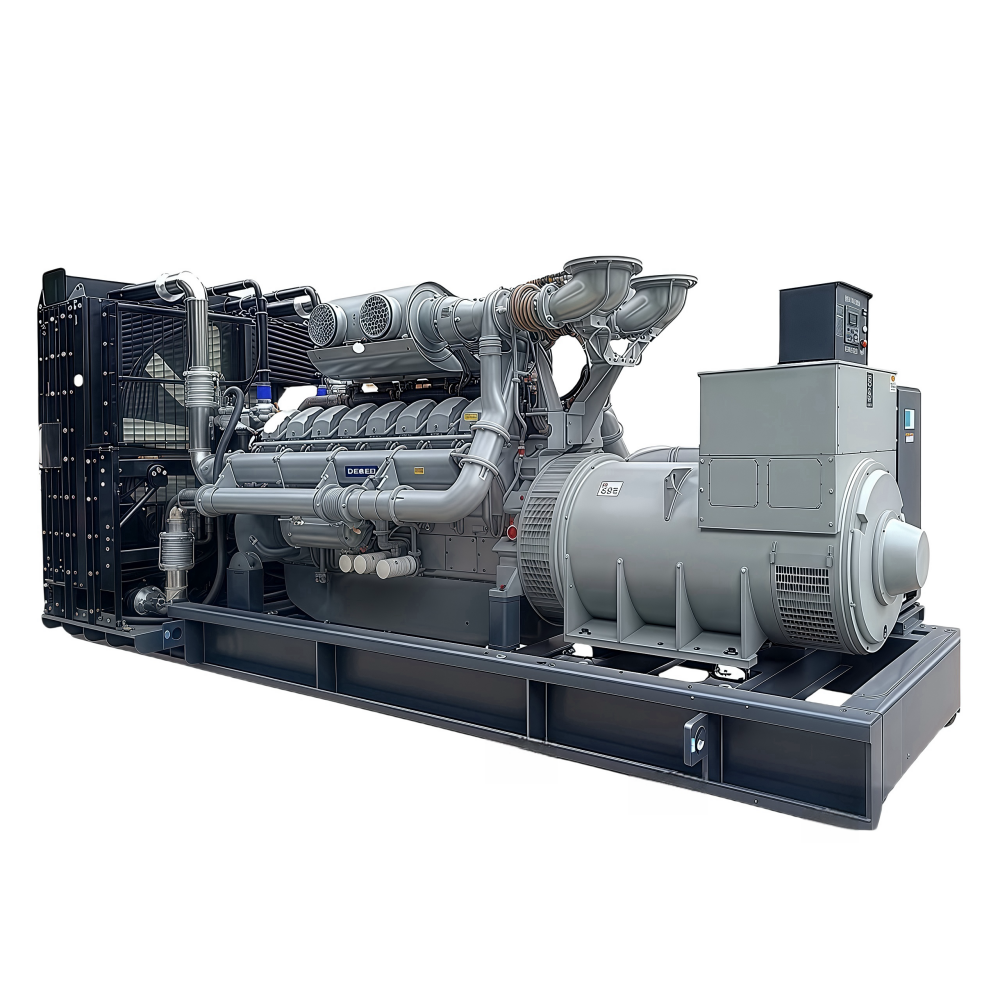
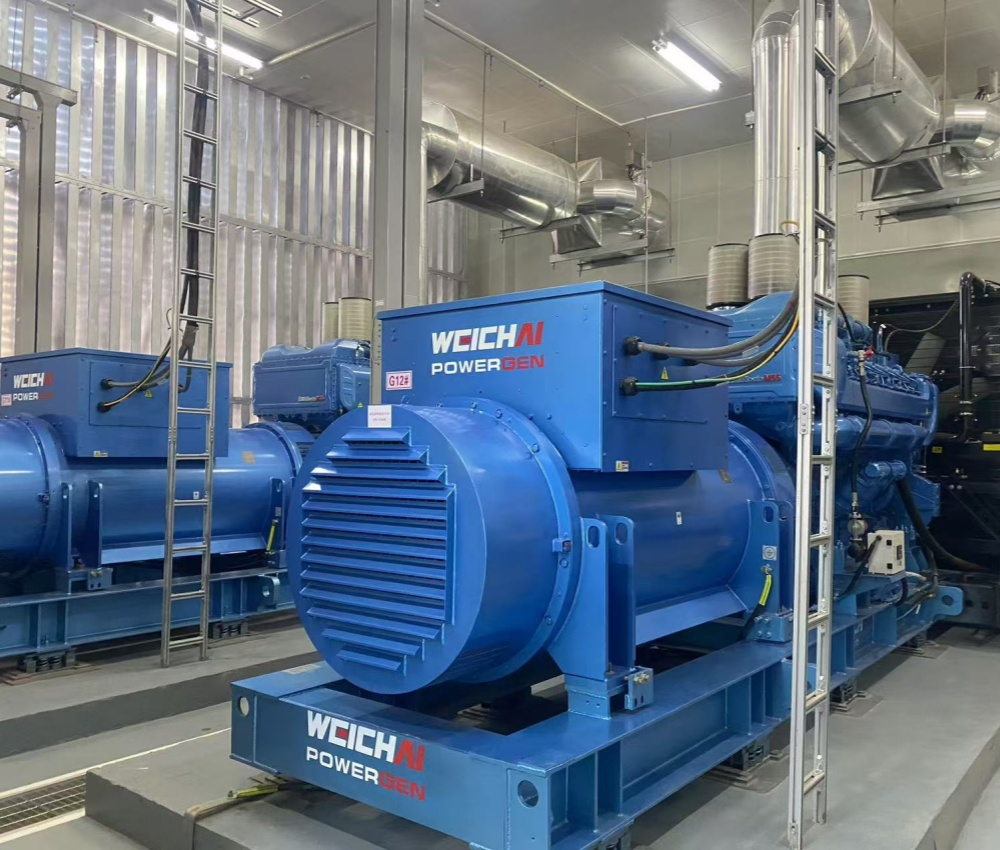
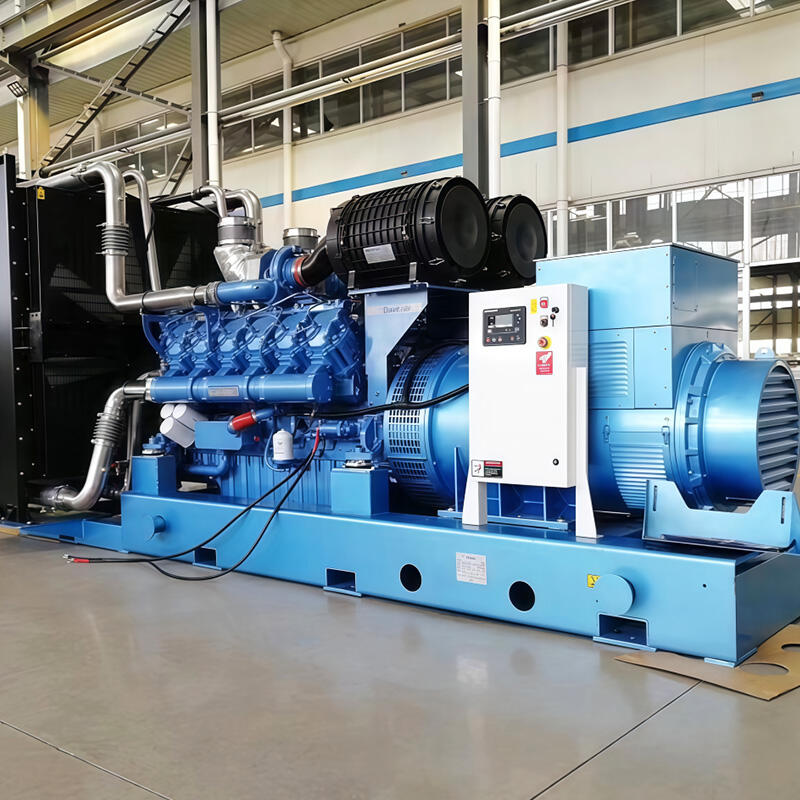
High-Capacity Diesel Generator Sets for Power Plant Applications
ISO 8528-1 and NFPA 110 compliance: Ensuring reliability for critical path power supply
For power plant diesel generators, meeting both ISO 8528-1 standards regarding performance tests and ratings, along with NFPA 110 requirements for emergency backup systems, is essential if they want reliable operation when needed most. The standards actually test how these machines perform under tough conditions that happen in real life situations. Think about things like taking on sudden electrical loads, running continuously at 0.8 power factor levels, and kicking into action automatically within just ten seconds after the main power goes down. Following these rules isn't just paperwork work either. When the grid acts up, proper compliance protects all those important pieces of equipment that can't afford downtime. Plus, getting this right makes it much easier to get approval from regulators for large scale power generation projects across the country.
Prime, continuous, and standby ratings: Aligning diesel generator set output with construction-phase and commissioning loads
Getting the right power ratings applied correctly matters a lot when developing plants. Prime rated equipment works best for those fluctuating, not constant loads we see in construction projects, think pile drivers and concrete pumps for example. Continuous rated systems are what engineers rely on for longer term commissioning work such as checking loops, calibrating instruments, and doing all sorts of system tests. Then there are standby rated generators which find their place in temporary control centers or sub stations where backup power isn't needed often but absolutely must be there when it counts. Getting this wrong can lead to real problems and expenses. Systems that are too big waste fuel money, sometimes around 15% extra just sitting there idling. On the flip side, if something's underpowered it might drop voltage levels enough to fry expensive commissioning equipment. Making sure the generator rating matches exactly what each project phase requires keeps things running reliably and saves money over time.
Real-world derating: How altitude, ambient temperature, dust, and fuel quality affect diesel generator set capacity
| Derating Factor | Performance Impact | Mitigation Strategy |
|---|---|---|
| High Altitude | 1% power loss per 100m over 150m | Turbocharged models |
| >40°C Ambient | 2–4% capacity drop per 5°C rise | Enhanced cooling systems |
| Dust Contamination | 12% airflow reduction | Multi-stage filtration |
| Low-Cetane Fuel | 7% combustion efficiency loss | Additive injection |
Most generator ratings are based on ideal conditions at sea level with temperatures around 25 degrees Celsius. But these perfect conditions hardly ever exist at actual power generation sites. When generators operate at higher altitudes, there's simply less oxygen available which makes combustion less efficient. Deserts present their own challenges too, where extreme heat combines with dust particles in the air to create serious problems for equipment. And let's not forget about fuel storage issues. Temporary storage solutions can lead to inconsistent fuel quality, sometimes reducing generator output by as much as 8%. For anyone dealing with heavy machinery that cycles on and off frequently, such as construction cranes or welding equipment, it's absolutely essential to run proper load tests after adjusting for local conditions. This step helps ensure reliable performance even under tough operating conditions.
Robust Industrial Design for Harsh Power Plant Construction Sites
Open-frame vs. enclosed configurations: Trade-offs in cooling, service access, and environmental protection
Diesel generators with open frames tend to handle heat better than their enclosed counterparts, cutting down operating temps around 15% which makes them great for running at full capacity for extended periods. The downside? These open models don't protect much against dirt, water getting in, or rust forming something most construction crews worry about daily when working on active job sites. Enclosed versions come with proper IP55 ratings to keep stuff out and reduce noise levels too, but they need cooling maintenance checks roughly 20 to 30% more often because air can't flow through as easily. When it comes to servicing equipment, there's a big difference between these two types. Open frame designs let technicians reach about 90% of parts within just a few minutes without tearing anything apart, while sealed units usually mean taking multiple panels off before even starting repairs. Choosing between them really depends on where the work happens. Coastal areas where saltwater is everywhere will want generators made from materials that resist corrosion, whereas dry regions often go for designs that maximize airflow instead of going overboard with heavy sealing measures.
Handling transient load surges from cranes, welding equipment, and instrumentation during build-out
During construction phases, equipment creates serious power challenges. Think about cranes lifting heavy materials or welders working their magic these activities can cause massive current surges, sometimes spiking up to 300 to 400 percent instantly. That's where modern diesel generators come in handy. These big machines have smart voltage controls that stabilize power output really quickly, usually within just two AC cycles. They also feature larger alternators specifically designed so voltage drops stay below 10 percent when there are sudden power needs. Common rail fuel systems help maintain consistent engine performance, and special flywheels store energy to bridge those brief moments when demand suddenly changes. Industry tests show that generators built for quick response cut down on project delays by around 34%. Why? Because they stop those chain reactions where sensitive testing gear and control systems shut down unexpectedly, which happens all too often with less capable equipment.
Scalable and Resilient Power Architecture with Diesel Generator Sets
Parallel operation: Synchronizing multiple diesel generator sets with grid and CHP systems for phased commissioning
When running in parallel, multiple diesel generators work together as one big power source that can grow as needed. Starting at around 1 megawatt when first brought online, these systems can scale up all the way to over 50 megawatts of total output. The smart control systems keep everything running smoothly, holding frequency within just half a hertz even when switching loads between different generators, connecting to the main grid, or working alongside combined heat and power setups. This kind of setup removes the risk of total system failure if one component goes down. It also makes things more efficient because it spreads out the workload among whatever generators are available at any given time. This matters a lot for saving fuel costs especially when bringing different parts of the system online at different times throughout the day.
Blackstart capability: Meeting regulatory requirements and enabling grid recovery after outages
Diesel generators that can blackstart play a vital role in keeping the electrical grid resilient. These machines kick back online all on their own when there's a complete blackout, no outside power needed, which meets those important FERC and NERC standards for essential infrastructure. With features like self-exciting alternators and compressed air starters, such generators manage to get power flowing again to substation equipment and supporting systems at plants within about 15 minutes or so. What really matters though is what happens next. When these generators start working, they set off a chain reaction that brings down the time it takes to restore power across whole regions by as much as three quarters, based on recent 2023 research into grid resilience. This shows just how crucial specially designed generator setups are not only for maintaining operations at individual facilities but also for stabilizing our entire energy network during emergencies.
Modular Deployment and Smart Control Integration
Containerized diesel generators offer fast and flexible deployment options so power capacity can expand right along with construction progress and commissioning stages. The step-by-step approach means companies don't have to spend huge amounts upfront or install too much equipment when sites are still in their early stages where power needs come and go unpredictably. Smart control systems now come standard with these units. They use internet-connected sensors and advanced analytics to keep track of things like exhaust temps, oil quality, fuel usage rates, and surrounding air conditions. Based on all this data, the system makes automatic adjustments to engine timing, cooling fans, and how different generators share workload, keeping everything running at optimal levels while preventing sudden drops in performance. Maintenance schedules get smarter too, cutting down on unexpected breakdowns by around half compared to just following regular service intervals. These systems also handle complicated tasks like starting up after a total blackout and syncing with the main power grid automatically through industry-standard protocols, making sure operations stay compliant with regulations and continue running smoothly without needing anyone to manually intervene.
FAQ
What standards do diesel generators need to meet for reliable operation?
Diesel generators need to meet ISO 8528-1 and NFPA 110 standards for reliable operation, particularly in critical path power supply systems.
What ratings are important for diesel generator set applications?
Prime, continuous, and standby ratings are crucial for aligning generator output with different phases of construction and commissioning loads.
How do real-world factors like altitude and temperature affect diesel generator capacity?
Factors such as altitude, ambient temperature, dust, and fuel quality can significantly affect diesel generator set capacity, requiring adjustments in configurations.
What are the benefits of open-frame vs. enclosed diesel generator configurations?
Open-frame designs handle heat better but offer less environmental protection, whereas enclosed configurations provide better environmental shielding but require more frequent maintenance.
Why is parallel operation beneficial for diesel generators?
Parallel operation allows multiple diesel generators to work together efficiently, offering scalability and reducing the risk of total system failure.
Table of Contents
-
High-Capacity Diesel Generator Sets for Power Plant Applications
- ISO 8528-1 and NFPA 110 compliance: Ensuring reliability for critical path power supply
- Prime, continuous, and standby ratings: Aligning diesel generator set output with construction-phase and commissioning loads
- Real-world derating: How altitude, ambient temperature, dust, and fuel quality affect diesel generator set capacity
- Robust Industrial Design for Harsh Power Plant Construction Sites
- Scalable and Resilient Power Architecture with Diesel Generator Sets
- Modular Deployment and Smart Control Integration
-
FAQ
- What standards do diesel generators need to meet for reliable operation?
- What ratings are important for diesel generator set applications?
- How do real-world factors like altitude and temperature affect diesel generator capacity?
- What are the benefits of open-frame vs. enclosed diesel generator configurations?
- Why is parallel operation beneficial for diesel generators?