EN
EN


Acoustic, Environmental, and Reliability Risks of Open-Frame Diesel Generators
Excessive noise violating Tier III/IV ambient limits
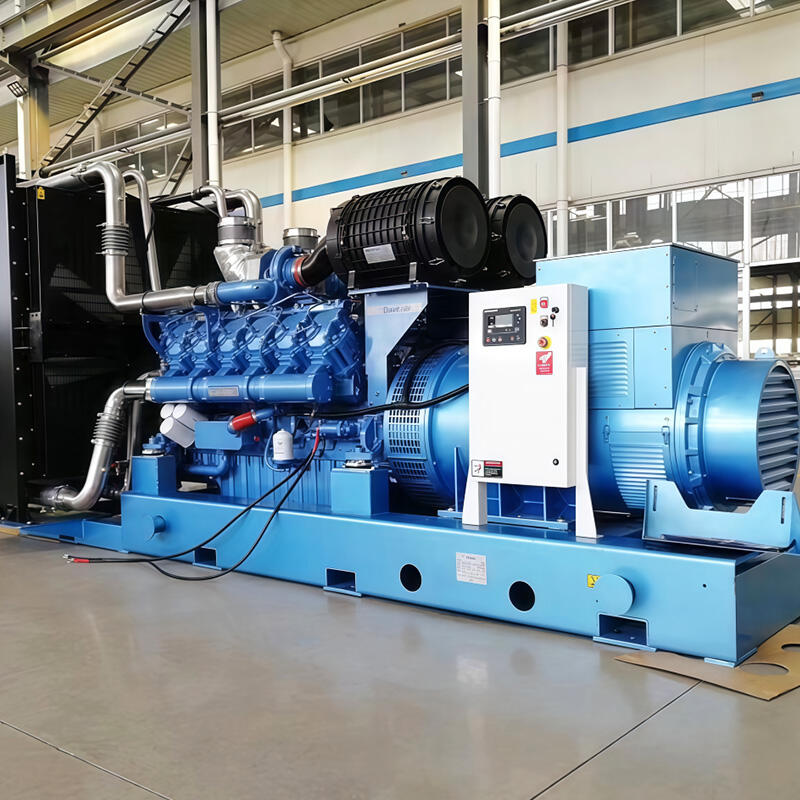
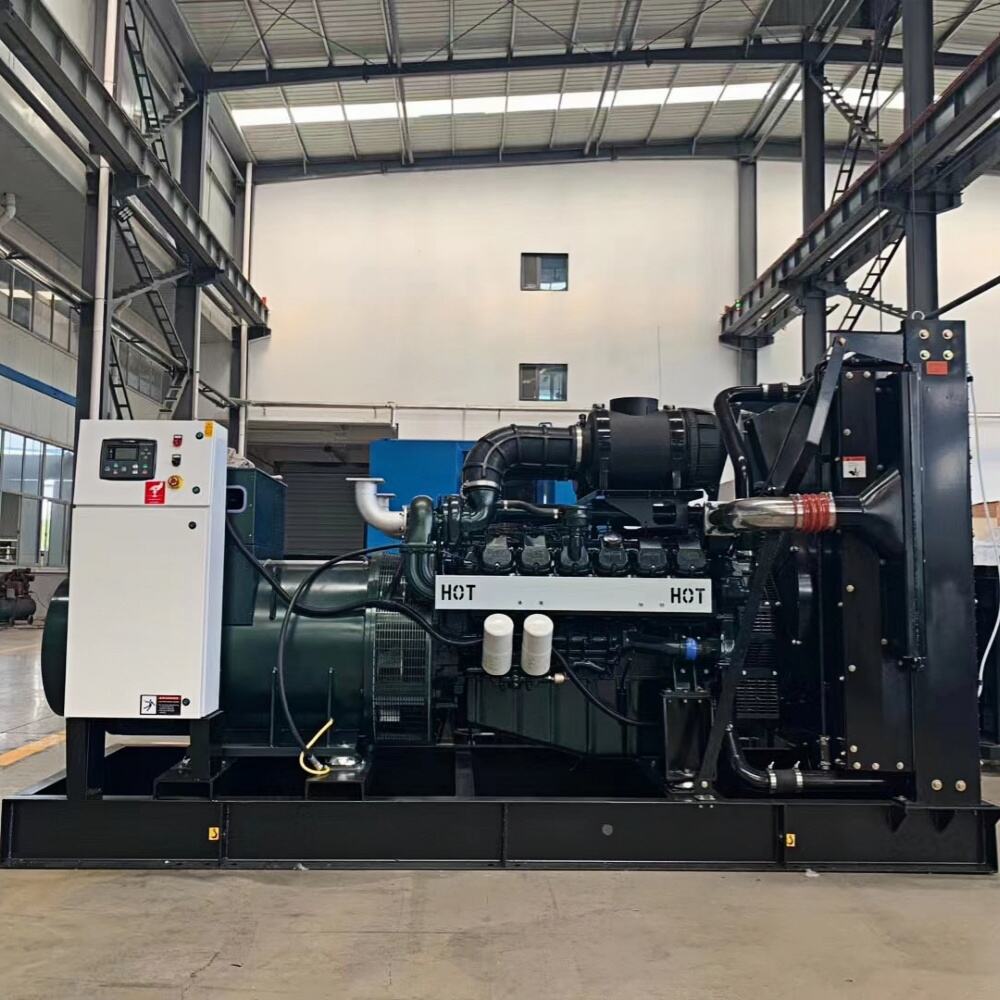
Most open frame diesel generators run around 92 to 98 decibels - way beyond the 65 to 75 dBA noise limit needed in Tier III and IV data centers. The loudness creates problems for facility managers who face potential fines from regulators while workers deal with increased hearing risks and general stress from constant noise exposure. Enclosed generator models are built according to ISO 13600 safety guidelines, featuring sound dampening boxes that keep things quiet inside. Open frames skip these enclosures entirely, so all the mechanical parts remain visible and the noise just spreads out everywhere without restriction.
Unprotected exposure to dust, humidity, and airborne contaminants
Open frame generators don't have any kind of particulate filter or environmental protection, so their important inner parts like windings, bearings and those electrical contacts get exposed directly to whatever is floating around in the air. When dust builds up inside these machines, it basically speeds up how fast things wear out mechanically. And when there's humidity present, that leads to oxidation problems plus increased contact resistance between components. A recent infrastructure report from 2023 found that in areas where PM2.5 levels are really high, these open units fail about 47 percent more often because of particles getting into them. This means mechanics have to check on them much more frequently than they would for sealed models, which naturally affects how reliable these generators remain over time, particularly near coasts or industrial zones where pollution tends to be worse.
Corrosion, wet stacking, and sensor failure in unenclosed operation
Control boards, sensors, and exhaust systems without proper environmental protection are at serious risk of corrosion from moisture, especially when they sit idle for extended periods as backup equipment. The problem gets worse with what's called wet stacking. This happens when unburned fuel mixes with carbon buildup in the exhaust because the engine isn't running hard enough. According to recent industry data from 2024, this issue appears about three times more frequently in open frame designs compared to sealed alternatives. When combined with the gradual loss of accuracy in load sensors caused by damp conditions, these problems together weaken the reliability of Tier IV systems. What starts as a small fault can quickly turn into bigger issues across the entire system, creating operational headaches down the line.
Failure to Meet Tier III and Tier IV Uptime and Power Quality Requirements
Voltage and frequency instability: ISO 8528-3 G3 deviations vs. Tier IV mandates
Most open frame diesel generators tend to show voltage swings over 10% and frequency changes above 3 Hz when loads shift suddenly, which puts these units right into the G3 category according to ISO 8528-3 standards. But Tier IV data centers require much tighter control, needing voltages stable within just 2% plus or minus and frequencies staying within half a hertz range to protect all those delicate computer systems. When generators can't maintain this kind of stability, it really messes things up during power grid switches, causing unexpected shutdowns that break through the industry standard of 99.995% availability time, allowing for only around 26 minutes of downtime per year at most.
Inadequate autonomy and >10-second switchover–breaking N+1 redundancy logic
Facilities rated Tier III or IV must switch power sources within just 10 seconds using Automatic Transfer Switches (ATS) to maintain their N+1 redundancy levels. The problem comes when looking at open frame units which generally take around 12 to 15 seconds for engines to stabilize before they can actually accept any load. This creates a real issue because it leaves servers no choice but to run off backup batteries until the main power kicks back in. What happens here is pretty serious though. It breaks the NFPA 110 Level 1 rules about emergency systems needing to respond within 60 seconds from start to load acceptance. Worse still, this situation completely undermines what's called concurrent maintenance protocols. Basically, it means there's now a risk of single point failures happening even during normal daily operations instead of being protected against them.
Operational Inefficiency: Load Cycling, Wet Stacking, and Maintenance Burden
Chronic partial-load operation and wet stacking in typical data center duty cycles
Most data centers run their backup generators at around 30% capacity or lower, which sits well below the ideal 40 to 70% range needed for proper diesel engine performance. When generators stay underloaded like this, they don't burn fuel completely, leading to what's called wet stacking. This happens when thick carbon deposits and leftover fuel build up on exhaust parts and turbochargers over time. These gunk problems eat away at equipment, mess with sensor readings, and make maintenance visits come more often too, maybe even 25 to 40% more than normal. If nothing gets done about it, wet stacking actually makes fuel usage jump by about 15%, while also causing inconsistent power output. That kind of unreliability really hurts both the bottom line and the peace of mind that comes from knowing backup power will work when it matters most.
Regulatory Noncompliance: EPA Tier 4 Final and Local Emissions Restrictions
Most open frame diesel generators just don't cut it when it comes to meeting those strict EPA Tier 4 Final emissions standards. These regulations demand cutting down nitrogen oxides (NOx), particulate matter (PM), and hydrocarbons by about 90% compared to older models. To comply, generators need fancy after treatment systems like SCR technology and diesel particulate filters. But here's the problem: open frame designs simply can't handle these components properly because they get clogged with dust and corrode over time from being exposed to the elements. Some places still allow emergency use exemptions under older Tier 2 or Tier 3 rules, but many data centers run their backup power far beyond the 100 hour per year limit set for regular maintenance checks alone. States such as California take things even further with their own super tight rules from CARB, making life really tough for facilities relying on open frame units since they struggle with both controlling emissions and lasting long enough. The consequences of breaking these rules are serious business too - companies face steep daily fines and forced shutdowns, which goes completely against what most organizations claim about wanting greener operations anyway.
Compliance Requirements by Tier Level
| Tier Standard | Key Emission Reductions | Typical Applications |
|---|---|---|
| Tier 2/3 | Moderate NOx/PM controls | Emergency backup (<100 hr/year) |
| Tier 4 Final | 90% NOx/PM reduction | Prime power, high-usage facilities |
| CARB Standards | Exceeds federal requirements | California-based operations |
This tightening regulatory landscape increasingly favors enclosed, emissions-certified generator solutions–aligning environmental compliance, operational resilience, and long-term TCO in mission-critical infrastructure.
FAQ
What are the main risks associated with open-frame diesel generators?
Open-frame diesel generators pose multiple risks including excessive noise, exposure to dust and humidity, corrosion, sensor failures, and regulatory noncompliance. These factors can lead to increased maintenance, reduced reliability, and legal issues.
Why do open-frame generators struggle with emissions compliance?
Open-frame generators struggle with emissions compliance due to their design, which lacks protection against dust and corrosion. This makes them unsuitable for integrating necessary emissions control systems like SCR technology and diesel particulate filters.
What impact do open-frame generators have on Tier III and IV data centers?
Open-frame generators impact Tier III and IV data centers negatively by failing to meet noise, power quality, and uptime requirements. They cause voltage and frequency instability and slow power source switchover times, which undermines redundancy logic.
How does wet stacking affect generator performance?
Wet stacking occurs in underloaded generators, leading to carbon deposits and incomplete fuel combustion. This results in increased fuel consumption, inconsistent power output, and more frequent maintenance needs.
Are open-frame generators viable in environmentally regulated areas?
Open-frame generators are not suitable for environmentally regulated areas due to their difficulty in meeting emissions standards and lack of environmental protection. Facilities risk facing regulatory fines and operational shutdowns.
Table of Contents
- Acoustic, Environmental, and Reliability Risks of Open-Frame Diesel Generators
- Failure to Meet Tier III and Tier IV Uptime and Power Quality Requirements
- Operational Inefficiency: Load Cycling, Wet Stacking, and Maintenance Burden
- Regulatory Noncompliance: EPA Tier 4 Final and Local Emissions Restrictions