EN
EN



Critical Safety and Operational Continuity During Grid Failure
Maintaining safety-critical systems (e.g., cooling, control, ventilation)
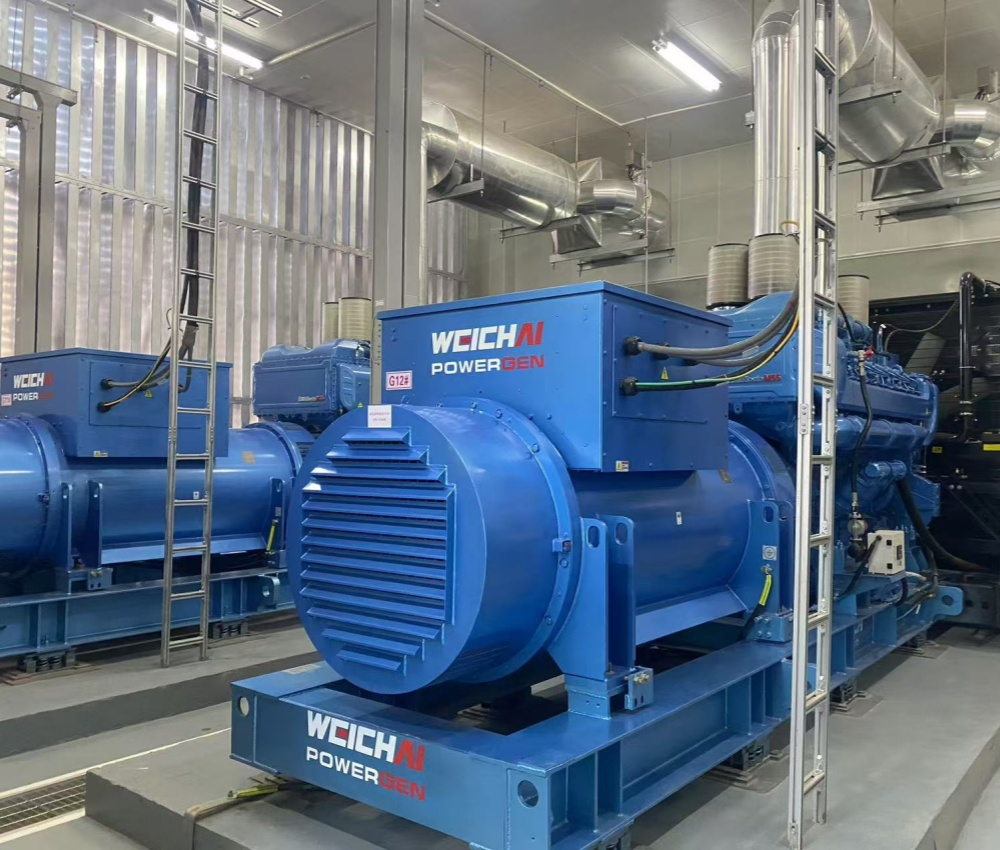
Industrial diesel generators kick in right away whenever the main power grid goes down, keeping vital safety systems running so we avoid total disaster situations. For nuclear and thermal power facilities specifically, continuous electricity matters a lot for those reactor cooling pumps. If cooling stops for just an hour, things get really bad fast – core temps could hit over 1200 degrees Celsius based on what the International Atomic Energy Agency reported in their 2023 analysis. Backup power isn't just needed for the control rooms either. Those instruments plus the ventilation systems that keep air quality safe all rely on this emergency power too. Chemical manufacturing sites face serious problems without good generator support since failed scrubbers might let dangerous gases escape into the environment. Getting from regular power to generator power needs to happen smoothly so these safety features stay online during those first few minutes after an outage, which tends to be when people aren't around to fix things manually anyway.
Preventing catastrophic cascading failures in thermal and nuclear plants
Diesel generators that have backup units serve as our best bet when trying to stop big infrastructure problems from getting worse. Take the massive power outage back in 2003 that left around 55 million folks without electricity. That incident really showed everyone just how quickly one small problem can spread throughout connected power networks. These days most important buildings install what's called an N+1 setup for their generators. Basically, this means having extra capacity so if something goes wrong, there's always another unit ready to take over. For nuclear power stations, this kind of redundancy keeps cooling systems running properly even during emergencies, which stops dangerous radiation leaks. Thermal power plants benefit too since they avoid expensive turbine damage caused by unexpected pressure changes. When power issues start happening, these backup generators act like shock absorbers, keeping problems contained within specific areas rather than letting them blow up into full scale disasters. Most modern building codes now require this sort of multi-layered protection approach after seeing what happens when we don't plan ahead properly.
Unmatched Reliability and Rapid Response of Industrial Diesel Generators
Industrial diesel generators deliver mission-critical resilience in environments where power interruptions can lead to severe consequences. Their reliability stems from two core strengths: rapid, predictable response under stress and proven durability in extreme conditions.
Sub-10-second startup and load acceptance under ISO 8528 standards
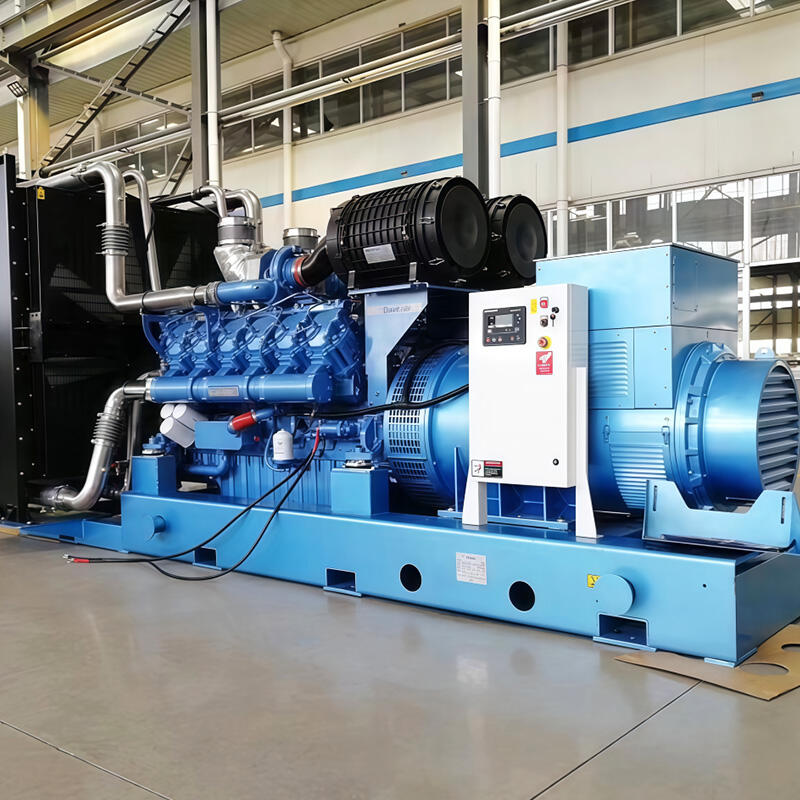
When the main power grid goes down, industrial diesel generators kick in within just 10 seconds flat. These machines typically meet or even beat those ISO 8528 standards for performance, keeping important systems running without missing a beat. With an Automatic Transfer Switch (ATS) connected to them, these generators switch loads automatically so critical operations stay powered up during outages. Think about things like reactor cooling systems and emergency air circulation fans that need constant electricity. The speed at which these generators respond matters a lot in nuclear plants specifically. If backup power takes too long to arrive, it might actually activate what's called a scram protocol, forcing the reactor to shut itself down as a safety measure until everything gets back online properly.
Proven durability in harsh environments and infrequent-but-critical operation
Built to handle tough conditions, these power generators work well whether they're sitting on salty beaches, blowing sand deserts, or freezing Arctic locations down to -40 degrees Celsius. The manufacturers use special alloys that resist rust plus coatings that keep water away, so the parts inside stay functional even if they sit unused for years. Take one real world case: a refinery saved around seven hundred forty thousand dollars every single minute because their backup diesel generators kicked in at full capacity during a big Category 3 storm, despite not running for over two years straight. What makes them so dependable? Simply put, their solid construction means less need for regular upkeep, which is exactly what industries want when emergency power becomes absolutely critical.
Regulatory Mandates and Compliance Drivers for Industrial Diesel Generator Deployment
Diesel generators play a key role in keeping emergency power running for essential infrastructure, something that's tightly controlled by various regulations meant to keep operations safe and dependable. Groups like the NRC, NFPA, and IEEE have set down rules including standards such as NFPA 850 and IEEE 602 that facilities must follow. What these standards actually mean is that places need backup power sources strong enough to handle critical functions when the main grid fails. We're talking about things like life safety systems, those important fire pumps, and even reactor cooling in nuclear plants. The regulations make sure these systems stay online no matter what happens with regular electricity supply.
NRC, NFPA 850, and IEEE 602 requirements for emergency power systems
Regulations set strict rules about how generators should be designed, things like earthquake proof enclosures, protection against flooding, and enough fuel stored to keep running when needed. For nuclear plants, the Nuclear Regulatory Commission wants two separate generators that don't share any common components. Meanwhile, the National Fire Protection Association's standard 850 demands fuel systems that resist fires and includes requirements for remote monitoring capabilities. There's also IEEE Standard 602 which gets into details about testing equipment for harsh environments where corrosion happens or temperatures get really extreme. All these different regulations work together so that when the power grid goes down, backup generators kick in almost instantly. This quick response time is absolutely essential for keeping important infrastructure operational and making sure people stay safe during emergencies.
How compliance shapes design, testing frequency, and redundancy architecture
Regulatory oversight directly informs engineering and operational practices:
- Design: Standards drive the use of corrosion-resistant materials, seismic bracing, and EPA Tier 4 emission-compliant engines
- Testing: Monthly load bank tests and annual 24-hour full-load endurance runs verify readiness
- Redundancy: High-risk facilities must adopt N+1 redundancy–ensuring a backup for every active generator
Non-compliance can result in operational shutdowns and significant penalties, making certified testing and documentation essential for licensing. By adhering to these evolving standards, industrial diesel generators are transformed from simple backups into compliance-validated lifelines.
Enabling Grid Resilience: Black Start Capability and Energy Independence
Diesel generators play a critical role when power grids go down across large areas because they have what's called black start capability. Basically, these machines can kick themselves into action without needing any outside electricity source. When everything goes dark, the generators fire up almost instantly, getting control centers and transmission lines back online so power can slowly spread throughout the system again. The numbers tell the story too - extended outages cost around $740k every single hour according to the Ponemon Institute report from last year. What makes diesel generators stand out compared to other options? They run off fuel stored right at the site, so even if delivery trucks can't get through during emergencies, they still work fine. Plus their simple mechanical design means they stay reliable even after sitting idle for months or years. Battery backups tend to lose effectiveness over time, something nobody wants during a crisis. That's why most utility companies keep relying on diesel generators for restarting the grid after major failures. These old faithfuls combine quick startup times with complete independence from external power sources, making them pretty much irreplaceable for keeping our electrical systems resilient against big disasters.
FAQ
Why are industrial diesel generators essential for grid resilience?
Industrial diesel generators provide reliable backup power during grid failures, ensuring safety-critical systems like cooling and ventilation remain operational. They help prevent cascading failures and maintain operational continuity in nuclear and thermal power plants.
How do diesel generators comply with regulations?
Diesel generators must adhere to standards set by the NRC, NFPA, and IEEE. These regulations require design features such as earthquake-proof enclosures and fire-resistant fuel systems, along with testing and redundancy protocols to ensure reliability during outages.
What is the black start capability of diesel generators?
Black start capability allows diesel generators to start without external power, critical for restoring the grid during large-scale outages. This ensures energy independence and quick recovery in emergencies.