EN
EN



Emergency and Standby Power: Ensuring Safety During Grid Failure
Critical safety functions powered by open diesel generators during reactor trips or blackouts
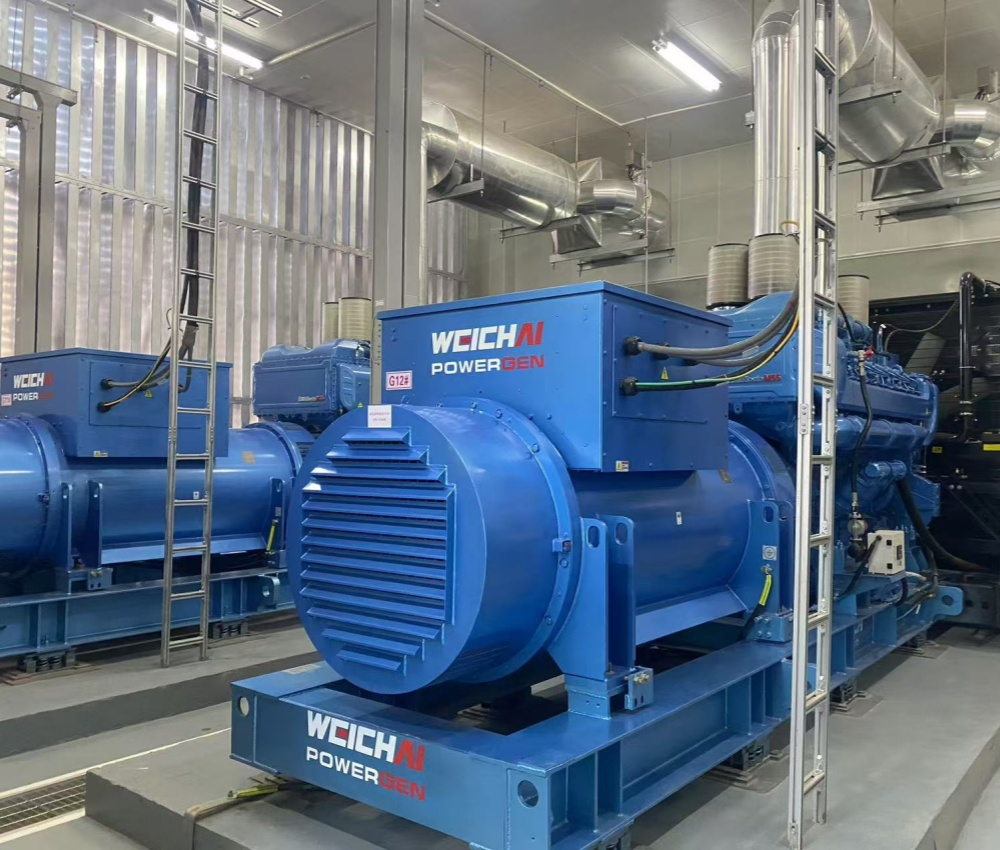
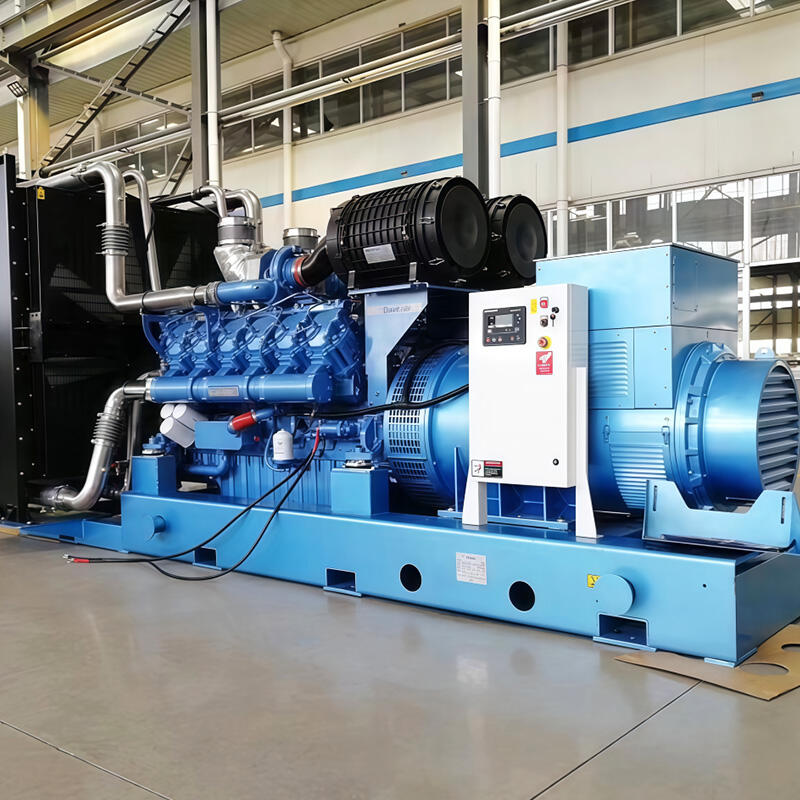
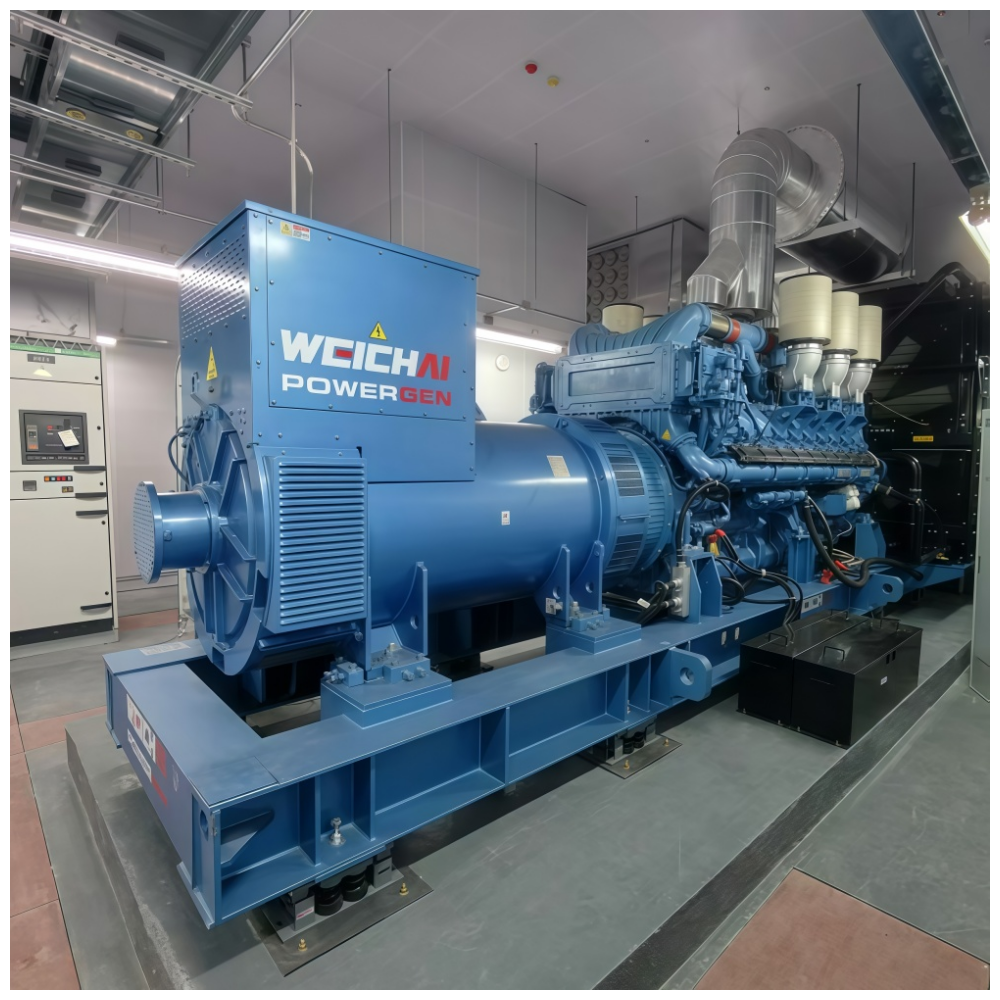
When primary power grids go down, open diesel generators kick in quickly to supply backup power for critical life safety systems. These generators are essential during situations like nuclear reactor trips or complete station blackouts where they can get power back to coolant pumps and containment ventilation systems within about 10 seconds. This rapid response helps prevent core damage and keeps those important safety margins intact. Beyond that basic function, these machines keep running things like emergency lights, instruments in the control rooms, radiation monitoring equipment throughout the facility, plus all the fire suppression systems too. Battery backups just don't cut it for long term needs since most only last between 4 to 8 hours at best. Diesel generators, however, can run continuously for over 72 hours using regular fuel stored right on site. This capability meets what the Nuclear Regulatory Commission requires for those rare but serious scenarios where cooling is lost for extended periods.
Meeting nuclear regulatory requirements: 10-second startup and NRC/IAEA compliance
For nuclear facilities, open diesel generators need to hit their maximum power output right away when there's a grid failure detected. We're talking about hitting that mark within just 10 seconds flat. The U.S. Nuclear Regulatory Commission has set this as an absolute requirement, and it lines up with safety standards from the International Atomic Energy Agency too (their document SSG-30 covers all this). Why does this matter so much? Because if the power goes out, those generators have to keep cooling systems running to manage radioactive decay heat and maintain the structural integrity of containment buildings during serious incidents. These units go through pretty intense testing for environmental factors. They get shaken around according to IEEE 693 standards to see how they hold up during earthquakes, and they also face flood simulations to make sure they can still work even after water damage. Meeting all these requirements isn't optional for anyone operating in this sector.
- Annual full-load testing at 100% capacity
- Dual-fuel capability (diesel/gasoline or diesel/biodiesel) for supply chain resilience
- Cybersecurity-hardened control interfaces compliant with NRC Regulatory Guide 5.71
Automatic Transfer Switches (ATS) enable sub-second load transfer with validated failure rates below 0.1%, ensuring seamless continuity for safety-critical loads.
Seamless Integration with Plant Infrastructure
Automatic transfer switches, load shedding coordination, and parallel operation with main units
Diesel generators connect to power plants via three main systems working together. The Automatic Transfer Switches, or ATS for short, spot problems with the main power grid within just 20 milliseconds or so and kick in backup power seamlessly. This matters a lot for keeping reactors cool during emergency shutdowns. When there's not enough generator power to go around, the system knows what to do first. Essential stuff like control room direct current systems and containment fans get priority, while everything else gets cut off automatically to keep voltages stable across the facility. Plants need this kind of smart management to handle unexpected situations without losing critical functions.
Running systems in parallel lets them work together with what's already there in the plant power setup, like main turbines or backup units. This helps manage loads when there are long outages or scheduled maintenance periods. Modern digital control systems keep things running smoothly by maintaining accurate voltage levels, matching frequencies, and aligning those tricky phase angles so nothing gets damaged from imbalances. What makes these systems stand out is their modular nature that doesn't lock users into specific protocols. This means plants can expand over time without major overhauls. Plus, they still meet all the necessary safety standards through standard communications protocols like Modbus TCP and DNP3, which keeps everything compliant with regulations from bodies like the NRC and IAEA.
Reliability Advantages of Open Diesel Generators in Harsh Environments
High energy density, low-load readiness, and seismic resilience for critical infrastructure
Diesel generators have become pretty reliable when things get tough, mainly because of three key factors that make them stand out. They store roughly 30% more usable energy per gallon compared to regular gas, which means longer run times between refuels during those long power cuts we all hate so much. These machines are also designed to handle low loads well, running smoothly even at around 30% of what they're capable of without getting bogged down by wet stacking issues that often lead to early breakdowns in backup systems. And let's not forget about their ability to withstand earthquakes thanks to strong frame structures, special rubber mounts, and detailed load path calculations. This meets the strict requirements set forth in IEEE 693 standards for areas prone to seismic activity. We've actually seen these generators perform exceptionally well at nuclear facilities located in earthquake zones throughout both Japan and California over the years.
Inherent safety (high flashpoint) and grid independence versus gas turbines or battery systems
The higher flashpoint of diesel fuel between around 50 to 100 degrees Celsius gives it a real safety edge compared to regular gasoline which ignites at way lower temps (-40ish Celsius) or compressed natural gas. This means there's just less chance of accidental fires when people are working with, storing, or trying to recover from incidents involving diesel. Gas turbines rely heavily on those pipelines that can get damaged easily, while batteries need constant access to electricity grids for recharging. Diesel generators work completely off the grid though because they store their own fuel right onsite. The fuel stays good for about a year or two without going bad, unlike those lithium ion or lead acid batteries that degrade over time. For places far away from main roads or areas prone to disasters where getting supplies might be tricky, this self sufficiency is what makes diesel generators stand out. They keep running day after day when other options simply give up.
Powering Mission-Critical Auxiliaries Across Plant Types
Diesel generators are pretty much essential for keeping things running when there's a power outage at most thermal and hydroelectric power plants. Coal plants need these generators to keep their conveyor belts moving and those big electrostatic precipitators working so they don't get fined for pollution or shut down completely. For nuclear reactors, backup power is absolutely critical. These generators run coolant pumps, cool the spent fuel pools, and monitor radiation levels for at least three days straight according to both the Nuclear Regulatory Commission and International Atomic Energy Agency guidelines from last year. At hydroelectric dams, they help control the massive gates that hold back water and track flood levels in real time. Natural gas facilities also depend on them to keep compressor stations operational, which prevents dangerous drops in pipeline pressure that could cause serious problems downstream. Basically, no matter what kind of power plant we're talking about, these backup systems make sure everything stays safe and functional during emergencies.
- Control room instrumentation and safety-grade DC systems
- Containment and turbine hall ventilation
- Emergency lighting and egress pathways
- Fire detection and suppression networks
The ability to work across different platforms comes down to several factors. First, there's the standardization of fuel logistics that makes these systems so versatile. Then we have the rugged construction designed to handle whatever Mother Nature throws at them. And let's not forget about their track record in really harsh environments. We're talking about operating reliably even when temperatures drop to minus 40 degrees Celsius in the Arctic or soar past 55 degrees Celsius in desert locations. These units can scale pretty dramatically too, going from just 500 kilowatts all the way up to over 10 megawatts. That flexibility means they fit almost any situation where power is needed urgently. Plus, they stick to all the important regulations and standards that matter most for safety and reliability, including those set by NRC, IAEA, NFPA 110, and ISO 8528 requirements.
FAQ Section
What is the primary function of diesel generators during a grid failure?
Diesel generators quickly supply backup power for critical safety systems, including coolant pumps and containment ventilation systems, preventing core damage and maintaining safety margins.
How quickly do open diesel generators need to start up in nuclear facilities?
Open diesel generators must reach their maximum power output within 10 seconds of a grid failure, complying with U.S. Nuclear Regulatory Commission and International Atomic Energy Agency requirements.
What are the reliability advantages of diesel generators in harsh environments?
Diesel generators offer high energy density, low-load readiness, seismic resilience, and operate independently from the grid, ensuring continuous operation during disasters.
Why is diesel fuel considered safer than gasoline in these applications?
Diesel's higher flashpoint reduces the risk of accidental fires compared to gasoline, making it a safer choice for emergency power in industrial applications.
How do diesel generators support different types of power plants during outages?
Diesel generators maintain essential operations like cooling pumps and monitoring systems, ensuring safety and functionality across various power plants during emergencies.